
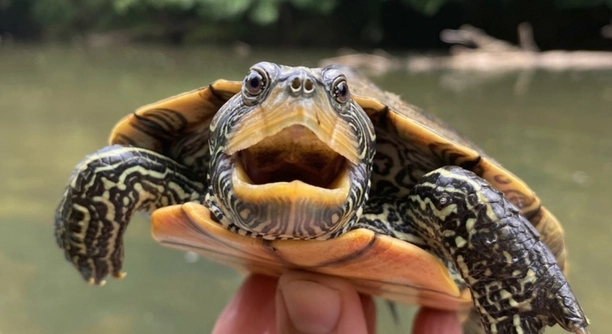
Female map turtles often dig for various reasons that are essential to their well-being. Understanding these behaviors can help you better care for your pet and provide the right environment for them to thrive.
Female map turtles dig primarily due to instincts related to nesting, habitat changes, or stress. In the wild, females dig to create nests, while in captivity, changes in their environment, temperature, or even diet can trigger this behavior.
This behavior is natural and can often be corrected with proper care. Understanding why they dig will help ensure their comfort and health in your home.
Understanding Nesting Instincts
Female map turtles have a strong instinct to dig, especially when they feel the urge to nest. In the wild, they dig to create a safe spot to lay their eggs. In captivity, if they feel the need for more space or the right environmental conditions, they may display this behavior. Turtles usually dig in the substrate or sand, searching for a place to deposit eggs. This natural instinct can occur even when they are not producing eggs, as their body may still recognize the environmental cues associated with nesting.
Although digging for nesting is common, it doesn’t always mean your turtle is preparing to lay eggs. It could simply be an instinctual action, reflecting a need for security. Providing an adequate environment with the right temperature and substrate can help control this digging. If your turtle’s digging becomes excessive, it’s essential to examine her habitat for potential changes.
Nesting-related digging can sometimes be challenging for pet owners. If you notice frequent or excessive digging, creating a suitable nesting environment might be necessary. Adding more sand or a designated nesting area might help. A comfortable, stress-free space that mimics natural conditions can prevent her from digging out of frustration or confusion.
Environmental Stress and Digging
Changes in your turtle’s environment could also cause digging. Stressors like sudden temperature shifts, loud noises, or overcrowding can trigger this behavior. Turtles, like other reptiles, are sensitive to changes around them, and an uncomfortable environment can lead them to dig excessively.
Creating a stable habitat with the right temperatures, humidity levels, and space is key to reducing stress. Turtles need both a warm basking area and a cooler, shaded area. Keeping their habitat quiet and undisturbed will help them feel secure, minimizing the likelihood of digging due to stress. If you notice other signs of distress, like lack of appetite or erratic behavior, it’s a good idea to check your turtle’s environment for any issues that might be affecting her.
Hormonal Changes and Digging
Hormonal fluctuations can also contribute to digging behavior in female map turtles. These changes are common during breeding seasons. Even if no mate is present, hormonal shifts can trigger nesting instincts, causing the turtle to dig as though she’s preparing to lay eggs.
Hormonal changes influence many reptile behaviors, including nesting. This can be more noticeable in female turtles when they reach sexual maturity. If no proper nesting site is available, they may dig excessively in an attempt to create one. Some turtles dig even if they’re not actively laying eggs, driven by hormonal cues.
If your female turtle is displaying unusual digging patterns without any visible eggs, it could be linked to hormone-driven behavior. You can reduce the likelihood of this behavior by offering a soft substrate or providing an area where she can dig safely. This helps her express these instincts without damaging her habitat.
Temperature and Substrate Concerns
The temperature of the enclosure and the type of substrate can influence digging behavior. Map turtles are sensitive to environmental conditions, and improper heating or a poor choice of substrate can cause them to dig more often.
A properly heated tank will allow your turtle to regulate her body temperature by moving between different areas of the tank. If the temperature is too cold or too hot, she may become stressed and begin digging. For the substrate, soft sand or a combination of dirt and sand can offer a comfortable place for her to dig, mimicking her natural environment. Using hard gravel or unsuitable materials might create frustration, leading to more digging.
Making sure the temperature in your turtle’s habitat is stable and comfortable will help reduce unnecessary digging. Keep the tank warm enough in the basking area, while providing a cooler zone for her to rest. Choosing the right substrate for your turtle is essential for her comfort and reducing stress-related digging behavior.
Overcrowding and Digging Behavior
Overcrowding can lead to increased stress, causing your female map turtle to dig. When there isn’t enough space to roam freely, she may dig in search of a more comfortable environment.
If multiple turtles are in the same enclosure, territorial disputes can also arise, leading to additional stress. A cramped space doesn’t allow your turtle to establish a comfortable routine, and digging becomes a way for her to cope with the discomfort.
Providing your turtle with enough space to move around and establish her territory can reduce this type of stress. If possible, consider a larger enclosure or separating turtles to prevent overcrowding, which will help minimize her need to dig.
Lack of Proper Hiding Spots
Without suitable hiding spots, your turtle may feel exposed and vulnerable, prompting her to dig. Turtles need safe spaces where they can retreat and relax. A lack of these areas can increase anxiety, making digging a coping mechanism.
Adding hides like submerged caves or a covered area in the enclosure can help your turtle feel more secure. Providing these spots will give her a place to rest without feeling constantly exposed, reducing the likelihood of digging. Creating a balanced environment with both open spaces and safe retreats is key for her comfort and well-being.
Inadequate Diet and Digging
An improper diet can sometimes cause excessive digging. If your female map turtle is not getting enough nutrients, she might dig to search for food. A lack of proper nutrition can lead to behavioral changes like this.
A balanced diet with proper vitamins and minerals will support her health and reduce the likelihood of digging due to hunger or malnourishment. Regularly offering a variety of foods, including leafy greens and protein sources, ensures she receives the right nutrients. Adjusting her diet may help alleviate unnecessary digging caused by nutritional deficiencies.
FAQ
Why is my female map turtle digging all the time?
Frequent digging is often a natural behavior in female map turtles. It could be due to nesting instincts, hormonal changes, environmental stress, or even overcrowding. If your turtle is digging excessively, it’s essential to review her environment to make sure she has enough space, proper temperature, and safe places to hide. Hormonal fluctuations, especially in mature females, can also trigger nesting behavior, even without eggs being laid. By providing a suitable substrate, proper habitat conditions, and minimizing stress, you can reduce the amount of digging.
Can I stop my turtle from digging?
While it’s hard to completely stop a turtle from digging, you can reduce it by addressing the root causes. Start by ensuring your turtle’s enclosure is spacious and free of overcrowding. Maintain the proper temperature range in the tank to avoid stress. Also, providing a soft substrate like sand or soil, which mimics her natural environment, will help her feel more comfortable and reduce unnecessary digging. You can also create a specific area for her to dig, which may satisfy the instinctual behavior without causing disruption to her habitat.
Is excessive digging a sign of illness?
Excessive digging is usually not a sign of illness, but it could indicate stress or environmental discomfort. If your turtle is digging in combination with other unusual behaviors, such as loss of appetite, lethargy, or abnormal shell appearance, it’s important to consult a vet. Illnesses or discomfort may cause changes in behavior, and a thorough checkup can rule out any health issues. In most cases, however, digging is simply a normal and instinctive behavior, especially in females during breeding seasons or when hormonal changes occur.
How can I create a good nesting environment for my female map turtle?
To support your female map turtle’s nesting instincts, provide a soft substrate like a mix of sand and soil. Ensure the enclosure has a designated area where she can dig and feel secure. If she’s not actively laying eggs, this space still allows her to express her natural behavior. The substrate should be deep enough for her to dig into, and it should be kept at the appropriate temperature, ideally around 80-85°F (27-29°C) for the nesting area. If your turtle is in a tank without a suitable nesting area, she may resort to digging elsewhere in her habitat.
Can map turtles dig out of their enclosures?
Yes, map turtles can sometimes dig their way out of enclosures, especially if the substrate is loose or if they feel stressed. To prevent this, ensure the walls of the tank are high enough and smooth, so she can’t climb over. Secure the enclosure with a lid or cover if necessary, particularly if you’re using a larger, more open tank. Make sure the substrate is not too deep or loose, as it can give her more leverage for digging.
How can I reduce stress-related digging?
Reducing stress-related digging requires creating a stable, secure environment for your turtle. Ensure that the temperature in the tank remains consistent, with a basking area of 85-90°F (29-32°C) and a cooler area around 75°F (24°C). Also, avoid overcrowding the tank, as too many turtles can cause stress. Provide hiding spots and plenty of space for her to move freely. A quiet, calm environment with minimal disturbances will help keep stress levels down, making it less likely that she will dig excessively.
Can diet affect my turtle’s digging behavior?
Yes, an improper diet can contribute to digging behavior, particularly if your turtle is seeking more food or minerals. Map turtles require a balanced diet that includes leafy greens, protein, and occasional fruits. Deficiencies in essential vitamins or minerals might cause behavior changes, including increased digging. Ensure that your turtle has access to a variety of foods that support her overall health. Proper nutrition will not only help reduce unnecessary digging but will also support her immune system, growth, and shell health.
How deep should the substrate be for a map turtle?
For a female map turtle, the substrate should be deep enough for her to dig comfortably, typically 4-6 inches (10-15 cm). This depth mimics the natural environment and allows the turtle to express her digging instincts. A deep substrate is especially important if your turtle is attempting to create a nest, as it provides space for her to bury eggs or simply satisfy her urge to dig. Avoid using gravel or sharp materials, as they can cause injury. Opt for sand or a soil-sand mix to give her a safe, soft surface to dig into.
Can I prevent my turtle from digging in the water?
Map turtles usually dig in the land portion of their enclosure, not in the water. However, if she’s digging in the water, it could be a sign that her habitat is not balanced. Ensure that the water level is appropriate, with enough land for basking and resting. If she’s digging in the water, it could also be a sign of stress or discomfort. Check the water temperature, water quality, and make sure there’s a suitable basking spot available. Providing a comfortable dry area will discourage her from digging in the water.
What can I do if my turtle’s digging seems excessive?
If your turtle’s digging seems excessive, you should first assess the enclosure to make sure all her needs are being met. Check the substrate, temperature, and space to ensure she’s not stressed or uncomfortable. If you’ve ruled out environmental issues, the digging could be related to hormonal behavior, especially if your female turtle is mature. Offering a designated digging area might help satisfy her natural instincts without disrupting the rest of the tank. If excessive digging continues, consult with a reptile vet to rule out any underlying health problems.
Final Thoughts
Understanding why your female map turtle digs can help you create a better environment for her. Digging is often a natural behavior, driven by nesting instincts, hormonal changes, or stress. By recognizing the causes behind her digging, you can adjust her habitat to make her feel more comfortable. Whether it’s providing the right temperature, substrate, or space, these simple changes can reduce unnecessary digging and make her feel secure. A calm and well-organized environment plays a big role in minimizing stress, which is one of the main triggers for digging.
Hormonal changes, especially in female map turtles, can also be a major factor. These turtles have strong nesting instincts, which may lead them to dig even without the intention of laying eggs. If you notice that your turtle is digging during specific times of the year, it’s likely related to her natural cycle. It’s important to offer a space where she can express these behaviors without causing harm. For example, a soft and deep substrate in her tank can help fulfill her instinctual need to dig. Though you can’t stop this behavior completely, providing a suitable environment can help manage it.
If your turtle’s digging becomes excessive and doesn’t seem to be related to natural instincts, you may need to review other aspects of her care. Stress from overcrowding, lack of hiding spaces, or a poor diet can lead to unwanted behavior. Ensuring she has enough room to roam, hiding spots to feel safe, and a balanced diet will go a long way in addressing digging that is caused by discomfort or stress. By paying attention to her environment and needs, you can help your turtle feel secure and reduce unnecessary digging.

Hello,
If you enjoy the content that we create, please consider saying a "Thank You!" by leaving a tip.
Every little bit helps us continue crafting quality advice that supports the health, happiness, and well-being of pets around the world, for pets of all shapes, sizes, and species.
We really appreciate the kindness and support that you show us!