
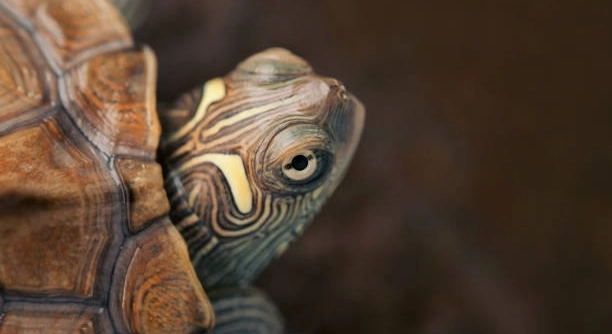
Some map turtles have been known to develop albino traits, which often raises curiosity about why this occurs. In this article, we will explore the factors that contribute to these rare genetic traits and how they manifest in turtles.
The development of albino traits in map turtles is largely attributed to genetic mutations, particularly in the genes responsible for pigment production. These mutations lead to a lack of melanin, resulting in the turtle’s pale or white coloration.
By understanding these genetic processes, we can gain a better insight into how albino traits occur. Keep reading to learn more about the science behind these fascinating variations.
Genetic Factors Behind Albino Traits
When map turtles develop albino traits, it typically comes down to a genetic mutation. These turtles lack the normal pigment-producing cells, specifically melanocytes, which are responsible for the darker coloration. Instead of the usual greens, browns, or blacks, albino turtles appear almost translucent with a pale, whitish appearance.
Albino traits are often a result of recessive genes, which means both parents must carry the gene for these traits to appear. This genetic variation can sometimes happen randomly, but it’s more common in certain turtle populations.
Even though albino map turtles are rare, their existence helps scientists understand how genes control pigmentation in animals. Albino turtles may also face challenges, like increased sensitivity to light or a higher likelihood of health issues, because they lack the natural pigmentation that protects against sun exposure. These concerns make them fascinating to study. However, many breeders and hobbyists still find them unique, which adds to their appeal. Understanding the genetics behind their development can also be crucial for conservation and breeding programs.
Environmental Impact on Albino Turtles
Environmental factors can also affect how albino traits are expressed in map turtles. In certain cases, even if a turtle carries the genetic mutation, its environment may influence whether the traits become visible.
When albino turtles live in certain conditions, such as areas with higher temperatures or certain light exposures, these environmental factors can influence how their pigmentation develops. The impact of their habitat, along with the genetic makeup, can lead to variations in color and appearance. This makes studying these turtles even more interesting for researchers.
Inbreeding and Albino Traits
Inbreeding can increase the chances of albino traits appearing in map turtles. When turtles are bred too closely, there’s a higher risk of recessive genes being passed down. This can result in unexpected genetic variations, such as albinism.
While inbreeding helps keep certain traits within a population, it also increases the likelihood of rare mutations like albinism becoming more prominent. Over time, these mutations can spread more easily, especially in smaller, isolated populations. This is a concern for conservationists who worry about the genetic health of turtle populations.
Inbreeding, though sometimes necessary for maintaining specific traits, can lead to issues like reduced genetic diversity. This makes the species more susceptible to diseases and environmental changes. Albino map turtles are a direct example of how inbreeding can inadvertently create more noticeable genetic traits. Without careful breeding practices, the long-term survival of these unique turtles can become a concern, as they may lose some of the natural advantages they once had.
Health Considerations for Albino Map Turtles
Albino map turtles are more vulnerable to certain health issues compared to their pigmented counterparts. Their lack of melanin makes them more sensitive to sunlight, which can cause sunburns or even damage their skin over time.
Without sufficient pigment, these turtles often have weaker immune systems, making them more susceptible to infections and illnesses. They might also experience difficulties with vision or other sensory functions due to the lack of protective coloration. While albino map turtles can still lead a healthy life, they often require special care to ensure they are not overexposed to harmful environmental factors, such as excessive UV rays or high temperatures.
Their delicate nature means that owners and breeders need to pay closer attention to their living conditions. Providing proper shelter, access to UVB lighting, and controlling their exposure to sunlight are key steps in ensuring the health of these rare turtles.
Breeding Practices and Albino Traits
Certain breeding practices can encourage the development of albino traits in map turtles. Breeders sometimes intentionally select for rare genetic variations, including albinism, which can lead to more turtles showing these traits.
However, breeding for specific traits comes with risks. While albinism may be desirable for some, it can inadvertently introduce other health problems. It’s important for breeders to maintain balance and ensure the overall well-being of the turtle population.
Albino Turtles in the Wild
In the wild, albino map turtles are extremely rare. Their lack of camouflage makes them more vulnerable to predators. This is why the trait is often considered a disadvantage in natural habitats.
Albino turtles, if they do survive in the wild, often face harsh conditions due to their inability to blend into their surroundings. Their health can also be compromised by exposure to extreme environmental factors, such as sunlight or temperature changes.
Conservation Efforts for Albino Map Turtles
Conservation efforts for albino map turtles often focus on protecting them from the dangers of the wild. Ensuring their habitat is safe and secure is a key part of any strategy to maintain their population.
FAQ
Why are albino map turtles so rare?
Albino map turtles are rare due to the genetic mutation responsible for their coloration. This mutation affects the production of melanin, which gives turtles their typical pigmentation. Since the gene responsible for albinism is recessive, both parents must carry the gene for it to show up in offspring. This makes it less common in natural populations, as both parents need to pass on the mutation.
Can albino map turtles survive in the wild?
Albino map turtles face significant challenges in the wild. Their lack of pigment makes them more visible to predators, which lowers their chances of survival. Furthermore, their sensitivity to light and heat due to the lack of melanin can harm them in natural environments. As a result, albino map turtles are much more likely to survive in controlled environments like aquariums or breeding facilities where their exposure to the sun and predators can be controlled.
Are albino map turtles more prone to health issues?
Yes, albino map turtles are generally more vulnerable to health problems compared to their pigmented counterparts. Their lack of melanin leaves them more susceptible to sunburn and skin damage from UV rays. Additionally, albino turtles often have weaker immune systems, making them more prone to infections and illnesses. Their vision can also be compromised, which can affect their ability to navigate and find food.
How can I care for an albino map turtle?
Caring for an albino map turtle requires special attention to their health and environment. First, ensure that they have access to proper UVB lighting to help them absorb calcium and maintain healthy shells. Avoid direct sunlight exposure, as their lack of pigment makes them more prone to burns. Keep their environment clean and maintain proper water temperatures. Providing a balanced diet and avoiding stress are also important for their overall well-being. Regular vet check-ups can help detect any early signs of health problems.
What do albino map turtles eat?
Albino map turtles eat the same diet as their non-albino counterparts. They are omnivorous and enjoy a mix of aquatic plants, insects, and small fish. A balanced diet is crucial to ensure they receive all necessary nutrients. You can feed them commercial turtle pellets, supplemented with fresh vegetables, fruits, and protein-rich foods like worms and insects. It’s important to offer a variety of food options to keep them healthy and prevent nutritional deficiencies.
Can I breed albino map turtles?
Yes, you can breed albino map turtles, but it requires careful consideration. To produce albino offspring, both parents need to carry the recessive albino gene. Breeding for specific traits like albinism must be done thoughtfully to avoid inbreeding and maintain the genetic diversity of the population. Breeders should be mindful of the health of the turtles and ensure that their breeding practices are not leading to genetic defects or other health issues.
Do albino map turtles live as long as regular map turtles?
Albino map turtles can live as long as regular map turtles, provided they are given proper care. In ideal conditions, a map turtle can live anywhere from 20 to 40 years. However, their sensitivity to environmental factors like sunlight and temperature can shorten their lifespan if they are not cared for properly. Ensuring that albino turtles are housed in a safe and controlled environment will help them reach their full lifespan potential.
Can albino map turtles be kept with other turtles?
Albino map turtles can be kept with other turtles, but it’s important to monitor their interactions. Albino turtles are often more vulnerable due to their lack of camouflage and weaker immune systems. Keeping them with more aggressive or larger turtles can lead to stress, bullying, or injury. It’s best to house albino map turtles with other turtles that have similar needs and temperaments to avoid potential conflicts and ensure their safety.
How can I tell if a map turtle is albino?
Albino map turtles are easy to identify due to their pale, whitish coloration. Unlike regular map turtles, they lack the typical dark markings and vibrant colors. Their skin, shells, and eyes often appear pinkish or light-colored. If a map turtle has a normal dark shell with distinctive markings, it is not albino. However, some albino turtles may have a faint pattern, but they will still appear much lighter than typical map turtles.
Are albino map turtles more expensive?
Albino map turtles tend to be more expensive than regular map turtles because they are rare. Their unique genetic makeup makes them desirable to collectors and breeders, which drives up the price. Additionally, breeding albino map turtles can require more effort and attention to ensure the genetic mutation is passed down. As a result, their cost reflects both their rarity and the care required to breed and maintain healthy albino turtles.
Do albino map turtles have different behavior?
Albino map turtles do not typically exhibit different behaviors from their non-albino counterparts. Their behavior is mainly influenced by their environment and experiences rather than their pigmentation. However, some owners report that albino map turtles may be more cautious or less active due to their sensitivity to light and environmental stressors. Overall, their behavior should be similar to other map turtles as long as their specific care needs are met.
Final Thoughts
Albino map turtles are unique creatures, with their rare coloration making them stand out in the turtle world. While their albino traits are fascinating, they come with challenges that require extra care and attention. These turtles are more vulnerable to environmental factors such as sunlight and extreme temperatures, which can negatively affect their health. Owners need to be aware of these issues to provide the best care for them, ensuring they remain healthy and happy.
Breeding albino map turtles is a delicate process that requires careful consideration. Because the trait is recessive, both parents need to carry the gene for it to appear in offspring. Inbreeding to increase the chances of these traits can lead to reduced genetic diversity, which poses long-term risks for the overall health of the turtle population. For those who are passionate about breeding these turtles, it is important to balance the desire for rare traits with the responsibility of maintaining the species’ health and genetic diversity.
While albino map turtles may be rare in the wild, they still hold a special place in the hearts of breeders and hobbyists. They are beautiful animals that require specific care, but they can thrive in controlled environments if their needs are met. It’s crucial for owners to understand the risks involved with these turtles and to ensure they are provided with the right conditions to live long, healthy lives. Whether for educational purposes or as pets, albino map turtles offer an opportunity to study a rare genetic trait and care for a special type of turtle.

Hello,
If you enjoy the content that we create, please consider saying a "Thank You!" by leaving a tip.
Every little bit helps us continue crafting quality advice that supports the health, happiness, and well-being of pets around the world, for pets of all shapes, sizes, and species.
We really appreciate the kindness and support that you show us!