
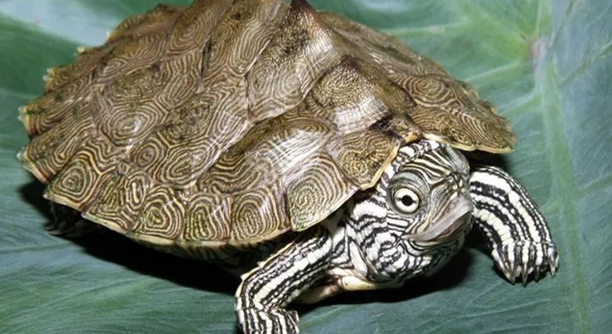
Map turtles are fascinating creatures with unique behaviors, and many owners notice their increased activity when the weather turns rainy. Understanding why this happens can help you care for your pet in a way that suits its natural instincts.
Rainy weather can stimulate map turtles, causing them to become more active. This behavior is linked to their instincts, as rain in the wild signals potential changes in their environment, such as increased food availability and a shift in temperature.
Exploring how this weather influences your map turtle’s behavior can help you better understand its needs. Knowing these triggers will allow you to provide a comfortable and enriching environment for your pet during rainy days.
Why Does Rain Cause More Activity in Map Turtles?
Rain has a noticeable effect on the activity of map turtles. When the weather turns rainy, these turtles often become more lively. This behavior is part of their natural instincts. In the wild, rain signals that the environment is changing, offering more opportunities for food and movement. The increase in rainfall can lead to changes in their habitat, such as the presence of more insects, fish, or aquatic plants, which map turtles naturally seek. Also, a drop in air pressure can cause some turtles to move around more, sensing shifts in their surroundings.
Rain creates a shift in the environment. Map turtles are naturally attuned to such changes, so they react accordingly. The rain and its effects on temperature and humidity tend to make them more active.
As your map turtle’s behavior adapts to the weather, it’s important to ensure that their environment remains suitable for these shifts. During rainy periods, it’s essential to provide proper water conditions, heat, and shelter, as the temperature changes and humidity levels can vary significantly. These changes in their behavior might also lead to changes in their feeding habits. With rain, the availability of food may increase, motivating your turtle to eat more. Being aware of these behaviors allows you to create a more comfortable, safe environment for your pet during rainy days.
How Rain Affects Their Habitat
Rain triggers a variety of changes in the environment that map turtles react to. These changes can impact their behavior in significant ways.
The most obvious change is the increase in water levels. Heavy rain can flood areas where turtles usually bask, forcing them to adapt and search for new resting spots. The water temperature may also fluctuate, which could affect the turtle’s behavior and its preference for basking or foraging. Additionally, the higher humidity levels during rainfall make the environment more favorable for turtles, as they naturally thrive in more humid conditions. This can encourage your map turtle to be more active, exploring its surroundings or adjusting its basking routine.
Turtles are also more likely to interact with other animals during rainy weather. These interactions can result in different feeding behaviors. In the wild, turtles may take advantage of food sources that become more accessible during rainfall. In captivity, their increased activity during rain might lead them to be more eager to find food or explore their environment. Recognizing these changes in behavior helps in providing a more stimulating habitat, especially during wetter conditions. Ensuring there are appropriate hiding spots, food sources, and basking areas will keep your turtle happy and healthy despite the rain.
Impact of Weather on Map Turtle Behavior
Map turtles tend to become more active when it rains due to changes in their environment. The rain brings shifts in temperature, humidity, and food availability, all of which can affect their behavior. Understanding these changes helps in adapting their habitat.
In the wild, rain may bring new food sources, such as insects, fish, or plants. Turtles become more alert and active, foraging for anything that has become more accessible. These instincts are strong in pet turtles, who respond to similar conditions, even in a tank. It’s essential to monitor food availability and adjust feeding schedules to suit their natural behavior during this time.
Along with feeding, map turtles’ movement patterns change in the rain. They tend to explore more, adjusting their usual basking spots and becoming more curious about their environment. In a tank, this means they might swim more or search for areas where they can hide and feel secure. Ensuring they have a variety of spots to explore during rainy weather keeps them mentally stimulated and healthy.
Temperature and Humidity Effects
Changes in temperature and humidity are key factors in a map turtle’s increased activity during rain. Rain can lower temperatures or raise humidity levels, both of which influence a turtle’s movements.
Map turtles are more comfortable in humid conditions, and rain naturally boosts this environmental factor. Higher humidity allows them to breathe easier and stay hydrated. These changes make them more active and willing to explore or feed. It’s important to replicate such conditions in captivity, ensuring the humidity levels are properly maintained during rainy weather for their well-being. A slight drop in temperature during rain can also encourage more movement, as they seek more comfortable conditions.
Map turtles also rely on stable water temperatures, which rain can disrupt. Rain can cool down their basking areas or water, but they typically respond by seeking areas with optimal temperatures. Providing a water heater or a basking lamp with adjustable temperatures can help accommodate these shifts. This ensures that your turtle remains comfortable, even if the rain causes some fluctuations. Regular monitoring of water and air temperatures is key to making sure your map turtle stays healthy and active during wet weather.
Feeding Habits During Rain
Rain often makes map turtles more focused on food. The increased humidity and moisture in the environment stimulate their instincts to forage. In the wild, rain brings new food sources, so your turtle might feel more active in seeking out food in its habitat.
In captivity, you might notice your map turtle becoming more interested in its food when it rains. They might eat more or seem more enthusiastic during feeding time. This increased appetite is a natural response to changes in their environment. You can help by offering a variety of foods during rainy weather to keep them satisfied and healthy.
Behavior in Captivity
Map turtles’ behavior in captivity mirrors some aspects of their wild counterparts. They respond to changes in weather, especially when it rains. To keep them active and comfortable, their tank setup should accommodate these instincts.
Providing a stimulating environment is key. During rainy weather, give your map turtle extra hiding places, basking spots, and food. These additions will help keep them engaged and reduce stress. You can also experiment with changing the water levels or adding new elements to their environment. Keeping their space dynamic during rainy weather encourages natural behavior and contributes to their overall well-being.
Rain and Water Quality
Rain may affect water quality in a map turtle’s habitat. The introduction of excess water can introduce contaminants or changes in pH levels. Keeping the water clean is essential, especially after a rainstorm.
To maintain optimal water conditions, regular water changes and proper filtration are crucial. Even small changes in water quality can stress a map turtle. By monitoring the water’s cleanliness and temperature, you can ensure that your turtle enjoys the benefits of rain without any negative impacts on its health.
FAQ
Why is my map turtle more active during rainy weather?
Map turtles become more active during rainy weather because rain brings changes to their environment that trigger natural behaviors. In the wild, rain can increase food availability and create favorable conditions for movement. These shifts in temperature and humidity motivate turtles to forage and explore more actively. Captive map turtles will often mimic this behavior, especially when their environment closely resembles the wet conditions they experience in the wild.
Can I feed my map turtle more during rainy weather?
Yes, you can feed your map turtle more during rainy weather. Their increased activity during this time often leads to a higher appetite. In the wild, turtles are more likely to find food when it rains, so it’s natural for them to seek out more food. In captivity, you should adjust the amount and frequency of feeding to match this increased hunger. Just be sure not to overfeed, as that can lead to health issues. Offering a balanced diet with a mix of protein and vegetables is key.
Does rain make map turtles eat more?
Rain can make map turtles eat more, primarily because it stimulates their foraging instincts. Increased activity leads to a higher caloric need, making them more interested in food. Rain also triggers a response in turtles to search for food sources, as they would in their natural environment. You may notice your turtle eagerly eating more during wet weather, and this is a completely normal behavior. Adjust their diet accordingly but avoid excessive portions, which can lead to unhealthy weight gain.
How do I keep my map turtle comfortable during rainy weather?
To keep your map turtle comfortable during rainy weather, focus on adjusting temperature and humidity levels in its enclosure. Ensure the water temperature is suitable and maintain proper humidity levels to mimic the effects of rain. You should also provide extra hiding spots, food, and areas to explore, which will allow your turtle to exhibit natural behaviors. Regularly monitor their environment, as fluctuating conditions could stress your turtle. Maintaining a clean tank is also essential, especially since rain can sometimes affect water quality.
Does rainy weather affect my map turtle’s health?
Rain itself doesn’t negatively affect your map turtle’s health, but the changes it brings can have an impact if their habitat isn’t properly adjusted. Fluctuations in temperature and humidity levels can stress the turtle if it doesn’t have access to areas where it can regulate its body temperature. Also, rain can change the water quality in their tank, leading to bacterial growth or pH imbalances. Ensuring proper water filtration and temperature control will help your turtle stay healthy during rainy conditions.
Can I adjust my map turtle’s environment during rainy weather?
Yes, adjusting your map turtle’s environment during rainy weather is a good idea. You can increase humidity and adjust water temperature to mimic the conditions found in nature. Adding more hiding spots or aquatic plants will also give them places to explore, keeping them active and content. Additionally, changing the water levels in their tank might encourage them to swim more, which is natural for them during rainy conditions. Be sure to keep their basking area warm and dry for when they need to regulate their body temperature.
What are some signs that rainy weather is affecting my map turtle’s behavior?
If rainy weather is affecting your map turtle’s behavior, you may notice an increase in swimming, exploration, or foraging. Turtles might spend more time in the water than usual or become more active in searching for food. They may also seem more curious or spend more time on the move. However, if the behavior shifts dramatically and your turtle seems stressed, it could be a sign that something in the environment is out of balance, like improper temperature or water quality.
How can I tell if my map turtle is stressed by the rain?
Stress can manifest in map turtles in a few ways, including loss of appetite, hiding excessively, or a lack of interest in normal activities. If your turtle isn’t eating or is spending a lot of time in one spot without moving, it could be a sign of stress. This stress could result from changes in temperature, water quality, or even being exposed to too many fluctuations in their environment. Pay close attention to these signs and make sure their habitat is properly set up to meet their needs during rainy weather.
Should I change my map turtle’s tank setup during rainy weather?
While you don’t need to completely change your map turtle’s tank setup, you can make minor adjustments to help them feel more comfortable. Consider adding extra water plants, rocks, or hiding places for them to explore. You can also make small changes to the water temperature and humidity levels to better match the rainy conditions. Ensuring proper water filtration is also essential during rainy weather, as this can affect water quality. It’s best to make gradual adjustments so your turtle has time to acclimate.
Do map turtles need extra light during rainy weather?
Map turtles don’t need extra light specifically for rainy weather, but they do require proper lighting and UVB exposure at all times. UVB light is crucial for their health, as it helps them synthesize vitamin D3, which is important for calcium absorption. If the rain leads to a decrease in natural light or cloudy conditions, ensure that your turtle’s enclosure still has adequate artificial lighting and UVB rays to support its health. Make sure the light is on for 10-12 hours a day to maintain a healthy routine.
Final Thoughts
Understanding why map turtles become more active during rainy weather can help you better care for them. When it rains, the changes in temperature, humidity, and food availability trigger natural behaviors in these turtles. They may become more alert, swim more, or seek out food. These changes mimic what happens in their natural environment, where rain often brings new food sources and different conditions. Being aware of this behavior is helpful for creating an environment that supports your turtle’s needs during rainy days.
To keep your map turtle comfortable and healthy during rain, it’s important to adjust their habitat slightly. Maintain proper temperature and humidity levels, as these factors can change when it rains. You may need to increase humidity or adjust the water temperature to match the conditions they’d experience in the wild. Providing plenty of food options and enrichment will also help keep your turtle active and engaged. Adding hiding spots, plants, or rocks to their enclosure can stimulate their natural curiosity and give them opportunities to explore. These small adjustments can make a big difference in your turtle’s well-being during rainy weather.
Overall, rainy weather offers an opportunity to observe your turtle’s natural behavior. While it’s not necessary to make drastic changes to their environment, keeping their needs in mind during these periods will help them stay happy and healthy. Monitoring water quality and ensuring proper care during wet weather is important to avoid potential stress. By understanding the reasons behind their increased activity, you can make sure your map turtle enjoys their time, whether it’s rainy or sunny outside.

Hello,
If you enjoy the content that we create, please consider saying a "Thank You!" by leaving a tip.
Every little bit helps us continue crafting quality advice that supports the health, happiness, and well-being of pets around the world, for pets of all shapes, sizes, and species.
We really appreciate the kindness and support that you show us!