
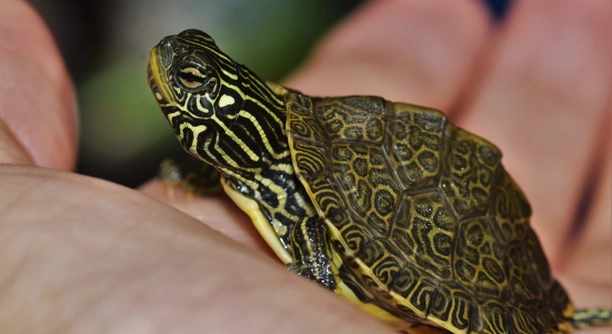
Map turtles, known for their unique patterns and calm nature, are often overlooked in the changing seasons. As fall approaches, environmental changes can significantly affect their behavior and well-being. Understanding these factors is crucial for their protection.
Environmental changes in fall, such as temperature drops, shorter daylight hours, and changes in food availability, can have significant effects on map turtles. These shifts influence their metabolism, behavior, and need for hibernation preparation, ultimately affecting their survival.
Understanding these shifts will provide insight into how map turtles adjust to fall and the impact these changes have on their daily lives.
Temperature Changes and Map Turtle Behavior
As fall arrives, temperatures start to drop, which can directly affect map turtles. These reptiles are cold-blooded, meaning they rely on external temperatures to regulate their body heat. Cooler air and water temperatures slow down their metabolism, causing them to become less active. They may spend more time resting on logs or basking in the sun to conserve energy. When temperatures fall too low, map turtles might begin preparing for hibernation, which involves seeking out deeper, warmer waters to stay safe until spring.
The colder months signal the start of hibernation for many map turtles. As the temperature decreases, these turtles begin to slow down, which means less movement and feeding. This behavior helps them conserve their energy during a time when food sources are scarcer.
The change in temperature is not just a sign of cooler weather; it also affects their activity levels. In colder temperatures, their movements are limited, and they may stop feeding altogether, which prepares them for the long winter. Adjusting to these changes is crucial for their survival during the colder months.
Light and Shorter Days
Fall brings with it shorter days, which means less sunlight for map turtles to bask in. As the days grow shorter, map turtles spend less time soaking up the sun, which is vital for regulating their body temperature. The reduced sunlight affects how they manage their warmth and energy throughout the day. Without enough exposure to sunlight, their activity levels decrease, leading to slower movements and less feeding.
Shorter days mean map turtles need to adjust their routines. As the sun sets earlier, they may retreat to deeper waters, where temperatures remain more stable. This shift in behavior is necessary for their survival, helping them stay safe as fall progresses. With less light, their need for consistent warmth becomes more crucial than ever.
Changes in Water Levels
During the fall, water levels in rivers and lakes can fluctuate due to rain and seasonal shifts. For map turtles, this can mean changes in habitat availability and water depth. If water levels rise or fall drastically, it could lead to habitat loss or make it harder for them to access basking spots or suitable hibernation areas.
These fluctuations can cause map turtles to move around more, searching for safer, more stable areas. Turtles might seek out shallow, protected zones where they feel secure. They can also move to deeper waters if the shallows become too risky. With less access to their usual habitats, map turtles might face challenges in finding food or maintaining their body temperature.
Changes in water levels also impact the quality of their environment. When waters rise, they might bring debris, which could disrupt basking areas. On the other hand, falling waters could expose them to predators more easily. These adjustments are necessary, but can also be stressful for the turtles, as they need to adapt to the new conditions quickly.
Food Availability and Diet Shifts
In fall, the availability of food for map turtles becomes limited as some prey species become less abundant. This forces turtles to adjust their diet and feeding habits. The reduction in food availability may cause them to focus on different food sources, possibly leading to slower growth and less energy intake as they prepare for hibernation.
As the weather cools, many insects and smaller aquatic creatures, which turtles typically rely on, begin to become less active. This might prompt map turtles to shift to other foods, such as aquatic plants, which are easier to find in colder months. Some map turtles may even start to eat more plant matter to sustain themselves, although their diet is typically more carnivorous in nature.
When food becomes scarce, map turtles must use more energy searching for the right food. This can be a challenge since they are trying to conserve energy and prepare for the colder months ahead. Less food means less energy for activity, so turtles may be more selective in their feeding, eating only what is essential.
Predators and Protection
As fall sets in, predators become more active. For map turtles, the changing environment means heightened risks. With fewer places to hide and cooler water temperatures, they might find it harder to stay out of sight from predators, such as birds of prey or larger fish.
The reduced basking time caused by colder temperatures makes map turtles more vulnerable. As they retreat to deeper waters or seek safer areas to hibernate, they must be extra cautious. The need for protection becomes more critical, and they may rely on secluded spots to remain out of sight and away from predators.
Hibernation Preparation
With cooler weather approaching, map turtles begin their hibernation preparation. This involves seeking out deeper, more stable water sources that won’t freeze over. They instinctively know that staying in shallow areas during winter could expose them to dangers like freezing temperatures or predators.
Turtles may begin to reduce their activity and feeding to conserve energy, which is important for surviving the winter months. They look for the perfect spot, typically at the bottom of ponds or lakes, where they can remain inactive and protected. This behavior is an essential survival tactic that allows them to make it through the colder months.
Shell Hardening and Protection
As fall progresses, map turtles may focus on hardening their shells in preparation for hibernation. Their shells act as natural protection from cold water and predators. The thicker the shell, the better their chances of surviving through the winter.
During this period, map turtles might spend more time basking in the sun to strengthen their shells. The additional exposure helps to fortify their protective outer layer, ensuring it remains resilient throughout the colder months. With a strong, healthy shell, they are better equipped to survive until the warmth of spring returns.
FAQ
Why do map turtles slow down in fall?
Map turtles slow down in fall due to the cooler temperatures and shorter daylight hours. Being cold-blooded, their body temperature depends on the surrounding environment, causing them to become less active as the weather cools. During fall, they start preparing for hibernation by reducing their feeding and movement. This slower pace helps them conserve energy, as food becomes scarcer and the environment less conducive to active behavior.
How do map turtles prepare for winter?
As winter approaches, map turtles prepare by seeking out deeper, more stable water. They typically choose areas that will not freeze, as ice can be dangerous. During this time, they stop eating and reduce their activity. The drop in temperature signals their body to go into a state of dormancy, also known as hibernation, where their metabolic processes slow down, conserving energy. They may stay in this state for several months until temperatures warm up in spring.
Do map turtles hibernate?
Yes, map turtles do hibernate, although the process may vary slightly depending on their habitat. In colder regions, they enter a state of hibernation when the water temperature drops significantly. During this time, their metabolic rate decreases, and they become inactive. They typically seek deeper waters or areas with stable temperatures to avoid freezing. Turtles in warmer regions may not hibernate as intensely but will still reduce their activity levels.
What do map turtles eat in fall?
As the weather cools, map turtles shift their diet. In fall, they eat a variety of foods, including aquatic plants, small invertebrates, and fish. However, due to reduced food availability, they may begin to rely more on plant matter to survive the colder months. They typically increase their food intake before hibernation to build up energy reserves for the winter. Despite their preference for protein-rich foods, map turtles adapt to whatever is available in their environment during the fall.
Can fall weather affect map turtle shells?
Yes, the fall weather can affect map turtle shells. Cooler temperatures and changes in humidity can cause their shells to become drier or harder. In preparation for hibernation, map turtles may spend more time basking in the sun to help maintain shell health. The exposure to sunlight aids in keeping the shell strong, providing better protection against cold water and predators during the hibernation period. A healthy shell is crucial for their survival through the winter months.
How do map turtles deal with predators in fall?
In fall, map turtles become more cautious of predators as their environment changes. With the colder weather, map turtles spend less time basking and seek safer areas to hide from predators. They may retreat to deeper water or areas with more vegetation to help conceal themselves. Predators such as birds of prey or larger fish become more active during this time, making it necessary for map turtles to be extra vigilant about their surroundings.
What happens to map turtles’ behavior in fall?
As fall progresses, map turtles show several changes in behavior. With the drop in temperature and daylight hours, they begin to slow down. They spend more time in sheltered areas, such as the deeper parts of lakes or ponds. Their feeding habits also change, as food sources become less available. During this time, they begin to focus on preparing for hibernation, which includes reducing their activity and seeking out the best places for winter survival.
Are map turtles affected by the fall rain?
Yes, fall rain can affect map turtles. Heavy rains can alter water levels in their habitat, leading them to adjust their behavior. Rising water levels can create new areas for map turtles to explore or cause them to move to different spots if their usual basking areas are submerged. On the other hand, if water levels drop significantly, map turtles may be forced to find deeper water for safety. Additionally, rain can influence food availability by affecting the movement of aquatic insects and plants.
What role does sunlight play for map turtles in fall?
Sunlight plays a significant role in the fall for map turtles. As temperatures drop, map turtles need sunlight to regulate their body temperature. In fall, they seek out sunny spots to bask in to maintain their warmth and energy. Sunlight also helps with shell health by providing vital exposure for stronger, healthier shells. Reduced sunlight in fall can limit their basking time, so map turtles become more selective about when and where to spend time in the sun.
How long do map turtles hibernate in fall and winter?
Map turtles typically hibernate for several months during the fall and winter, usually from late autumn until early spring. The length of their hibernation depends on the temperature of their environment. In colder regions, they may hibernate for up to 4-5 months. In warmer areas, their hibernation period may be shorter or less intense. During this time, they become inactive, relying on their stored energy to survive until the warmer weather returns.
Do map turtles need to eat before hibernating?
Yes, map turtles need to eat before hibernating. Before entering hibernation, they increase their food intake to build up energy reserves. This helps them survive through the winter when they do not feed. They typically consume more food during the fall, focusing on high-energy foods to prepare their bodies for the long period of inactivity. While they may not eat during hibernation, these energy reserves are crucial for sustaining them until the warmer months.
Final Thoughts
Understanding how environmental changes in fall impact map turtles is essential for their care and conservation. As the seasons shift, these turtles face several challenges, from lower temperatures and shorter days to the reduction of food sources. These changes affect their behavior, metabolism, and overall survival strategies. By recognizing these factors, we can better appreciate how map turtles adapt to the fall season and prepare for the harsh winter months ahead. It’s clear that these turtles have evolved specific ways to cope with the colder weather, relying on instinct and environmental cues to guide their actions.
Their need for warmth and stable environments becomes more apparent in fall, as they search for safe spots to hibernate. The cooler weather slows down their metabolism, causing them to rest more and reduce their feeding. This energy conservation is essential for surviving the long, inactive months. Additionally, they are more vulnerable to predators during this time, so finding safe, secluded areas to hide becomes critical. The changes in water levels, light, and food availability all play a role in the way map turtles adjust to their surroundings, affecting their daily routines.
Overall, while the fall season presents several challenges, map turtles are equipped to handle these changes. Their ability to adapt, find suitable places to hibernate, and conserve energy helps them survive through the winter. By paying attention to these natural shifts in behavior and environment, we can ensure their continued survival and support efforts to protect them. Whether you are a turtle enthusiast or simply someone interested in nature, understanding how these creatures manage the fall season can deepen your appreciation for their resilience and the delicate balance of their ecosystems.

Hello,
If you enjoy the content that we create, please consider saying a "Thank You!" by leaving a tip.
Every little bit helps us continue crafting quality advice that supports the health, happiness, and well-being of pets around the world, for pets of all shapes, sizes, and species.
We really appreciate the kindness and support that you show us!