
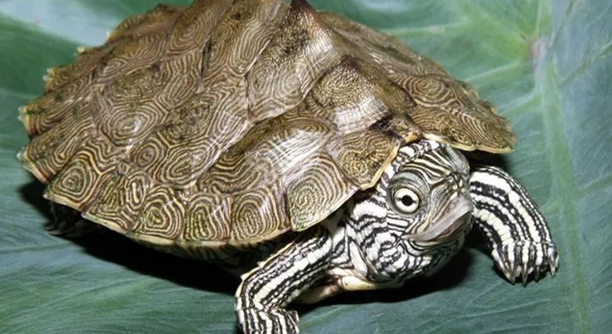
Map turtles are fascinating creatures that can display playful behavior when given the right environment and care. Encouraging this behavior can strengthen the bond between you and your turtle while providing mental and physical stimulation.
The best way to encourage playful behavior in map turtles is to offer them a variety of enrichment activities. This can include providing toys, hiding food, and ensuring their habitat has space for exploration. A well-stimulated turtle will engage more actively.
With a few adjustments, your map turtle can enjoy a more playful lifestyle. The following tips will guide you on how to create a fun and engaging environment for your turtle.
Creating a Stimulating Habitat for Your Map Turtle
Map turtles thrive in environments that encourage exploration. Start by providing a large tank with clean water and areas for both land and water activities. Include hiding spots like rocks, plants, and logs to mimic their natural habitat. The more elements they have to interact with, the more likely they are to explore and play. It’s important to also offer a variety of textures and surfaces that allow them to climb, swim, and bask.
The ideal temperature range for your map turtle is around 75-85°F, and UVB lighting is essential to keep them healthy. These factors contribute to a well-balanced environment that promotes active behavior. Without proper temperature or light, your turtle might become lethargic or stressed.
Adding decorations like floating platforms and ramps for climbing can also make the tank feel more like their natural home. Additionally, water filtration systems help maintain a clean environment, preventing the buildup of harmful bacteria and ensuring your turtle’s health. A well-maintained habitat will make your turtle feel secure and encourage playful behavior.
Using Toys and Other Enrichment Tools
Toys can be a great way to encourage play in map turtles. Simple objects like floating balls or soft rubber toys can grab their attention. These can be placed in the tank and left for the turtle to interact with.
Experimenting with different toys or objects like leaves or sticks in the water can keep your turtle engaged and entertained. These additions encourage natural hunting and playing behaviors, offering stimulation in their daily routine.
Hiding Food to Encourage Natural Behavior
Hiding food in your turtle’s habitat will motivate them to search and explore. You can place treats like leafy greens or worms in different spots to spark curiosity. This encourages both mental and physical activity, as map turtles love to forage.
Map turtles are opportunistic feeders, and hiding their food mimics the way they would naturally hunt in the wild. They may begin to associate exploration with rewards, making it more fun for them. Hiding food under rocks, in plants, or in other hard-to-reach areas challenges them, keeping them active.
When offering food, make sure to rotate the hiding spots to keep the experience fresh. Try to avoid placing food in one spot consistently, as this could make your turtle lose interest. Using natural food sources or edible plants is another way to further mimic their natural behavior and offer enrichment.
Regular Interaction and Socialization
Interacting with your map turtle regularly can help encourage playful behavior. Gently handling your turtle and spending time near its habitat will make it more comfortable with you. Over time, this builds trust and may encourage your turtle to engage in more playful actions.
Spending time watching your turtle interact with its environment also helps them become accustomed to your presence. Some turtles may respond to movements or even recognize their owner’s voice. When you interact with them consistently, they begin to feel more secure and might explore more freely. Always ensure that you are calm and gentle during interactions to avoid causing stress.
While socialization is important, it’s also necessary to give your turtle space. Too much handling or loud disturbances can make them anxious and deter playful behavior. Keep a balance to encourage natural engagement.
Providing Proper Lighting and Temperature
Map turtles need the right lighting and temperature to remain active. Providing UVB light helps them absorb calcium and stay healthy. Proper heating ensures they have a comfortable basking spot to stay warm, which is key for their overall activity levels.
Temperature plays a big role in their behavior. Map turtles are cold-blooded, so they rely on external heat sources to regulate their body temperature. If the temperature is too low, they may become lethargic and less playful. A basking area with a heat lamp is important for keeping them active and engaged.
Offering Variety in Diet
Map turtles benefit from a varied diet, which keeps them active and interested. Offering a mix of aquatic plants, insects, and small fish can keep them healthy while encouraging natural behaviors.
A healthy diet will also improve their overall energy, making them more likely to engage in playful activities. It’s important to offer different foods regularly to avoid monotony, and feeding them by hand can also create a more interactive experience.
FAQ
How do I know if my map turtle is bored?
A bored map turtle may become lethargic, staying in one spot for extended periods without moving much. If they are not exploring their habitat, swimming actively, or engaging with their environment, it could be a sign that they need more stimulation. A lack of interest in food or toys can also indicate boredom. You may notice them basking more than usual or ignoring new objects placed in their tank. Regularly changing their environment and offering enrichment can help.
Can I keep multiple map turtles together in the same tank?
Map turtles are often territorial, so housing multiple turtles together can sometimes cause stress or aggression. It’s important to monitor their behavior closely. If there are any signs of bullying or fighting, you may need to separate them. In larger tanks, where each turtle can claim its own space, multiple turtles can coexist peacefully, but they should always have enough room to roam and bask. It’s also important to provide multiple feeding spots to avoid competition for food.
How often should I change my map turtle’s water?
Map turtle tanks need regular water changes to maintain water quality and prevent the buildup of harmful bacteria. Aim to change about 25-50% of the water every week, depending on the size of the tank and the number of turtles. If you have a filter, you may be able to stretch this to two weeks, but it’s still a good idea to monitor the water quality frequently. Always use dechlorinated water when refilling the tank, as chlorine can be harmful to your turtle.
What can I do if my map turtle isn’t eating?
If your map turtle is not eating, it could be due to several factors, such as stress, temperature issues, or a lack of variety in their diet. Ensure their tank is at the proper temperature and has adequate lighting, as both factors can affect their appetite. Offering a variety of food, including insects, leafy greens, and small fish, can also help. If your turtle refuses to eat for an extended period, consider consulting a veterinarian to rule out any health concerns.
How can I make my map turtle feel more comfortable in its tank?
To make your map turtle feel more comfortable, focus on creating a habitat that mimics its natural environment. This includes providing plenty of hiding spots, like rocks or plants, and ensuring the water is clean and the right temperature. A basking area where your turtle can rest under a heat lamp is also essential. Adding variety to their environment, such as changing decorations or adding different textures, can prevent stress and encourage exploration. Keeping the tank in a quiet area away from loud noises or heavy traffic will also help your turtle feel secure.
Why is my map turtle staying on land all the time?
Map turtles typically spend a lot of time in the water, but if your turtle is spending too much time on land, there might be an issue with its environment. Check if the water temperature is too cold or too warm, as turtles often seek out land to regulate their body temperature. If the water quality is poor, they might avoid it. Sometimes, turtles stay on land due to stress or because they feel more secure there. Make sure there’s a comfortable basking area and that the water is clean and properly heated.
What are the best toys for map turtles?
Toys for map turtles can be simple yet effective. Floating rubber toys or balls can be enticing, especially if they’re brightly colored. You can also use objects like small logs or plastic tubes that allow your turtle to hide or climb. Natural items, like plants or small stones, can add variety and interest to their tank. Just make sure any toys are safe for aquatic use and don’t have sharp edges that could harm your turtle.
Can I handle my map turtle often?
While map turtles are generally not as social as other pets, they can tolerate gentle handling in small amounts. It’s important to approach them calmly and avoid stressing them out with excessive handling. If your turtle is comfortable, occasional handling can help with socialization, but always remember that too much interaction can cause stress. Some turtles may even begin to recognize their owners and show curiosity in return. Keep handling sessions brief and avoid picking them up by the shell, as this can cause injury.
How long do map turtles live?
Map turtles can live quite a long time, often reaching 20 to 30 years in captivity with the right care. Providing them with proper lighting, diet, and water conditions will help them live a longer and healthier life. Regular vet check-ups can also prevent any health issues that might shorten their lifespan. With the right environment, map turtles are hardy creatures and can be loyal companions for many years.
What should I do if my map turtle is sick?
If your map turtle shows signs of illness, such as lethargy, not eating, or unusual swimming behavior, it’s important to act quickly. Check the water temperature, cleanliness, and the condition of your turtle’s shell, as these are common indicators of health problems. If your turtle’s condition doesn’t improve or worsens, consult a reptile veterinarian as soon as possible. Early detection is key to managing most illnesses and ensuring your turtle’s health.
Final Thoughts
Encouraging playful behavior in map turtles is all about creating the right environment for them. Turtles, like other animals, need mental and physical stimulation to stay active and healthy. By setting up a tank that allows your turtle to explore, bask, and swim freely, you are already setting the stage for a more active and playful pet. The addition of toys, hiding spots, and variety in their diet can further enrich their lives, giving them more reasons to stay engaged.
It’s important to remember that map turtles are creatures of habit, and they thrive in a stable environment. Changes in their habitat, such as fluctuations in temperature or water quality, can affect their behavior. Regular care and maintenance, like cleaning their tank and providing the right lighting and temperature, help ensure that they are comfortable and active. Pay attention to their body language and reactions to new additions or changes in their environment, as this can give you clues on how to make their surroundings even more enriching.
Overall, the key to encouraging playful behavior in map turtles lies in understanding their natural instincts and providing opportunities for them to engage with their environment. Whether it’s hiding food, adding new toys, or creating spaces for them to explore, you can help your turtle live a more active, playful life. By being mindful of their needs and making small adjustments to their habitat, you can build a strong bond with your map turtle while supporting their well-being.

Hello,
If you enjoy the content that we create, please consider saying a "Thank You!" by leaving a tip.
Every little bit helps us continue crafting quality advice that supports the health, happiness, and well-being of pets around the world, for pets of all shapes, sizes, and species.
We really appreciate the kindness and support that you show us!