
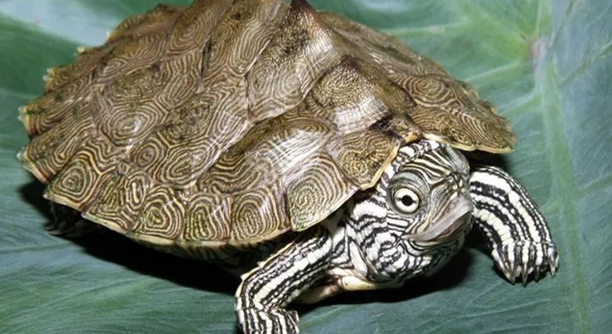
Map turtles are popular for their unique appearance and easy care, but maintaining the right tank conditions can sometimes be a challenge. One common issue is the water turning green, which many tank owners notice.
The green color of your map turtle tank water is typically caused by an overgrowth of algae, which thrives in the presence of excess nutrients, light, and stagnant water. Reducing these factors can help restore the water’s clarity.
Managing algae growth can prevent future issues and improve your turtle’s habitat. Understanding the causes will help you maintain a cleaner and healthier tank environment.
Causes of Green Tank Water
Algae growth is the primary cause of green water in your map turtle tank. Algae thrive in nutrient-rich environments, especially when there’s an overabundance of light or stagnant water. The tank may not be properly filtered, or it may be exposed to too much sunlight, encouraging the algae to bloom. The food left behind by your turtle can also provide a food source for algae, adding to the problem.
The main way to avoid green water is to maintain balance. Regular water changes, proper filtration, and limiting the exposure to light can help reduce algae growth. Keeping the water clean by removing uneaten food will also stop it from becoming a breeding ground for algae.
If algae growth is severe, it can lead to water quality issues. This can result in harmful bacteria and pathogens developing, which can affect your turtle’s health. For your tank’s long-term success, routine maintenance and proper setup will keep your turtle’s environment healthy and algae-free.
Preventing Green Water
Maintaining clean water requires consistent effort. One solution is to control the lighting in your tank.
Keep the tank away from direct sunlight or reduce the duration of light exposure. An adjustable light timer can help ensure a consistent day-night cycle for your turtle. Additionally, a high-quality filtration system will help reduce nutrient buildup.
Adjusting Water Parameters
Improper water parameters can contribute to algae growth. If the water temperature is too high, it can encourage algae proliferation. Similarly, imbalanced pH levels can also create a suitable environment for algae. It’s important to regularly test the water to ensure it’s within the right range for both your turtle and the tank’s ecosystem.
Invest in a reliable water testing kit to measure pH, hardness, and temperature. Map turtles typically thrive in temperatures between 75°F and 85°F (24°C and 29°C) with a pH range of 7.0 to 8.0. If the pH is too high or low, consider using a pH buffer to adjust the levels. If the temperature is too warm, you may need to adjust your heater settings or move the tank to a cooler location.
Regularly monitoring these factors can prevent algae overgrowth and maintain a balanced environment. Keeping the water temperature stable will not only help reduce algae but also support your turtle’s overall health.
Filtration System
A good filtration system is crucial for maintaining clean water. A filter helps remove debris and excess nutrients that algae feed on. When choosing a filter, make sure it’s suitable for your tank size and can handle the waste produced by your turtle.
Invest in a filter with both mechanical and biological filtration capabilities. Mechanical filtration removes particles, while biological filtration breaks down harmful compounds such as ammonia and nitrites. Ensure the filter is appropriately sized for your tank to keep the water flowing smoothly and prevent stagnation, which can exacerbate algae growth.
You should clean the filter regularly to maintain its efficiency. An effective filtration system combined with regular water changes will significantly reduce the likelihood of green water.
Regular Water Changes
Changing the water frequently helps prevent algae buildup by removing excess nutrients and waste. This simple task can significantly reduce the likelihood of green water. For a clean tank, aim for a 25% water change every 1-2 weeks.
Regular water changes also allow you to monitor water quality and ensure proper pH and temperature. This proactive approach will keep your tank in balance, making it harder for algae to thrive. It’s essential to use a water conditioner to remove chlorine and chloramine from tap water to protect your turtle.
Cleaning Tank Decorations
Tank decorations, including rocks, plants, and substrate, can trap organic matter and contribute to algae growth. Make sure to clean these items regularly. Use a soft brush or sponge to remove any algae that may accumulate on them.
When cleaning decorations, be gentle to avoid disturbing beneficial bacteria colonies that support a healthy tank. Remove any debris or food particles that may provide a food source for algae. Cleaning these items ensures that they don’t contribute to water contamination, keeping the environment cleaner for your turtle.
Proper Lighting
Too much light can cause algae to bloom. Ensure your tank receives appropriate lighting without overexposure. Map turtles need a day-night cycle to stay healthy, but extended light periods can promote algae growth.
Invest in a timer to control the light duration. Keep the light on for about 8-12 hours a day to mimic natural conditions. Avoid placing the tank in areas with direct sunlight, as this can increase the water temperature and encourage algae. Proper lighting is key to maintaining a balanced environment for both your turtle and the tank’s water quality.
FAQ
Why is my map turtle tank water turning green?
Green water in your map turtle tank is usually caused by excessive algae growth. Algae thrive in environments with excess nutrients, light, and stagnant water. It can be triggered by overfeeding, insufficient filtration, or too much exposure to sunlight. Managing these factors can help prevent algae from overtaking the tank.
How do I prevent green water in my turtle tank?
To prevent green water, maintain a clean environment by performing regular water changes, using proper filtration, and controlling light exposure. Limit overfeeding and remove any uneaten food to avoid excess nutrients. Consider using a UV sterilizer to reduce algae growth and improve water clarity.
Is algae harmful to my map turtle?
While algae itself is not harmful to your map turtle in small amounts, excessive algae can indicate poor water quality. Green water can affect the oxygen levels in the tank and potentially lead to other harmful bacteria or parasites. Keeping algae under control helps ensure a healthier environment for your turtle.
How often should I clean my map turtle’s tank?
You should clean your map turtle’s tank regularly to prevent the buildup of waste and algae. Aim for a 25% water change every 1-2 weeks, and clean the substrate, decorations, and filter regularly. If you notice algae buildup, clean the decorations and surfaces more frequently to keep the tank clear.
Can I use a UV sterilizer to clear the green water?
Yes, a UV sterilizer can help clear green water caused by algae. It works by eliminating microscopic algae particles and other harmful microorganisms from the water. However, it’s important to also address the root causes, such as excess nutrients and poor filtration, to keep the tank clean in the long term.
What’s the best way to control algae growth?
Controlling algae growth involves a combination of factors. Use proper filtration, change the water regularly, limit light exposure, and avoid overfeeding. You can also use algae-eating creatures like snails or specific plants that help compete with algae for nutrients, naturally reducing its growth.
How do I know if my turtle’s tank water is unhealthy?
Unhealthy water can be identified by cloudy or green-colored water, foul smells, or visible debris. If your turtle seems stressed or exhibits signs of illness, such as lethargy or loss of appetite, these could be signs that the water quality is poor. Testing the water regularly for pH, ammonia, nitrites, and nitrates can also help.
What temperature should the water be for my map turtle?
The ideal water temperature for a map turtle is between 75°F and 85°F (24°C and 29°C). Water that is too warm or too cold can stress your turtle, affecting its health and potentially contributing to algae growth. Make sure to use a reliable water heater to maintain the right temperature range.
Can overfeeding cause green water?
Yes, overfeeding can contribute to green water. Uneaten food decays and creates excess nutrients in the water, which algae feed on. Feed your turtle only the amount it can consume within a few minutes, and remove any leftover food to maintain water quality.
How can I reduce the light in my turtle tank?
To reduce light in the tank, you can either move the tank away from direct sunlight or limit the duration the light is on. A timer can be used to ensure that the tank light is on for about 8-12 hours a day, mimicking a natural day-night cycle. Too much light encourages algae growth.
Can I use chemical treatments to clear algae?
While chemical treatments can clear algae temporarily, they should be used with caution. These treatments can disrupt the biological balance in the tank and may harm your turtle. It’s better to address the root cause of the algae growth, such as water quality and filtration, for a long-term solution.
Are there any plants that help control algae in a turtle tank?
Yes, certain aquatic plants can help control algae by competing for nutrients and shading out algae. Fast-growing plants like hornwort, anacharis, and water lettuce can help maintain a natural balance in the tank. Make sure the plants are safe for turtles, as some may be eaten.
How can I clean decorations in the tank?
To clean decorations, use a soft brush or sponge to gently scrub away algae and debris. Avoid using harsh chemicals or soaps, as these can harm your turtle. If the decorations are particularly dirty, you can soak them in a diluted vinegar solution for a few hours to remove stubborn buildup.
How long should I keep the tank light on each day?
Map turtles need a day-night cycle, so it’s best to keep the tank light on for 8-12 hours per day. This mimics natural sunlight and helps regulate your turtle’s sleep patterns. Overexposure to light can lead to algae growth, so make sure the light isn’t on for too long.
What role does a filter play in preventing green water?
A filter helps maintain water quality by removing debris, waste, and excess nutrients that algae feed on. A good filtration system should include mechanical and biological filtration to clean the water and break down harmful substances like ammonia and nitrites. Ensure the filter is properly sized for your tank.
Can I use snails or fish to help clear algae?
Yes, snails and certain fish species, like Siamese algae eaters, can help control algae in your tank. These creatures consume algae and prevent it from taking over the tank. However, be careful not to overcrowd the tank and ensure that the creatures are compatible with your map turtle.
Final Thoughts
Maintaining clean water for your map turtle can be a simple process when you follow a few key steps. Regular water changes, proper filtration, and controlling light exposure are essential in preventing green water. It is important to avoid overfeeding and to remove any leftover food, as excess nutrients encourage algae growth. Keeping the tank clean not only helps prevent algae but also creates a healthier environment for your turtle, ensuring its well-being and long-term happiness.
By staying on top of water quality and regularly cleaning your tank, you can keep algae at bay and provide a comfortable living space for your map turtle. Be sure to test the water for pH, ammonia, nitrites, and nitrates to ensure everything stays balanced. Proper tank maintenance may require some time and effort, but it is an investment in the health of your turtle. The use of a UV sterilizer can also be beneficial, especially if you experience persistent algae problems. However, addressing the root causes like excess nutrients and poor filtration will be the most effective way to manage green water in the long run.
Remember, a healthy tank makes for a happy turtle. By controlling algae and maintaining clean water, you’re not only improving the appearance of your tank but also providing a safe and comfortable habitat for your map turtle. With a little care and attention, you’ll enjoy clear water and a healthier environment for your pet.

Hello,
If you enjoy the content that we create, please consider saying a "Thank You!" by leaving a tip.
Every little bit helps us continue crafting quality advice that supports the health, happiness, and well-being of pets around the world, for pets of all shapes, sizes, and species.
We really appreciate the kindness and support that you show us!