
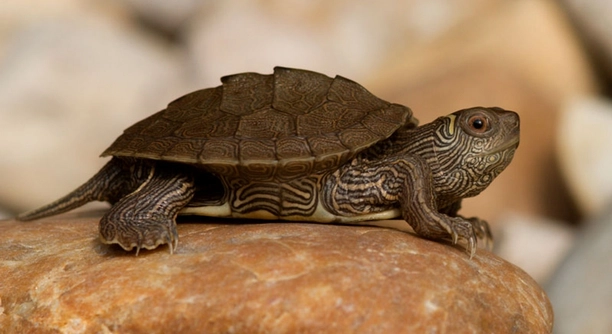
Map turtles are known for their curious nature and energy. When they start trying to escape their tank, it can be concerning. Understanding the causes behind this behavior will help ensure their well-being in a controlled environment.
The primary reason map turtles attempt to escape is due to inadequate tank conditions, such as insufficient space, improper water quality, or inadequate environmental enrichment. These factors can lead to stress and restlessness, prompting escape attempts.
Addressing these factors can help create a more comfortable environment for your turtle, reducing their desire to escape.
Tank Size and Space Limitations
Map turtles need ample space to feel comfortable. A small tank limits their movement, leading to stress and restlessness. They require enough room to swim and explore. A tank that’s too small doesn’t allow them to express their natural behaviors, which may drive them to try and escape. It’s essential to ensure the tank meets their size requirements as they grow. A 40-gallon tank is a good starting point for one adult map turtle. For each additional turtle, an extra 10 to 20 gallons is necessary. If their environment is cramped, they may seek freedom, even if it’s just a few inches of space.
Inadequate space can be a significant factor in their escape attempts. A larger tank encourages healthier behaviors and reduces the need to escape.
Map turtles are territorial and need sufficient room to explore. They will feel safer and more secure in a spacious tank, which helps prevent escape attempts. Providing them with various hiding spots, ramps, and different levels of water can add variety to their habitat, making it more stimulating. Adding a basking area with UVB lighting encourages them to remain in the tank and explore more, reducing their desire to climb out.
Water Quality and Temperature
Poor water quality can make a turtle feel uncomfortable. Dirty water or improper temperature may encourage them to leave. Maintaining clean, filtered water is essential for their health.
Environmental Enrichment
Map turtles thrive in an environment that stimulates their senses and provides variety. A plain tank without objects like rocks, plants, or driftwood might make them feel bored or stressed. Adding these elements encourages natural behaviors like basking, climbing, and exploring. A well-enriched tank keeps them engaged and can prevent escape attempts driven by frustration.
Providing hiding spots also helps turtles feel secure. They need areas where they can retreat to rest or hide when feeling threatened. A mix of submerged and dry areas offers them options for how to interact with their environment.
Adding items like logs, rocks, and floating plants provides enrichment, but make sure they are safe and turtle-friendly. Keep in mind that map turtles are active and enjoy moving around. A tank with more variety in its layout will help them feel more at home, reducing stress and the urge to escape.
Tank Lighting and UVB Exposure
Map turtles require proper lighting to maintain their health. UVB light is vital for them to synthesize vitamin D3, which helps in calcium absorption. Without adequate UVB exposure, they may become weak and disoriented. Too little light can make them uncomfortable, contributing to escape attempts.
Tank Cleaning and Maintenance
A dirty tank is a common reason why map turtles might try to escape. They need clean water to stay healthy and feel secure. If the water quality deteriorates or the tank becomes too dirty, they may feel uncomfortable. Regular cleaning and water changes help reduce stress and keep them content.
Cleaning the tank regularly prevents the buildup of harmful bacteria. It’s essential to monitor water temperature, pH levels, and filtration. Keeping these factors in check ensures a healthy environment and reduces the chances of escape attempts.
Stress and Anxiety
Map turtles can experience stress from sudden changes in their environment. Noise, overcrowding, or a tank that’s not suited to their needs can cause anxiety. This stress may result in behaviors like swimming frantically or trying to escape. It’s important to maintain a calm, stable environment for them.
FAQ
Why is my map turtle trying to escape?
Map turtles typically try to escape due to environmental factors such as inadequate tank size, poor water quality, or lack of enrichment. If they feel cramped, stressed, or uncomfortable, they may attempt to leave the tank in search of a better space. Ensuring your turtle’s habitat is appropriately sized and properly maintained can prevent these escape behaviors.
How can I prevent my map turtle from escaping?
The best way to prevent escape is by providing a tank that meets their needs. Ensure the tank is large enough for your turtle to swim and explore. Regular cleaning, proper filtration, and maintaining water quality are also important. Adding decorations like plants or rocks can reduce stress and keep them occupied.
What is the ideal tank size for a map turtle?
For a single adult map turtle, a 40-gallon tank is the minimum recommended size. As your turtle grows, a larger tank may be necessary to accommodate its size and activity level. For multiple turtles, an additional 10 to 20 gallons per turtle is needed. A spacious tank helps reduce stress and prevent escape attempts.
Do I need to provide UVB light for my map turtle?
Yes, UVB lighting is essential for map turtles. It helps them produce vitamin D3, which is necessary for calcium absorption and overall health. Without proper UVB exposure, they may suffer from shell deformities or weak bones. A UVB light should be placed above the basking area, and it should be replaced every 6 to 12 months.
Can a map turtle live without a basking area?
No, map turtles need a basking area where they can dry off, warm up, and absorb UVB light. A basking spot provides necessary heat for digestion and overall well-being. Without a basking area, your turtle may become lethargic, stressed, or develop health issues.
How often should I clean my map turtle’s tank?
It’s recommended to clean your map turtle’s tank regularly to maintain good water quality. Perform partial water changes every 1 to 2 weeks, depending on the size of the tank and the number of turtles. Full tank cleanings should be done monthly, including washing decorations, filtering, and replacing water. Keeping the tank clean helps prevent health issues and reduces the risk of escape behaviors.
What should I do if my map turtle is stressed?
If your turtle is stressed, the first step is to assess the tank’s environment. Make sure it’s the right size and is well-maintained. Consider adding hiding spots, water plants, or objects like logs to help the turtle feel more secure. Minimize noise or disruptions around the tank and keep the lighting consistent to avoid sudden changes that could contribute to stress.
Why does my map turtle swim frantically or act restless?
Map turtles may swim frantically or act restless due to stress, discomfort, or boredom. Common causes include overcrowding, poor water conditions, lack of enrichment, or improper tank size. If the environment isn’t right, the turtle may become agitated and try to escape. Adjusting the tank setup to address these issues can help reduce this behavior.
Can map turtles be housed together?
Map turtles can be housed together, but only if the tank is large enough to accommodate them comfortably. Overcrowding can lead to stress, aggression, and territorial behavior, which may trigger escape attempts. If you plan to keep multiple turtles, make sure there’s enough space, hiding spots, and separate basking areas for each one.
How can I keep my map turtle healthy?
Keeping your map turtle healthy requires maintaining proper water quality, temperature, and lighting. Offer a balanced diet of aquatic plants, pellets, and occasional live food. Ensure they have a clean and spacious tank with adequate UVB light and a basking area. Regular health checks are also important for preventing illness and injury.
Final Thoughts
Map turtles are active and curious creatures that require a comfortable, well-maintained environment to thrive. When they try to escape their tank, it often points to issues with their habitat, whether it’s the size of the tank, water quality, or lack of enrichment. Ensuring that their tank is large enough, clean, and has a variety of elements like rocks, plants, and basking areas can help reduce the likelihood of escape attempts. The more they feel secure and entertained, the less likely they are to become stressed or restless.
Providing the proper lighting and temperature is another essential factor in creating a healthy home for map turtles. UVB lighting is crucial for their well-being, enabling them to process calcium and maintain strong bones and shells. Without it, your turtle’s health may decline, leading to behavior changes, including attempts to escape. Additionally, maintaining the right water temperature is necessary for their overall comfort and digestion. By adjusting the environment to meet these needs, you can help your map turtle live a long, healthy life while minimizing escape behaviors.
If your map turtle is constantly trying to escape, it’s important to evaluate its tank setup and make adjustments where needed. From making sure the tank is spacious enough to improving water quality and lighting, every detail plays a role in keeping your turtle happy. With the right care, your map turtle can enjoy a stable, stress-free environment where they can thrive without the urge to escape.

Hello,
If you enjoy the content that we create, please consider saying a "Thank You!" by leaving a tip.
Every little bit helps us continue crafting quality advice that supports the health, happiness, and well-being of pets around the world, for pets of all shapes, sizes, and species.
We really appreciate the kindness and support that you show us!