
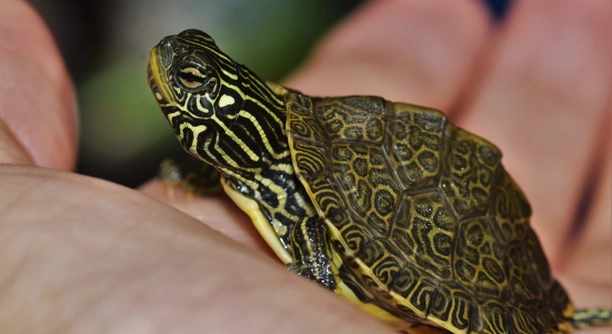
Owning a map turtle can be a rewarding experience. These unique and fascinating creatures bring a blend of charm and ease to any pet owner’s life. Their calm demeanor and interesting behavior make them great companions.
Map turtles offer several benefits as pets. They are low-maintenance, require minimal space, and are easy to care for. Their peaceful nature makes them ideal for families, and their fascinating behaviors provide a constant source of interest for owners.
Understanding how these turtles thrive in various environments is key to ensuring their health and well-being. The following benefits outline why map turtles make such wonderful pets.
Low Maintenance Pet
Map turtles are easy to care for, making them perfect for those who want a pet without the extensive responsibility of high-maintenance animals. They do not require daily attention and are relatively independent. With a suitable tank, proper lighting, and the right diet, they can thrive with minimal intervention. This makes them an ideal choice for busy individuals or those looking for a less demanding pet. Map turtles are content in their environment as long as their basic needs are met. They do not need constant handling or interaction, which is a relief for those with hectic schedules.
Their low-maintenance nature also means fewer expenses related to care. A quality tank, UVB light, and occasional food changes are the primary ongoing costs. Map turtles are not prone to frequent health issues, especially when they are housed in an appropriate environment.
This ability to flourish with little upkeep is what makes map turtles particularly appealing to pet owners. They offer a fulfilling experience without overwhelming responsibilities, leaving more time to enjoy their presence rather than manage their needs.
Interesting Behavior
Map turtles are full of unique behaviors that keep pet owners intrigued. These behaviors can range from basking under heat lamps to feeding in a specific way. Observing them as they glide through the water or interact with their surroundings is both relaxing and entertaining. Their movements often seem deliberate, showcasing intelligence and curiosity.
The simple yet fascinating actions of map turtles, like their ability to climb rocks or explore new areas of their tank, create a calming atmosphere. Their behavior provides an endless source of enjoyment and a closer connection with nature.
Their ability to adapt to different habitats while maintaining distinctive behaviors makes map turtles interesting pets to observe.
Peaceful Nature
Map turtles are known for their calm temperament. They rarely show aggression and are non-confrontational, making them perfect for a stress-free environment. Unlike other reptiles that might get anxious or defensive, map turtles prefer a relaxed lifestyle. They usually spend their time basking or swimming slowly in their tanks.
This peaceful nature makes map turtles an excellent choice for families with children. Since they are not prone to sudden outbursts or erratic behavior, they create a calm atmosphere. Their easygoing nature also reduces the risk of stress, both for the pet and the owner. As long as their environment is stable, map turtles will remain gentle and calm.
Their tranquil disposition also ensures they can live peacefully with other tank mates. When kept with non-aggressive species, map turtles often coexist without issues. This makes them a great addition to a well-managed aquatic habitat.
Easy to Feed
Feeding map turtles is straightforward and requires little preparation. They enjoy a simple diet consisting of pellets, vegetables, and occasional protein sources like insects or fish. This can be easily supplemented with some fresh greens or occasional treats. They do not have complex dietary needs, making them manageable for any pet owner.
Providing the right food ensures your turtle’s health and vitality. It’s easy to find turtle-specific food at pet stores, which simplifies the feeding process. Map turtles also benefit from a varied diet, but their simple eating habits mean they can thrive on a consistent routine. Ensuring they get the right nutrients will promote longevity.
Feeding map turtles is not time-consuming. As long as their meals are balanced, they will eat without issue. Since they are not picky eaters, they do not require special preparation or attention to their food.
Compact Size
Map turtles do not require large living spaces, making them perfect for those with limited room. A small tank with proper setup provides them with enough space to move around. Their compact size also means they do not create much of a mess, making maintenance easier.
Their small size also allows for easier cleaning and maintenance. With the right size tank and filtration system, it’s simple to keep their habitat in top condition. This compactness contributes to less clutter and fewer complications in your daily life, making them ideal for small living spaces.
Long Lifespan
Map turtles are known for their longevity. With proper care, they can live for decades, offering many years of companionship. Their long lifespan is one of the reasons they are valued as pets. Regular maintenance and attention to their environment can ensure a healthy, long life.
As they grow older, map turtles become even more engaging. Their enduring presence makes them a rewarding pet for those seeking a long-term companion. Their ability to thrive for years makes them ideal for individuals or families ready to make a lasting commitment.
Low Cost
Owning a map turtle can be more affordable compared to many other pets. They require minimal expenses, with most of the costs involving setting up their habitat and purchasing basic supplies. Once set up, ongoing care costs are relatively low.
The low cost of caring for a map turtle makes them a practical choice. They do not require expensive foods or frequent medical care, especially when properly cared for. This affordability is especially appealing for those looking for a pet without a significant financial investment.
FAQ
How big do map turtles grow?
Map turtles typically reach a size of 4 to 10 inches in length, depending on their species. The most common species, such as the northern map turtle, tends to grow up to 7 or 8 inches. Females are usually larger than males. Their compact size makes them suitable for smaller tanks, but it’s important to ensure they still have adequate space to thrive.
What do map turtles eat?
Map turtles are omnivores, and their diet consists of a mix of plant-based and animal-based foods. They enjoy leafy greens, aquatic plants, and occasional fruits. Protein sources like insects, small fish, or commercial turtle pellets are also essential for their diet. Providing a variety of food helps meet their nutritional needs and ensures they stay healthy.
How often should I feed my map turtle?
Map turtles should be fed 2-3 times a week, with the amount of food depending on their age and size. Juvenile turtles need to be fed more frequently, while adults can go with fewer feedings. It’s important to avoid overfeeding, as excess food can lead to water pollution and potential health issues.
Do map turtles need UVB light?
Yes, map turtles require UVB light for proper calcium absorption, which helps prevent shell deformities and promotes overall health. A UVB bulb should be placed over their basking area to allow them to soak in the necessary sunlight. This light should be replaced every 6 to 12 months to ensure its effectiveness.
What size tank do map turtles need?
Map turtles can live comfortably in a 40-gallon tank or larger. For a single adult, a 75-gallon tank or more is recommended. It’s important to provide both water space for swimming and dry space for basking. The tank should be equipped with a good filtration system to keep the water clean and safe for the turtle.
Can map turtles live with other turtles?
Map turtles can live with other turtles if the species are compatible. It’s best to house them with other peaceful species of similar size. They may become territorial with other turtles, especially during feeding times, so ensure that there is enough space in the tank to reduce stress and aggression. Always monitor interactions closely.
How can I tell if my map turtle is healthy?
A healthy map turtle will have clear, bright eyes, a smooth shell, and an active demeanor. Its skin should be free from lesions or discoloration. Make sure your turtle is eating regularly and moving about the tank. Any signs of lethargy, shell damage, or loss of appetite should be addressed promptly by a veterinarian.
Do map turtles hibernate?
Yes, map turtles can hibernate in colder months, especially in outdoor ponds. This process, known as brumation, occurs when water temperatures drop below 50°F (10°C). It’s important to monitor your turtle during this time to ensure it remains safe and healthy. Indoor turtles may not hibernate if kept at a consistent temperature.
How often should I clean my map turtle’s tank?
The tank should be cleaned at least once a week. This includes removing waste, vacuuming the substrate, and cleaning the filter. Spot cleaning can be done daily to remove uneaten food and waste. Keeping the tank clean prevents the buildup of harmful bacteria and ensures the water stays clear for the turtle.
Can map turtles be kept outside?
Map turtles can be kept outside in a secure, outdoor pond if the climate is suitable. They need a clean, warm environment with access to both water and dry basking areas. However, it’s important to ensure they are protected from predators and can safely retreat to a sheltered area during colder months.
Final Thoughts
Map turtles make excellent pets for those looking for a peaceful, easy-to-care-for reptile. Their calm nature and compact size make them a great choice for both beginners and experienced pet owners. With the right care, they can live for many years, offering companionship without demanding much attention. Their simple feeding needs and low maintenance requirements make them ideal for individuals or families who want a pet that doesn’t require constant attention. The key to their well-being lies in maintaining a clean habitat, providing proper lighting, and ensuring they have a balanced diet.
While map turtles do not need a lot of space, it is essential to provide them with an appropriate tank size. A 40-gallon tank is a good starting point for one turtle, with larger sizes recommended for multiple turtles. Regular tank cleaning and water changes are crucial to keep the environment healthy for your turtle. Since they are prone to shell damage from poor conditions, it is important to stay on top of water quality. Additionally, providing a basking area with a UVB light is necessary to maintain their health and prevent shell deformities. Offering a variety of foods ensures that they receive the proper nutrition to thrive.
Map turtles are a low-cost, long-lasting pet option. They don’t require expensive food or frequent veterinary visits if properly cared for. They are not overly demanding in terms of care, making them ideal for individuals with limited time or resources. However, they still need a stable environment and regular attention to ensure they remain healthy and happy. With their peaceful demeanor, long lifespan, and simple needs, map turtles can be a rewarding addition to any home. With the right care, they will thrive, bringing years of enjoyment without the high maintenance some other pets may require.

Hello,
If you enjoy the content that we create, please consider saying a "Thank You!" by leaving a tip.
Every little bit helps us continue crafting quality advice that supports the health, happiness, and well-being of pets around the world, for pets of all shapes, sizes, and species.
We really appreciate the kindness and support that you show us!