
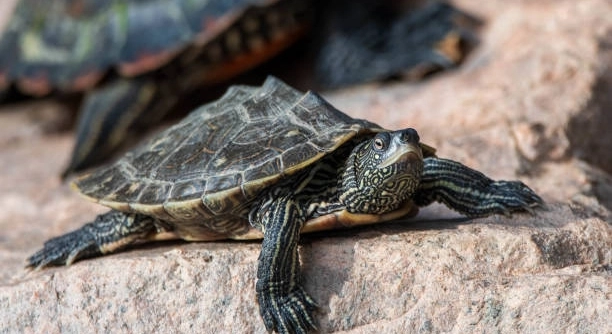
Map turtles make fascinating pets but require specific care and attention. Before adopting one, it is important to know a few key details about their needs and behaviors to ensure their well-being and long-term health.
Map turtles are aquatic reptiles that require a spacious, well-maintained habitat with clean water, UVB lighting, and a balanced diet. They can live for decades and need a proper setup to thrive. Understanding their needs will ensure successful care.
Understanding how to set up their environment, diet, and health maintenance will make all the difference in your turtle’s life.
Setting Up the Right Habitat
Map turtles need a well-maintained habitat to feel secure and healthy. A tank with at least 40 gallons of water is necessary for a single adult. They need access to both water and a dry basking area where they can rest and absorb UVB light. Proper water filtration is essential to keep their environment clean, as map turtles are sensitive to water quality. Water temperature should be maintained between 75-85°F, with a basking area slightly warmer at around 90°F. UVB light is vital for shell health and proper calcium absorption, so invest in quality lighting that mimics natural sunlight.
A secure tank lid is also important, as map turtles are adept climbers and can escape if the tank is not sealed properly. These turtles thrive on a balanced diet, including aquatic plants, insects, and occasional fish. Without the right habitat, map turtles will not live as long or stay as healthy as they should.
Map turtles also appreciate having objects like rocks and driftwood in their tanks. These not only offer hiding spots but also mimic their natural environment, helping them feel more at ease.
Feeding Map Turtles
Feeding map turtles properly is crucial to their overall health. A diet consisting of protein sources like small fish and insects, as well as aquatic plants, is necessary for a well-rounded diet.
Map turtles are omnivores, so it’s important to offer a variety of foods. In addition to the protein sources mentioned, you can provide commercial turtle food, though it shouldn’t be the only option. Incorporating leafy greens and some fruit can add vitamins and minerals. Be careful not to overfeed, as map turtles can gain excess weight, leading to health issues. Regularly varying their diet keeps them engaged and supports proper nutrition.
Additionally, calcium supplementation is important to prevent shell deformities. Offering calcium-rich foods or dusting their meals with a calcium powder will help meet their needs. Avoiding processed foods or high-fat options is key to maintaining their long-term health.
Water Quality and Maintenance
Water quality is vital for map turtles to thrive. Regular water changes are necessary to prevent harmful bacteria buildup. Aim for a 25-30% water change every week, depending on the tank size. Make sure the water is free of chlorine, which can be harmful to your turtle.
Invest in a high-quality water filter designed for large tanks. It helps maintain clean water and reduce the frequency of manual changes. Additionally, using a water conditioner can neutralize harmful chemicals. Pay attention to the pH and hardness levels, ensuring they stay within the ideal range for map turtles to stay healthy.
Check water parameters regularly with test kits to avoid sudden changes that could stress your turtle. Always adjust the temperature carefully, as fluctuating water temperatures can weaken their immune system. If the water becomes cloudy or has a strong odor, it indicates a problem with filtration or cleanliness.
Health Monitoring
Regular health monitoring is important to detect any signs of illness early. Map turtles may develop respiratory infections, shell rot, or parasites. Observe their eating habits, activity levels, and physical appearance for any signs of trouble.
If a turtle stops eating, becomes lethargic, or has an abnormal shell, it’s time for a vet visit. A clean, well-maintained habitat reduces the risk of health problems, but map turtles are still susceptible to illnesses. It’s a good idea to establish a relationship with a vet experienced in reptiles. They can help with routine check-ups and provide advice on preventative care.
Temperature Control
Maintaining the right temperature is crucial for map turtles. They need a warm environment to regulate their body temperature and digest food properly. Use an aquarium heater to ensure the water stays between 75°F and 85°F, and a basking light to keep the dry area at around 90°F.
Invest in a thermometer to monitor both the water and basking temperatures regularly. Turtles are sensitive to temperature fluctuations, and improper temperatures can weaken their immune system or lead to digestive issues. Make adjustments if you notice any drastic changes in temperature. A consistent, stable environment is key to keeping them healthy.
Lighting Requirements
Map turtles rely on UVB lighting to help them absorb calcium and maintain healthy shells. Use a UVB bulb designed for reptiles, placing it over the basking area where they spend most of their time.
Ensure the light is on for 10-12 hours daily to mimic natural sunlight. Map turtles need exposure to UVB light, so placing the bulb too far from the basking area will reduce its effectiveness. Replace the UVB bulb every 6-12 months, as its strength diminishes over time, even if it still looks functional. Proper lighting is essential for their long-term well-being.
FAQ
What size tank do map turtles need?
Map turtles require a tank that is at least 40 gallons for one adult turtle. The size should increase with the number of turtles you have, allowing for adequate swimming space and room to bask. A larger tank makes it easier to maintain proper water quality and temperature.
How often should I feed my map turtle?
Map turtles should be fed every day or every other day, depending on their age and activity level. Juvenile turtles typically need daily feedings, while adults may require less frequent meals. Ensure their diet includes a mix of protein, vegetables, and occasional fruits to support balanced nutrition.
Can map turtles live with other animals?
Map turtles can live with other turtles of the same species if given enough space. However, they should not be housed with other species of turtles, as different species may have different care needs. If housing them with fish, ensure the turtles aren’t overly aggressive toward them.
How long do map turtles live?
Map turtles can live anywhere from 20 to 40 years in captivity if given proper care. Their lifespan depends on factors such as diet, habitat, and health care. Regular health checks and maintaining their habitat will help ensure they live a long, healthy life.
How do I know if my map turtle is sick?
Common signs of illness in map turtles include loss of appetite, lethargy, and abnormal behavior. A soft or discolored shell, wheezing, or difficulty swimming are also indicators of potential health issues. If you notice any of these symptoms, consult a reptile veterinarian as soon as possible.
What type of substrate should I use in a map turtle tank?
For the tank’s bottom, avoid fine gravel or sand, as it can cause impaction if swallowed. Instead, use smooth river rocks or large pebbles that can provide hiding spots without posing a risk. The substrate should also be easy to clean to maintain water quality.
How can I help my map turtle shed its skin?
Map turtles naturally shed skin as they grow. To aid this process, make sure they have access to clean, warm water, as improper humidity or water temperature can affect shedding. If your turtle is having trouble shedding, you may want to soak it in warm water for a few hours.
What should I do if my map turtle stops eating?
If your map turtle stops eating, it could be a sign of stress, illness, or improper environmental conditions. Check the water temperature, basking area, and lighting to ensure they are within the ideal ranges. If the turtle continues to refuse food, consult a reptile vet.
Can map turtles swim in cold water?
Map turtles cannot tolerate cold water for extended periods. Water temperatures should remain between 75°F and 85°F, with a basking spot at around 90°F. Cold water can lead to stress, weakened immune systems, and potential respiratory infections. Make sure the tank heater is working properly.
Do map turtles need a basking area?
Yes, map turtles require a basking area where they can rest and dry off. The basking area should have a heat source, such as a UVB bulb, to help them regulate their body temperature. This also promotes healthy shell growth and aids in digestion.
What is the best way to clean a map turtle tank?
To clean the tank, remove any uneaten food and waste daily. Perform regular water changes, about 25-30% weekly, to keep the water clean and clear. A high-quality filter is essential for maintaining water quality. Clean the tank with reptile-safe products to avoid harming your turtle.
Final Thoughts
Adopting a map turtle can be a rewarding experience, but it requires careful consideration and ongoing commitment. These turtles have specific needs that must be met for them to thrive. Providing a proper habitat with clean water, the right temperature, and adequate lighting is essential for their well-being. Additionally, maintaining a balanced diet and monitoring their health will help ensure they live a long, healthy life. It’s important to stay informed and make adjustments as necessary to meet their needs.
While map turtles are relatively low-maintenance compared to other pets, they are not entirely care-free. Their habitat must be kept clean, and their environment needs to be monitored regularly. Temperature and water quality should always be maintained within the ideal ranges to prevent health issues. Regular check-ups and proper diet are also key to ensuring your turtle remains in good health. As with any pet, understanding their needs and making the effort to meet them will lead to a more fulfilling experience for both you and the turtle.
Before adopting a map turtle, it’s important to be fully prepared for the responsibilities involved. These turtles can live for many years, so adopting one is a long-term commitment. Ensure that you have the time, resources, and knowledge to provide them with the care they deserve. If you are ready to meet their needs, a map turtle can be a wonderful and interesting pet. With the right care, they can become a fascinating addition to your home for many years to come.

Hello,
If you enjoy the content that we create, please consider saying a "Thank You!" by leaving a tip.
Every little bit helps us continue crafting quality advice that supports the health, happiness, and well-being of pets around the world, for pets of all shapes, sizes, and species.
We really appreciate the kindness and support that you show us!