
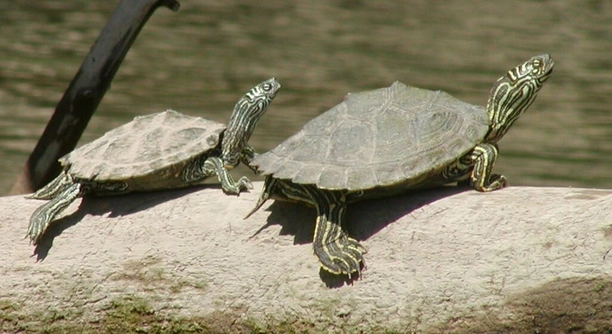
Map turtles, like all reptiles, require a proper environment to thrive, which includes access to essential UVB light. Without it, their health may decline. This article examines what happens when map turtles do not receive UVB light.
Map turtles rely on UVB light for the synthesis of vitamin D3, which is necessary for calcium absorption and overall health. Without UVB light, they can develop metabolic bone disease, weakened immune systems, and other serious health issues.
Ensuring proper UVB light exposure is crucial for map turtles’ well-being and longevity. Understanding this will help provide a healthier and happier environment for your pet.
What Happens Without UVB Light?
Without UVB light, a map turtle’s ability to metabolize calcium properly is impaired. Calcium is essential for maintaining strong bones, shell growth, and general bodily functions. When a turtle is deprived of UVB light, it may suffer from bone deformities, weakened shells, and lethargy. The lack of UVB can lead to metabolic bone disease, which can be life-threatening if left untreated.
Map turtles may also experience a weakened immune system. UVB light plays a vital role in boosting immunity and overall health. Without it, turtles are more susceptible to infections and illnesses. This could result in prolonged recovery times and complications that could affect their quality of life. Additionally, UVB light affects their overall activity levels and behavior.
Providing the proper UVB lighting, alongside a balanced diet and clean habitat, is key to preventing such issues. An appropriate light source, combined with adequate basking areas, helps keep a turtle’s health in check and ensures it thrives over time.
How to Provide UVB Light
UVB light can be easily provided through specialized UVB bulbs designed for reptiles. These bulbs should be replaced every six months to ensure they maintain their effectiveness. It’s important to position the bulb correctly, about 6 to 12 inches above the basking spot. The area where the turtle basks should have both UVB light and warmth, mimicking a natural sunbathing environment.
A UVB bulb will not only provide light but also heat, both of which are vital for map turtles. Maintaining a consistent temperature is just as important as ensuring they have access to the proper light. Combining these factors will keep your map turtle healthy.
Effects on Behavior and Activity
Without UVB light, map turtles become more sluggish and less active. They tend to bask less, as they lack the energy needed to regulate their body temperature effectively. This inactivity can lead to stress, which, over time, affects their overall health. Healthy behavior includes basking and swimming with energy, which is diminished without proper UVB exposure.
Turtles that do not receive UVB light may also develop unhealthy habits. They may attempt to compensate for the lack of UVB by seeking out other light sources or staying in one spot for too long. These behaviors can lead to further complications like dehydration, skin issues, or the development of poor shell health. They may also become more aggressive or less social, depending on how they cope with the absence of light.
It is essential to monitor their behavior regularly to catch early signs of UVB deficiency. Keeping track of changes allows for quicker intervention and correction, which can help prevent more severe health issues.
UVB Light Alternatives and Supplements
If natural sunlight is unavailable, UVB light bulbs are the best alternative. However, it is crucial to ensure they are of the right wavelength (usually around 10.0 UVB) for map turtles. These bulbs should be placed in the appropriate location within the tank, close enough for the turtle to bask but not too close to cause overheating.
Calcium supplements are also helpful in preventing deficiencies. If UVB light is insufficient, offering calcium-rich food and supplements will help. Calcium powders can be sprinkled on food, but they should be used alongside UVB lighting, not as a substitute. Too much calcium without the proper light does not provide the same benefits and may lead to imbalances in the turtle’s diet.
Monitoring Health Without UVB Light
Regularly checking your map turtle’s health is important if UVB light is lacking. Look for signs of poor shell condition, lethargy, or difficulty moving. If you notice these, the absence of UVB may be the cause. Early detection helps prevent long-term damage.
If a map turtle is not basking enough or is acting strangely, it could indicate a UVB deficiency. Shell deformities, soft spots, or discoloration are also signs that immediate attention is needed. Consulting a veterinarian can provide a proper diagnosis and help determine the best course of action.
Replacing UVB Light Bulbs
UVB bulbs lose their effectiveness over time, even if they still emit visible light. It is essential to replace UVB bulbs every 6 to 12 months to ensure your turtle continues to receive the necessary exposure. Keeping track of the bulb’s lifespan is a simple but vital part of turtle care.
Remember that the quality of the light matters more than the price of the bulb. A cheap UVB bulb may not provide the necessary amount of UVB rays for the turtle’s health. Investing in high-quality bulbs is key to maintaining a proper environment.
Basking Spot Setup
The basking area should provide a space for your turtle to warm up and soak in the UVB light. This spot must be both dry and accessible, allowing your turtle to fully benefit from the light. Ensure there is enough space for them to move comfortably between the basking and swimming areas.
FAQ
How much UVB light does a map turtle need?
Map turtles need 10-12 hours of UVB light each day to maintain proper health. It’s important to replicate natural sunlight as closely as possible by providing consistent exposure throughout the day. Ensure that the UVB bulb covers their basking area adequately.
Can map turtles survive without UVB light?
Map turtles can survive for a short period without UVB light, but prolonged exposure to insufficient light can lead to severe health problems. Without UVB, their calcium absorption is hindered, leading to metabolic bone disease, weakened shells, and overall poor health.
How do I know if my map turtle is lacking UVB light?
Signs of UVB deficiency include lethargy, poor shell health (such as soft or deformed shells), and difficulty moving. Turtles may also avoid basking, appear less active, or experience weakened immune systems, making them more susceptible to infections and illness.
What type of UVB bulb is best for a map turtle?
A UVB bulb with a rating of 10.0 UVB is ideal for map turtles. These bulbs emit the proper amount of UVB radiation necessary for their health. Make sure to choose one that’s designed specifically for reptiles and placed at the appropriate distance from the turtle.
How can I provide UVB light if I can’t get natural sunlight?
If natural sunlight is not an option, you can use artificial UVB light bulbs. These bulbs are available in various types, such as fluorescent tubes or compact bulbs, and can be used in combination with heat lamps to mimic a natural basking environment for your map turtle.
Can I use a regular light bulb for UVB light?
No, a regular light bulb does not emit UVB radiation. You need a specialized UVB bulb designed for reptiles. These bulbs provide the necessary wavelengths to support your turtle’s health, allowing them to produce vitamin D3 and absorb calcium properly.
What happens if my map turtle doesn’t get enough calcium?
Calcium is essential for map turtles to maintain strong bones and a healthy shell. Without enough calcium, they can develop metabolic bone disease, which leads to weakened bones, soft shells, and even paralysis in severe cases. It is vital to provide both UVB light and calcium in their diet.
How often should I replace the UVB bulb?
UVB bulbs should be replaced every 6 to 12 months, even if they still seem to be working. Over time, their UVB output decreases, which means they no longer provide the required light for your turtle’s health. Regular bulb replacement ensures optimal UVB exposure.
Do I need to use UVB light at night?
No, UVB light is only necessary during the day when your turtle is active and basking. At night, your turtle should have access to a dark, cool environment to rest. Overexposure to UVB light can cause stress, so it is best to turn the light off after 10-12 hours of exposure.
Can map turtles live in tanks without UVB light?
While map turtles may survive for a time without UVB light, it is not recommended. Long-term exposure to inadequate lighting can result in serious health issues, including bone deformities, weakened shells, and a weakened immune system. Proper UVB light is necessary for their overall well-being.
Do I need a heat lamp in addition to UVB light?
Yes, map turtles also require a heat source to regulate their body temperature. A heat lamp helps maintain a proper basking temperature, typically around 85-90°F (29-32°C), which is essential for digestion and overall health. Combine both UVB and heat lamps for a complete setup.
How can I make sure my map turtle is getting enough UVB light?
Ensure that the UVB bulb is positioned correctly, within 6-12 inches of the basking area. The basking spot should be in a location where the turtle can comfortably soak in both the light and warmth. Make sure the UVB bulb is replaced regularly and is functioning properly.
Can I use a timer for the UVB light?
Yes, using a timer for the UVB light ensures that your map turtle receives consistent light exposure. A timer helps maintain a regular light cycle, turning the UVB light on and off at the same times every day, which is important for their health and natural behavior patterns.
What else can I do to improve my map turtle’s habitat?
Along with UVB light, provide a large water area for swimming, clean water, and a dry basking spot. Regular water changes, a proper filtration system, and a suitable substrate will all contribute to a healthy environment. It’s also important to offer a balanced diet with calcium and vitamins.
Is UVB lighting necessary for all turtles?
Yes, most turtles, including map turtles, require UVB lighting for optimal health. Different species may have slightly different needs, but generally, UVB light is essential for vitamin D3 production, calcium absorption, and overall wellness. Always check the specific requirements for the species you own.
How long can a map turtle go without UVB light?
Map turtles can survive for a short time without UVB light, but prolonged exposure to inadequate light can cause irreversible damage. Ideally, UVB light should be provided as soon as possible to avoid serious health issues, including bone deformities and immune system suppression.
Final Thoughts
Providing UVB light for map turtles is essential for their overall health and well-being. Without proper exposure to UVB rays, map turtles cannot produce the necessary vitamin D3, which is crucial for calcium absorption. Without enough calcium, turtles can develop serious health issues, including soft shells and weakened bones. Ensuring that your turtle has access to the right lighting is one of the most important steps in creating a healthy and sustainable environment for them.
While map turtles can survive for a short period without UVB light, they will eventually begin to show signs of health problems if the deficiency continues. These signs can include lethargy, difficulty moving, and poor shell condition. The lack of UVB light can also weaken their immune system, making them more vulnerable to infections and illnesses. To avoid these issues, it’s vital to maintain a proper UVB lighting setup, and regular checks on your turtle’s health should be a priority.
In addition to providing the right lighting, it’s important to ensure your map turtle’s habitat includes a proper basking area, clean water, and a balanced diet. A heat lamp, along with UVB lighting, will help maintain the necessary temperature for basking, which is crucial for digestion and overall health. Regularly monitoring the environment and your turtle’s behavior can help catch any potential issues early on. By maintaining the proper conditions, your map turtle can thrive and enjoy a long, healthy life.

Hello,
If you enjoy the content that we create, please consider saying a "Thank You!" by leaving a tip.
Every little bit helps us continue crafting quality advice that supports the health, happiness, and well-being of pets around the world, for pets of all shapes, sizes, and species.
We really appreciate the kindness and support that you show us!