
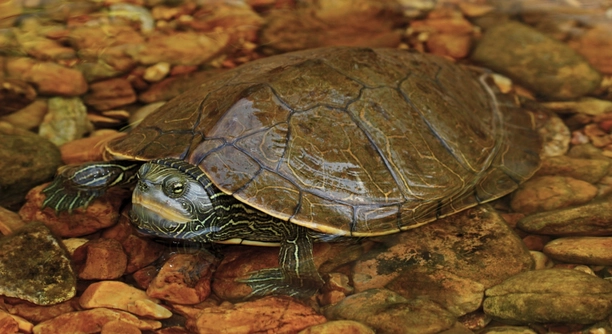
Map turtles are known for their playful splashing behavior. If your turtle seems to be constantly splashing water, it could be for various reasons. Understanding this behavior can help ensure a happy and healthy turtle environment.
Map turtles splash water to express excitement, mark territory, or regulate their environment. This behavior can also be linked to territorial instincts or an attempt to mimic natural actions seen in the wild.
This behavior may be a sign of your turtle’s natural instincts or an environmental reaction. Understanding the cause is key to improving their habitat and wellbeing.
Why Map Turtles Splash Water
Map turtles tend to splash water for various reasons. One of the most common is that they do it to establish their territory. In the wild, this is a natural behavior, helping them ward off other creatures. If your turtle has a small space or feels crowded, it may splash to create boundaries. Another reason could be excitement. Turtles often splash water when they are excited, especially during feeding times or when they anticipate something enjoyable happening. In these moments, water splashing can be a sign of positive energy.
Map turtles may also splash water as part of their natural instincts for cleanliness and comfort. They need to regulate their environment, and splashing water might be a way of keeping their area fresh. If the water gets too warm or dirty, splashing could be a response to maintaining a more suitable habitat.
You may notice that your map turtle splashes more frequently when stressed. Stress triggers their natural response to adjust their environment. Be sure to assess their habitat for factors like overcrowding, temperature, and cleanliness to reduce potential stress.
Factors Affecting Water Splashing
Map turtles require specific conditions to thrive, and their water splashing could signal discomfort. If the tank’s water level is too low, the turtle might splash to increase the depth. Similarly, the temperature could play a role. When water temperatures are either too hot or too cold, turtles may react by splashing as a way to cool down or warm up. Furthermore, changes in the environment, like new tankmates or sudden shifts in lighting, may cause this behavior.
When map turtles splash, they might also be trying to establish dominance over their space. This territorial act can sometimes be exacerbated if there is a lack of space or if another turtle is too close. Ensuring that your turtle has enough space in its tank can help reduce unnecessary splashing. Similarly, having hiding spots or objects to create boundaries can reduce the need for such behavior.
Is Your Map Turtle Splashing Due to Stress?
Stress is one of the main reasons your map turtle may be splashing water. It’s important to evaluate its living conditions carefully. Poor water quality, overcrowding, or frequent disturbances can cause anxiety, prompting your turtle to splash more. You’ll need to address these factors quickly to reduce stress.
Creating a calm, comfortable environment can help minimize this behavior. Ensure the tank is spacious enough for your turtle to move freely, and limit disturbances. Also, check that the water temperature is consistent and within the ideal range for your species. Lastly, try not to overhandle your turtle or introduce new animals into its space too quickly.
Regular water changes and monitoring your turtle’s behavior are key. If splashing continues despite improving the environment, it may indicate that stress is ongoing. In this case, consider adding plants or hiding spots to create a more private space. By making these changes, you can help reduce stress and prevent excessive splashing.
The Impact of Tank Size on Water Splashing
The size of your map turtle’s tank plays a huge role in its behavior. A cramped space can lead to restlessness and splashing as the turtle tries to create more room. It’s essential to give your turtle enough room to move around comfortably. This will also help prevent territorial issues with tankmates.
Map turtles need plenty of swimming space, especially if you have multiple turtles. A larger tank allows them to establish their own space, reducing the likelihood of territorial disputes. Additionally, providing both shallow and deep areas in the tank will give your turtle variety and freedom, further reducing stress and splashing behavior.
If you notice an increase in splashing, it’s a good idea to reassess your turtle’s environment. Ensure it is large enough to accommodate its size and activity level. A larger tank will not only reduce splashing but also promote better overall health and behavior for your turtle.
Tank Cleanliness and Water Splashing
Dirty water is another common cause of splashing. If your map turtle’s tank water isn’t being cleaned regularly, it can become too warm, murky, or filled with waste. This can cause discomfort, prompting your turtle to splash. Regular cleaning helps maintain a healthy environment.
Make sure to change the water frequently and clean the tank walls. A filtration system is also a great way to keep the water clear and free from debris. Regular maintenance will not only help prevent splashing but will also improve the overall health of your turtle.
Water Temperature
Water temperature is another key factor influencing splashing. If the water is too cold or too hot, your map turtle might splash to regulate its body temperature. Consistent water temperature within the recommended range helps to minimize this behavior.
Invest in a good water heater and thermometer to monitor the temperature. Make adjustments as needed to ensure it stays within the ideal range for your turtle’s species. A stable environment helps your turtle feel secure and reduces unnecessary splashing behavior.
Overcrowding in the Tank
Overcrowding is a common issue that leads to splashing in turtles. If there are too many turtles in one tank, they may feel stressed and territorial, leading to more frequent splashing.
To reduce overcrowding, assess your tank’s size and the number of turtles inside. Consider moving some of them to a different tank or providing more hiding spaces to give each turtle its own territory. This will reduce the pressure and minimize splashing.
FAQ
Why is my map turtle splashing water constantly?
Constant splashing could be a sign that your map turtle is either trying to regulate its environment, expressing excitement, or marking its territory. In many cases, splashing is a natural behavior, but excessive splashing may indicate stress, especially if the water conditions aren’t ideal. Check the water quality, temperature, and tank size to ensure they’re not contributing to the behavior.
How can I reduce water splashing in my turtle’s tank?
To reduce splashing, first, ensure your turtle’s tank is large enough to accommodate its size and needs. Add hiding spots or other items that create boundaries to minimize territorial behavior. Regular water changes, proper filtration, and monitoring the water temperature can also reduce the need for splashing. Keeping the environment calm and stable is essential.
Can water temperature affect water splashing?
Yes, water temperature plays a significant role in a turtle’s behavior. If the water is too warm or too cold, your map turtle may splash to try to regulate its temperature. Make sure to maintain a consistent water temperature that falls within the recommended range for your species. This can help prevent unnecessary splashing.
Does tank size matter for water splashing?
Tank size is crucial for reducing water splashing. If the tank is too small, your turtle may feel cramped and stressed, which can lead to splashing as it tries to create space. A larger tank provides enough room for your turtle to move around freely, reducing territorial behavior and splashing.
Could my turtle be splashing due to stress?
Stress is a major factor in excessive water splashing. If your map turtle feels threatened, overcrowded, or uncomfortable in its environment, it may splash to communicate distress. Pay attention to changes in the tank, such as new tankmates, noise, or sudden environmental shifts, as these could contribute to the stress.
What role do tankmates play in water splashing?
Tankmates can influence water splashing, especially if they create competition for space or food. If your map turtle feels crowded or threatened by other animals in the tank, it may start splashing water to establish dominance or to ward off perceived threats. It’s important to ensure that the tankmates are compatible and that the tank is large enough for everyone to coexist comfortably.
How often should I clean my turtle’s tank to reduce splashing?
Regular cleaning is essential to maintain a healthy environment for your turtle. Ideally, you should change 25-50% of the water weekly and clean the tank’s surfaces to prevent the buildup of algae, waste, and bacteria. A clean tank promotes good water quality, which can help reduce stress and splashing.
Can my turtle splash water if it’s hungry or excited?
Yes, map turtles may splash water when they’re hungry or excited, particularly when they anticipate food or interaction. This splashing is usually a natural response to stimuli. Providing a consistent feeding schedule and ensuring your turtle has enough space for movement can help reduce excitement-induced splashing.
What signs should I look for if my turtle is stressed from splashing?
Stress-related splashing can often be accompanied by other signs such as a loss of appetite, hiding more frequently, or aggressive behavior. If you notice that your turtle is splashing excessively and showing signs of stress, it’s important to assess the environment for potential triggers, such as tank size, water temperature, or overcrowding.
Are there any specific products to help reduce splashing?
Investing in proper tank equipment like a good filtration system and water heater can help regulate water quality and temperature, both of which play a role in splashing. Additionally, adding plants or decorations can create hiding spots, which may help your turtle feel more secure and reduce splashing behavior.
What should I do if the splashing behavior doesn’t stop?
If your turtle’s splashing behavior doesn’t improve despite addressing environmental factors, it may be worth consulting a veterinarian who specializes in reptiles. Persistent splashing can sometimes indicate an underlying health issue, such as discomfort or injury, that requires professional evaluation and care.
Can water splashing be harmful to my map turtle?
Water splashing itself isn’t harmful, but the underlying cause could be. For example, if your turtle is splashing due to stress, overcrowding, or poor water quality, those conditions could negatively impact its health. It’s important to address the cause of splashing to ensure your turtle’s overall well-being.
Do map turtles splash water more often at certain times of the day?
Some turtles may splash more often during certain times of the day, especially during feeding times or when they are most active. This can be due to excitement or anticipation. If the splashing occurs consistently at specific times, it could be tied to a regular routine or environmental changes.
Can I stop my map turtle from splashing completely?
It’s difficult to completely stop a map turtle from splashing, as it’s a natural behavior. However, by providing a comfortable, spacious, and clean environment with the right water temperature, you can reduce the frequency and intensity of splashing. Ensuring your turtle’s needs are met will help minimize this behavior.
Is water splashing a sign of a happy map turtle?
While splashing can be a sign of excitement or positive stimulation, it’s not always an indicator of happiness. If the splashing is excessive or seems to be a response to stress, it’s important to address any underlying issues. A healthy, happy turtle will display a balance of behaviors that include normal swimming and basking.
Can adding more water help reduce splashing?
Increasing the water level in your turtle’s tank may help reduce splashing if the current level is too low. If the water is too shallow, your map turtle may feel restricted and splash to create more space. Ensuring the water level is appropriate for your turtle’s size can help minimize splashing.
Do certain types of map turtles splash more than others?
Some species of map turtles may be more prone to splashing than others, but this behavior is common across the group. Environmental factors, such as water quality, tank size, and temperature, play a larger role in splashing than the specific species. Adjusting these factors will help minimize splashing regardless of the type of map turtle.
Final Thoughts
Water splashing in map turtles can be a natural behavior, often linked to their need for space, environmental comfort, or an attempt to regulate their body temperature. While occasional splashing is normal, excessive splashing may indicate stress or discomfort caused by factors such as poor water quality, overcrowding, or incorrect water temperature. It’s essential to understand the reasons behind this behavior to ensure your turtle’s well-being and to create a healthy living environment.
By addressing key elements such as tank size, water cleanliness, and temperature regulation, you can significantly reduce splashing. Regular cleaning of the tank, proper filtration, and maintaining a stable water temperature are simple yet effective ways to make your turtle feel more comfortable. Additionally, ensuring that your turtle’s tank has enough space and hiding spots can help minimize territorial behavior, further reducing splashing. Avoid overcrowding, as this can lead to increased stress and disruptive behaviors.
Ultimately, understanding and responding to your turtle’s needs will help create a more balanced and peaceful environment. While some splashing is to be expected, it should not interfere with your turtle’s health or happiness. If excessive splashing persists despite taking steps to improve the tank conditions, consulting a veterinarian might be necessary to rule out any health issues. By paying attention to your turtle’s behavior and environment, you can ensure it thrives in its aquatic home.

Hello,
If you enjoy the content that we create, please consider saying a "Thank You!" by leaving a tip.
Every little bit helps us continue crafting quality advice that supports the health, happiness, and well-being of pets around the world, for pets of all shapes, sizes, and species.
We really appreciate the kindness and support that you show us!