
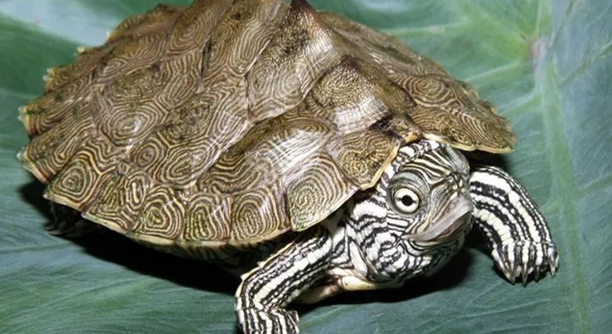
Do you love keeping map turtles but find that your tank is starting to smell unpleasant?
The smell from a map turtle tank is usually caused by decaying food, waste buildup, or poor filtration. These factors create an environment where harmful bacteria thrive, resulting in foul odors. Regular cleaning and maintenance can help resolve this.
Proper care and tank management are key to keeping odors under control. This article will walk you through the common causes and simple solutions to ensure a clean, healthy environment for your map turtle.
Why Does My Map Turtle Tank Smell?
The smell coming from your map turtle tank can be traced to several sources. Uneaten food, especially if you feed your turtle too much, can rot in the water, creating a bad odor. Turtle waste is another major contributor. As turtles live in their tank, they often leave droppings, which can accumulate and release unpleasant smells. Poor water filtration makes the situation worse by not properly filtering out waste and debris, allowing harmful bacteria to thrive. Without regular maintenance, these factors can combine, leading to a smelly tank environment.
It’s easy to overlook how quickly waste and leftover food can build up, especially in a busy schedule. However, recognizing the importance of regular cleaning can make a significant difference.
If you’re not cleaning your tank regularly, organic matter starts to break down. The process causes bacteria to multiply, leading to unpleasant odors. To combat this, ensure that you clean your tank at least once every two weeks. You may need to clean more often if you have multiple turtles. In addition to this, feeding smaller amounts of food can reduce waste. When setting up your tank, a strong filtration system is essential. The better the filtration, the less chance for bacteria to form and cause odors. Invest in a high-quality filter designed specifically for turtle tanks, and keep the water moving.
How To Fix a Smelly Tank
Cleaning your tank and adjusting feeding habits will greatly help. Make sure to clean the tank thoroughly, removing any uneaten food and waste.
To maintain a fresh tank, make cleaning part of your regular routine. Also, add a water filter to help with waste and bacteria.
Proper Tank Maintenance
Consistent tank maintenance is key to preventing odors. Regular cleaning and water changes are essential in keeping your map turtle’s habitat fresh.
Start by cleaning the substrate, rocks, and decorations. Remove any uneaten food, and scrub the tank walls to eliminate algae buildup. Use a gravel vacuum to clean the bottom and change out a portion of the water every 1-2 weeks. The more frequent your maintenance, the fewer bacteria will have a chance to grow. Don’t forget to clean the filter at least once a month, depending on its type.
To avoid putting too much stress on your turtle, clean in sections. This will allow your turtle to have an area to swim in while other sections dry. Regular water changes will also dilute waste and keep bacteria under control. Be sure to keep the water level at the proper height for your turtle’s safety. Avoid overcleaning, as it can disrupt the natural balance in your tank.
Feeding Habits
Overfeeding is one of the biggest mistakes that contribute to a smelly tank. Map turtles are known to eat a variety of foods, but you should be mindful of how much you’re feeding them.
Instead of providing large meals, give smaller amounts and remove leftovers after a few hours. This keeps uneaten food from decaying and creating unpleasant odors. You can also try feeding your turtle in a separate container to prevent excess food from reaching the substrate. Make sure you are offering balanced meals that your turtle can finish in one sitting. Rotting food and high-protein diets can cause an overload of nutrients in the tank, leading to bacteria growth.
Filtration System
A proper filtration system is essential in maintaining clean water. A high-quality filter will remove debris and waste that cause odors.
Choose a filter rated for the size of your tank and the number of turtles you have. A good filter helps remove organic waste and bacteria, reducing unpleasant smells. Make sure to check the filter regularly and clean or replace the media when needed.
Water Temperature
Water temperature plays a big role in maintaining a healthy tank. Too warm or too cold water can affect your turtle’s health and contribute to the growth of harmful bacteria.
Keep the water temperature between 75°F to 85°F for optimal conditions. Use a reliable water heater and thermometer to monitor the temperature. A stable water temperature ensures that your turtle remains comfortable and bacteria are kept under control.
FAQ
Why is my map turtle tank still smelling after cleaning it?
If your tank still smells after cleaning, it could be due to leftover waste or an inefficient filtration system. Make sure you’re thoroughly cleaning all surfaces, including the substrate, rocks, and decorations. Even a small amount of leftover food can rot and cause odors. Additionally, check your filtration system to ensure it’s working effectively. If it’s clogged or too small for your tank size, it won’t be able to filter out all the waste properly. You might need to replace the filter media or upgrade to a stronger filter.
How often should I change the water in my map turtle tank?
You should change about 25-50% of the water every two weeks, depending on the tank size and number of turtles. More frequent water changes may be necessary if the tank has a heavy waste load. For tanks with poor filtration, water changes may need to be done weekly to help keep the water clean. Always use a water conditioner to remove chlorine or chloramine when adding new water.
What can I do to reduce the smell between water changes?
You can reduce the smell by feeding your turtle in a separate container to prevent leftover food from decaying in the tank. Removing uneaten food and waste promptly will prevent them from decomposing in the water. Consider adding live plants, which can help absorb waste and improve the overall water quality. Using a surface skimmer to remove floating debris can also help keep the water fresh. Keep the water well-oxygenated to prevent bacteria growth.
Is there a specific type of filter I should use for my map turtle tank?
A canister filter is often the best choice for turtle tanks because it provides powerful filtration and can handle larger amounts of waste. For smaller tanks, a hang-on-back filter might suffice, but it’s important to choose one that’s rated for a tank larger than your actual size. Make sure the filter is capable of both mechanical and biological filtration. Biological filtration helps break down waste and keeps your tank from becoming too polluted. Always ensure that the filter is cleaned regularly, as dirty filters can contribute to poor water quality.
How can I tell if my filter is working properly?
To check if your filter is working properly, examine the water flow. If the water isn’t flowing as strongly as it should, the filter may be clogged or need maintenance. You can also monitor the water clarity and the smell. If the water is cloudy or has a strong odor, it’s a sign that the filter isn’t doing its job. Regularly check and clean the filter’s intake and outlet to ensure they aren’t blocked. Replacing the filter media according to the manufacturer’s recommendations is also important.
Can I use chemical products to remove the smell in the tank?
While chemical products like tank cleaners or deodorizers may temporarily mask the smell, they won’t address the underlying cause. The best way to handle odors is by maintaining proper tank hygiene, regular water changes, and a good filtration system. Some chemical cleaners can also harm your turtle, so it’s safer to avoid them. Natural remedies like activated carbon or adding beneficial bacteria to the water can help reduce odors without the risk of harming your turtle.
How do I know if my map turtle’s tank is properly maintained?
A properly maintained tank will have clear water, no strong odors, and healthy turtles. Your map turtle should be active and healthy, without any signs of stress or illness. Check the water parameters regularly, including pH, ammonia, nitrites, and nitrates. If the water appears cloudy, has an odor, or your turtle is showing signs of discomfort, your tank may need attention. Also, make sure the basking area is clean and dry, as mold or algae growth there can also contribute to bad smells.
Can I use a sand substrate in my map turtle tank?
Sand can be used, but it requires more maintenance than gravel or other substrates. Sand can trap waste, making it harder to clean thoroughly. If you use sand, be sure to vacuum it regularly to remove waste and prevent it from decomposing. Some turtles also eat sand, which can lead to health issues like impaction. If you choose sand, monitor your turtle’s behavior closely and ensure the sand is clean and free of harmful bacteria.
Should I use a UVB light for my map turtle?
Yes, UVB light is important for your turtle’s overall health, as it helps them absorb calcium and prevents metabolic bone disease. Ensure that your turtle has access to both UVB and UVA light in their tank, as this supports their natural behaviors and needs. The light should be positioned above the basking area, and you should replace the bulbs every 6-12 months, as UVB output decreases over time. Keep the light at the appropriate distance to ensure your turtle is getting the right amount of exposure.
How do I know if my map turtle is stressed from its tank environment?
Stress can manifest in several ways, including reduced appetite, lethargy, or excessive hiding. If your turtle is spending a lot of time underwater or not basking, it may be a sign that the tank conditions aren’t ideal. Water that is too cold, too dirty, or has poor filtration can cause stress. Make sure the temperature, lighting, and overall water quality are in line with your turtle’s needs. Stress can also result from overcrowding or having too many tank mates.
Final Thoughts
Taking care of a map turtle tank can seem overwhelming, especially when you notice unpleasant odors. However, by following a few simple steps, you can easily keep your tank clean and fresh. Regular maintenance, such as cleaning the tank, removing uneaten food, and changing the water, is essential for controlling the smell. Paying attention to your turtle’s feeding habits, like giving smaller amounts of food, also reduces the chances of waste buildup. By making these practices part of your routine, you will notice a cleaner tank and a healthier environment for your turtle.
The key to preventing smells in your map turtle tank is understanding the factors that contribute to the problem. Overfeeding, poor filtration, and insufficient cleaning can all lead to odors. It’s important to recognize when your filtration system needs cleaning or replacement, and to make sure it’s suitable for the size of your tank. A strong filtration system, combined with proper water temperature and regular maintenance, keeps harmful bacteria in check, reducing odors and creating a healthy environment for your turtle. Make sure you keep up with all the necessary tasks, from water changes to filter cleaning, to avoid a smelly tank.
In the end, the effort you put into caring for your map turtle’s tank will pay off. Not only will the tank smell better, but your turtle will also thrive in a cleaner, more stable environment. By keeping your turtle’s habitat in top condition, you’re not just avoiding bad smells, but you’re also ensuring your turtle’s long-term health. It doesn’t require much time, just a few regular habits and some simple tools. With consistent care, your map turtle’s tank will remain clean, fresh, and free of unpleasant odors.

Hello,
If you enjoy the content that we create, please consider saying a "Thank You!" by leaving a tip.
Every little bit helps us continue crafting quality advice that supports the health, happiness, and well-being of pets around the world, for pets of all shapes, sizes, and species.
We really appreciate the kindness and support that you show us!