
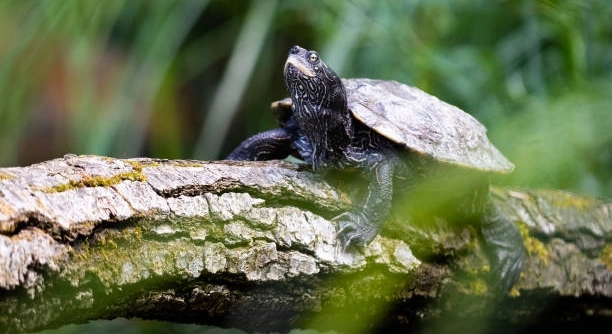
Mating season can cause significant changes in the behavior of many animals, including your map turtle. Aggressive behaviors can often appear during this time, leading to questions about the cause and how to manage them.
Map turtles become more aggressive during mating season due to hormonal changes that influence their behavior. Male turtles, in particular, become territorial and may show heightened aggression to compete for mates and establish dominance within their environment.
Understanding these seasonal behaviors can help you ensure the well-being of your turtle and manage any aggressive actions during mating periods.
Hormonal Influence on Aggression
During mating season, male map turtles undergo hormonal changes that affect their behavior. These changes are tied to the desire to find a mate, establish dominance, and compete with other males. Aggression is part of their natural instincts to protect territory and assert themselves over other turtles. Mating seasons can create stressful conditions where aggression becomes more noticeable, and these behaviors are typically temporary.
The increase in aggression is primarily driven by a surge in testosterone levels. This hormone triggers competitive behavior, leading to displays of aggression to win the attention of females. It is common for male turtles to chase, nip, or even fight with other males.
While this behavior is natural, it’s important to monitor your turtles during this time to ensure they don’t injure each other. Providing ample space in their enclosure can reduce conflicts. Additionally, ensuring a suitable environment with proper hiding spots and food availability helps mitigate the stress caused by these hormonal changes.
Understanding Aggression Triggers
The aggression seen in map turtles during mating season can also be influenced by overcrowding.
If multiple males are kept in the same space, the competition for mates increases, leading to more frequent aggressive displays. Proper tank management, including adequate space and hiding areas, is crucial to keep aggression at bay.
Managing Aggressive Behavior
One of the best ways to manage aggression is by providing more space for your turtles. A larger enclosure reduces territorial disputes and helps prevent fights.
Increasing the size of their tank allows male map turtles to spread out, reducing the likelihood of conflict. Including various hiding spots like logs, rocks, or plants can create areas where turtles can retreat when they feel threatened or need to calm down. Keeping the tank clean and maintaining stable water conditions also reduces stress, which may otherwise amplify aggression.
If you notice that aggression remains an issue despite space and hiding spots, you may need to separate the males. Keeping them apart during mating season helps ensure that each turtle can focus on finding a mate rather than fighting over territory.
Behavior and Handling
Map turtles are sensitive to stress, especially during mating season.
If your turtle’s aggression is causing harm or distress, it may be necessary to handle them less frequently. Over-handling or sudden changes in the environment can add to the stress and make aggression worse. You can create a calm space in their habitat where they feel secure and not constantly challenged.
Environmental Factors
The environment plays a significant role in the aggression levels of map turtles during mating season.
A stable, comfortable habitat is essential for reducing stress. Proper temperature, lighting, and clean water conditions can make a big difference in their behavior. Stressful conditions, such as fluctuating water temperature or poor lighting, can make turtles more prone to aggression.
Social Dynamics
Social interactions within the tank can trigger aggression.
Turtles are territorial, and when males are kept together, their competitive nature intensifies. If possible, keep only one male per enclosure to avoid constant fighting. This helps ensure that each turtle has enough space and reduces aggression related to territorial disputes.
FAQ
Why do male map turtles become more aggressive during mating season?
Male map turtles experience hormonal changes during mating season, particularly an increase in testosterone, which triggers territorial behavior. This aggression is often directed toward other males as they compete for mates and establish dominance. It’s a natural response to reproductive instincts.
How long does this aggression last?
The aggressive behavior typically lasts only during mating season, which can vary depending on environmental conditions and the turtle’s age. For most map turtles, this period lasts a few weeks to a couple of months. Afterward, their aggression usually decreases as the mating season ends.
Can I prevent the aggression completely?
While you can’t eliminate aggression entirely, you can manage it by providing enough space and hiding areas. Separating males during mating season or offering a large, enriched environment can reduce territorial disputes. Keeping water conditions optimal can also help minimize stress-related aggression.
What are the signs of aggression in map turtles?
Aggressive map turtles may display behaviors such as chasing, biting, or snapping at other turtles. You might also notice them becoming more active and vocal, especially if they’re trying to assert dominance. This aggression is often directed toward other males, but females can also experience aggressive behavior during breeding.
Is it safe to handle an aggressive map turtle?
Handling an aggressive map turtle should be avoided, especially during mating season. Stressing them further could increase their aggression and cause injury. If you need to handle them, do so gently and quickly, ensuring minimal disturbance. It’s better to leave them alone during this time unless absolutely necessary.
Do map turtles fight during mating season?
Yes, male map turtles can fight during mating season. These fights usually occur when two males compete for the attention of a female or try to defend their territory. These fights may involve biting, snapping, or pushing each other, but they typically end once the dominant male asserts his position.
How can I tell if my map turtle is stressed?
Signs of stress in map turtles include erratic swimming, refusal to eat, and changes in behavior, such as hiding or staying at the bottom of the tank. Stress can also manifest through excessive scratching or rubbing against tank walls. These behaviors are often caused by environmental factors or aggression from other turtles.
Should I separate my map turtles during mating season?
If aggression is severe or causing harm, separating your map turtles during mating season may be the best solution. This reduces the likelihood of injury and allows each turtle to focus on mating rather than fighting. Make sure both turtles have separate spaces to avoid further stress.
Can female map turtles become aggressive during mating season?
While females may exhibit some aggression during mating season, it is generally less intense than the behavior seen in males. Females may become more defensive, especially if they feel threatened by males or other turtles. Providing enough space and hiding areas can help reduce stress and aggression in females.
What should I do if my map turtles are fighting?
If your map turtles are fighting, immediately separate them to prevent injury. Examine their shells and limbs for any signs of damage. After separating them, provide more space and hiding spots to reduce stress. If the fights continue, consider housing males separately during mating season.
Can the environment influence aggression in map turtles?
Yes, environmental factors such as water temperature, lighting, and tank size can contribute to aggression. If the habitat is not ideal, turtles may become stressed, which can lead to increased aggression. Ensuring the tank has appropriate water temperature, lighting, and space is crucial to minimizing aggressive behaviors.
Are there any long-term effects of aggression on map turtles?
While aggression itself does not typically have long-term effects, frequent or intense fighting can result in injury. These injuries may cause lasting damage to shells or limbs if not treated promptly. It’s important to monitor your turtles closely during aggressive periods to prevent any long-term harm.
Final Thoughts
Aggression in map turtles during mating season is a natural occurrence, driven by hormonal changes and the instinct to compete for mates. Male turtles, in particular, become more territorial and assertive as they try to establish dominance over other males. While this behavior can be unsettling, it is temporary and typically lasts only through the mating season. Understanding the cause of this aggression can help you manage it effectively and create a more peaceful environment for your turtles.
To minimize aggression, it’s important to ensure your map turtles have enough space and appropriate hiding spots. Providing a large, enriched environment can reduce territorial disputes. When aggression escalates, separating the males can be an effective solution to avoid physical confrontations. Additionally, maintaining optimal water conditions and stable temperature levels is crucial in reducing stress, which could exacerbate aggressive behavior. These measures can help make the mating season less stressful for both you and your turtles.
While managing aggression requires some attention and care, it’s part of the natural behavior of map turtles during this time. Keeping their environment stable and stress-free, separating aggressive turtles when necessary, and monitoring their behavior will ensure that the season passes without serious issues. Understanding their needs and natural instincts will help you provide the best care for your turtles, ensuring their health and well-being throughout the mating season and beyond.

Hello,
If you enjoy the content that we create, please consider saying a "Thank You!" by leaving a tip.
Every little bit helps us continue crafting quality advice that supports the health, happiness, and well-being of pets around the world, for pets of all shapes, sizes, and species.
We really appreciate the kindness and support that you show us!