
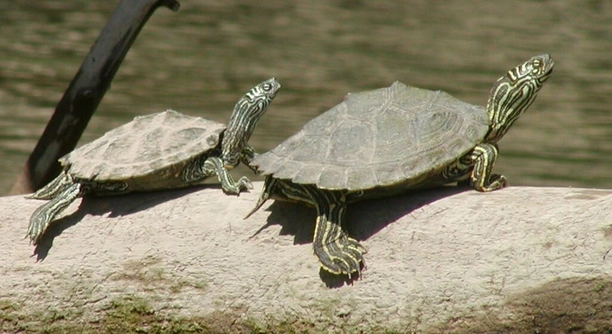
Map turtles, known for their charming appearance and peaceful nature, can sometimes face health issues. One of the more common problems is parasites, which can affect their well-being. Recognizing the signs early can make a big difference in their health.
Parasites in map turtles can cause a variety of symptoms, including lethargy, loss of appetite, and abnormal shell growth. Regular monitoring of your turtle’s behavior and physical condition is key to identifying any signs of parasitic infection before it worsens.
Addressing these signs promptly can help keep your turtle healthy. Learn more about the symptoms and steps to take for a quick recovery.
Signs of Parasites in Map Turtles
When map turtles develop a parasite problem, they can exhibit various symptoms that may be subtle at first. One of the first signs is a noticeable decrease in appetite. Your turtle may refuse food or eat less than usual. If your turtle appears sluggish or spends more time than usual resting in one spot, it could be an indication that something is wrong. Other signs include changes in behavior, such as scratching or rubbing against objects more often, as well as abnormal shell growth or softening.
If these symptoms persist for a few days or worsen, it’s important to take action. Parasites can stress your turtle’s immune system, leading to more severe health problems.
A turtle’s behavior often gives clues to its health. Pay close attention to any sudden changes in its usual patterns, as these could be linked to parasitic infections. Early detection is vital in preventing further complications.
How Parasites Affect Map Turtle Health
Parasites affect more than just your turtle’s appearance; they can also impact internal organs, leading to complications like digestive issues. Many parasites feed on the nutrients your turtle consumes, leaving it malnourished and weak. This may result in poor shell growth, weakened immune responses, and reduced energy levels. Map turtles can even experience difficulty in shedding their old skin or scutes when parasites affect their health.
One of the most common parasites in turtles is the protozoan parasite, which targets the digestive system. This parasite can cause diarrhea and weight loss, making it hard for the turtle to maintain a healthy weight. Another type of parasite to watch for is the external type, which attaches to the skin or shell, causing irritation and infection. In both cases, a turtle’s natural behavior, like basking or swimming, may be disrupted as a result of these health challenges.
Parasites can quickly become dangerous if left untreated, so it’s important to take action when signs appear. If left unchecked, these parasites can cause long-term damage and even shorten the turtle’s lifespan.
How to Diagnose a Parasite Problem in Map Turtles
Diagnosing a parasite problem in map turtles begins with observing any changes in their behavior. If they show signs of lethargy or loss of appetite, it’s a clear indication that something might be wrong. Keep an eye on any irregularities in their shell or skin as well.
The most effective way to confirm a parasitic infection is by taking your turtle to a veterinarian. The vet may perform a fecal test to identify any internal parasites. In some cases, a skin scraping or shell inspection may also be done to check for external parasites. Early diagnosis is crucial for treatment, as untreated infections can worsen quickly. Always provide your vet with detailed information about the symptoms you’ve noticed so they can accurately assess the situation.
While waiting for professional diagnosis, keep your turtle’s environment clean. Parasites thrive in dirty habitats, so regular cleaning of the tank and water is important for preventing further spread. Providing proper nutrition can also help boost your turtle’s immune system during this time.
Treatment Options for Parasitic Infections
Once parasites are diagnosed, your veterinarian will recommend a treatment plan. Internal parasites are typically treated with specific medications that target the parasites’ life cycle. This may include oral medications or injections, depending on the type of parasite. Follow the vet’s instructions carefully to ensure the infection is fully treated.
In addition to medication, improving your turtle’s overall habitat is crucial for recovery. Ensure the tank is cleaned regularly, as parasites can survive in unclean water. Changing the water frequently helps limit the spread of parasites. Make sure the tank’s filtration system is working well and that water temperature and humidity levels are optimal.
Proper nutrition is also essential in supporting your turtle’s recovery. A diet rich in vitamins and minerals helps strengthen its immune system. By following the treatment plan and making adjustments to the turtle’s environment, you can help it recover from the infection and reduce the risk of future issues.
Preventing Parasites in Map Turtles
Prevention starts with maintaining a clean environment. Regular water changes and tank cleaning are essential to avoid the buildup of parasites. A good filtration system helps keep the water free from harmful bacteria and parasites that may affect your turtle’s health.
Proper feeding habits also play a role in prevention. Avoid overfeeding, as leftover food can pollute the tank and attract parasites. Offering a balanced diet ensures your turtle gets the nutrients needed to maintain a strong immune system, which can help fight off potential infections.
Importance of Regular Veterinary Check-ups
Regular check-ups are key to maintaining your turtle’s health. A vet can perform routine health exams, including fecal tests, to ensure your turtle is free of parasites. Catching any issues early can prevent more severe complications down the line.
By bringing your map turtle in for annual check-ups, you’re giving it the best chance at long-term health. The vet may recommend parasite screenings and offer advice on maintaining a healthy tank environment. Keeping up with vet visits reduces the risk of infections and ensures your turtle stays happy and healthy.
Keeping Your Turtle’s Habitat Clean
A clean habitat is essential for keeping parasites away. Regular cleaning of the tank and all equipment, such as filters and decorations, reduces the chances of infection. Make sure the water is filtered properly and kept at the right temperature for your turtle’s health.
FAQ
How do I know if my map turtle has parasites?
The most common signs of a parasitic infection in map turtles are loss of appetite, lethargy, and changes in behavior. If your turtle is not as active as usual or seems to be hiding more, this may indicate a problem. Other signs include abnormal shell growth, shell softening, or skin lesions. Diarrhea, weight loss, and trouble shedding are also common symptoms. If you notice these behaviors, it’s important to take your turtle to the vet for a proper diagnosis.
Can parasites affect my turtle’s shell?
Yes, parasites can cause serious damage to a turtle’s shell. Internal parasites, for example, can lead to malnutrition, which in turn affects shell growth. When a turtle is not getting the proper nutrients due to parasites, its shell may become thin, soft, or develop abnormal shapes. External parasites, like leeches or mites, may cause irritation and infection, leading to damaged skin and scutes. Keeping your turtle healthy through proper care and regular vet visits is essential to preventing these issues.
What types of parasites affect map turtles?
Map turtles are most commonly affected by protozoan parasites, which affect the digestive system. These parasites can cause diarrhea, weight loss, and dehydration. External parasites, such as leeches, mites, and ticks, can also affect turtles by attaching to their skin or shell. These parasites cause irritation, inflammation, and sometimes infections. Regular monitoring of your turtle’s health and environment can help you spot these parasites early.
How do I treat a parasite infection in my map turtle?
Treatment depends on the type of parasite your turtle has. Internal parasites are often treated with oral or injectable medications prescribed by a vet. These medications target the parasites’ lifecycle to eliminate them from your turtle’s body. External parasites require different treatments, which may include topical ointments or other remedies to remove them from the turtle’s skin or shell. Along with medication, it’s crucial to clean your turtle’s habitat thoroughly to prevent re-infection.
Can my map turtle get parasites from other animals?
Yes, parasites can be transmitted through contact with other infected animals. If you have multiple turtles or reptiles, one of them may unknowingly carry parasites that can spread to others. Wild turtles or animals can also bring parasites into your turtle’s environment, so it’s important to quarantine new pets and maintain good hygiene in the tank. Always ensure that your turtle is kept in a clean, parasite-free habitat to prevent infections.
How can I prevent my map turtle from getting parasites?
Prevention starts with maintaining a clean environment for your turtle. Regular water changes, tank cleaning, and proper filtration will help reduce the risk of parasites. Make sure your turtle’s habitat is properly heated and maintained to keep the immune system strong. Feeding your turtle a balanced diet and avoiding overfeeding will also help prevent the buildup of harmful bacteria or parasites in the tank. Regular vet check-ups are crucial for catching any potential issues early, and keeping your turtle separate from infected animals can also help.
How often should I clean my turtle’s tank to prevent parasites?
Cleaning your turtle’s tank at least once a week is a good rule of thumb. This includes removing uneaten food, replacing the water, and cleaning the filter. If you notice any visible signs of parasites, such as skin lesions or unusual growth on the shell, more frequent cleanings may be necessary. Regular tank maintenance reduces the chances of parasites thriving in your turtle’s environment and helps maintain water quality, which is important for your turtle’s health.
Is it safe to use medications on my map turtle?
Medications can be safe for your turtle when used as prescribed by a veterinarian. Always consult with your vet before administering any treatments. Over-the-counter medications may not be effective or safe for your turtle, and using the wrong treatment can lead to side effects or complications. Follow your vet’s instructions carefully and make sure to complete the full course of treatment to ensure the parasites are completely eliminated.
Can map turtles get parasites from their food?
Yes, map turtles can contract parasites from contaminated food. Live food, such as worms or insects, can sometimes carry parasites, so it’s important to source food from reputable suppliers. Additionally, feeding your turtle poorly washed vegetables or other foods can introduce harmful bacteria or parasites. Always wash fresh foods thoroughly and ensure that live food is properly gut-loaded before offering it to your turtle.
What should I do if my turtle has visible parasites on its shell?
If you notice external parasites like leeches, ticks, or mites on your turtle’s shell, it’s important to remove them carefully. You can try using tweezers to gently remove the parasites. After removing them, clean the area with warm water and keep the turtle in a clean, dry environment. For severe infestations, or if the parasites return, it’s best to take your turtle to the vet for proper treatment.
Are there any home remedies for treating parasites in map turtles?
While there are some home remedies that people use, it’s always best to consult a veterinarian for proper treatment. Parasite medications are often specifically designed to target certain types of parasites and should be used to avoid any potential harm. Home remedies, such as salt baths or herbal treatments, may not be effective and could harm your turtle. Always seek professional advice before trying any treatments outside of what’s recommended by your vet.
Final Thoughts
Taking care of a map turtle means being attentive to its environment and health needs. Parasites can be a serious issue, but with the right knowledge, you can spot the signs early and take action to prevent or treat them. Watching for changes in your turtle’s behavior, such as loss of appetite or lethargy, is key to identifying a problem. If you notice anything unusual, it’s important to consult a vet. Timely care can make a huge difference in your turtle’s recovery and overall well-being.
Maintaining a clean habitat is one of the most effective ways to keep parasites at bay. Regular tank cleaning, water changes, and ensuring proper filtration will help prevent the spread of parasites. A balanced diet also supports your turtle’s immune system, making it better able to fight off infections. The health of your map turtle is directly linked to its living environment, so maintaining good tank hygiene is vital. Remember, parasites thrive in unclean conditions, so staying on top of tank maintenance is essential.
Lastly, regular check-ups with a veterinarian are important in detecting any health issues early. Your vet can perform tests to identify parasites and offer treatment options. This helps ensure your turtle stays in good health over time. By keeping your map turtle’s environment clean, monitoring its health, and providing proper care, you can prevent parasite issues and help your turtle lead a long, healthy life.

Hello,
If you enjoy the content that we create, please consider saying a "Thank You!" by leaving a tip.
Every little bit helps us continue crafting quality advice that supports the health, happiness, and well-being of pets around the world, for pets of all shapes, sizes, and species.
We really appreciate the kindness and support that you show us!