
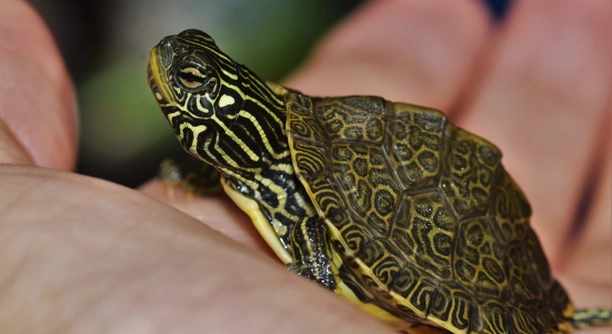
Map turtles are fascinating creatures, but sometimes, their eggs end up being infertile. Understanding why this happens can give us insights into their reproductive habits and help us take better care of them in captivity.
Infertile eggs in map turtles often result from a combination of environmental factors, such as temperature and stress, or genetic issues that affect the fertility of the eggs. These factors can disrupt the reproductive cycle and lead to empty eggs.
Understanding the reasons behind infertility in map turtles can help improve breeding conditions and support their health and survival. Keep reading to learn more about how various factors impact their egg development.
Why Do Map Turtles Lay Infertile Eggs?
When map turtles lay infertile eggs, it’s often because of environmental conditions or genetic factors. Female turtles may produce eggs that aren’t fertilized if they haven’t mated or if their mate’s sperm wasn’t viable. Temperature plays a huge role as well. If the nest is too warm or too cold, it can disrupt the egg’s development and make it infertile. Stress is another factor that can influence a turtle’s reproductive system, leading to an inability to produce viable eggs.
Eggs can also be infertile due to poor health or improper nutrition in the female. These issues can affect the turtle’s ability to produce healthy, fertilized eggs. It’s essential to maintain proper care and diet for female turtles to ensure they have the best chance at laying fertile eggs.
Female map turtles sometimes produce eggs even if they haven’t mated. This is a common occurrence in many turtle species, and the eggs will not hatch. The occurrence of these unfertilized eggs can be linked to the turtle’s biological cycle.
How Does Temperature Impact Egg Fertility?
Temperature plays a crucial role in whether map turtle eggs become fertile or not. Map turtles lay their eggs in nests that are buried in sand or soil, which can warm up or cool down depending on the weather. If the temperature is too high or low, it can negatively affect the eggs, preventing proper development.
Eggs laid in nests with fluctuating temperatures may not develop properly. For map turtles, certain temperature ranges are required for fertilization and successful hatching. If the nest is too warm, the eggs might be doomed to remain infertile. In contrast, eggs laid in cooler conditions can also suffer from improper development, leading to infertility.
Temperature isn’t just about how hot or cold it is but also how stable the conditions are. If a turtle’s nesting site changes temperature too drastically, it can alter the internal conditions of the eggs. This could lead to infertility as the eggs fail to mature or develop properly.
Stress and Its Effect on Fertility
Stress can significantly impact a map turtle’s ability to produce healthy eggs. Female turtles may lay infertile eggs when they are under stress. Stress can come from various factors, such as inadequate living conditions, overcrowding, or sudden changes in their environment.
Stress disrupts the turtle’s reproductive cycle by affecting hormone levels. This can lead to a situation where the turtle lays eggs that are not fertilized. It’s important to create a peaceful and stable environment for the turtle to prevent this from happening. Stress can cause other health issues as well, so reducing stress is crucial to maintaining their overall well-being.
Map turtles are sensitive to their surroundings. Keeping them in a safe, calm habitat can reduce the chances of infertility. Stress from being in captivity or even exposure to predators can cause hormonal imbalances, affecting egg development. A stress-free environment is key to supporting healthy reproduction.
Diet and Health Impact Egg Fertility
A proper diet is essential to a female map turtle’s reproductive health. If she is not getting enough of the right nutrients, it can affect her ability to produce viable eggs. Nutritional deficiencies can prevent the eggs from being fertilized, even if mating occurs.
Map turtles need a balanced diet rich in calcium, protein, and vitamins. These nutrients are vital for the development of healthy eggs. Without proper nutrition, the eggs may fail to develop or become infertile. Female map turtles that are malnourished may struggle with egg production, which is why feeding them the right foods is important.
Maintaining a healthy diet for female map turtles goes beyond providing just food; it involves ensuring they get a variety of nutrients necessary for their reproductive health. Feeding them a well-rounded diet helps ensure that the eggs they produce have the best chance of being fertile.
The Role of Mating
Mating plays an important role in the fertility of map turtle eggs. If a female doesn’t mate, the eggs she produces won’t be fertilized. Mating typically occurs before she lays eggs, allowing fertilization to happen inside her body.
For successful reproduction, it’s crucial for the female to mate with a male whose sperm is viable. If mating doesn’t happen, the female may still lay eggs, but they will be infertile. Sometimes, mating failure can be due to timing or physical issues, making it vital to observe and ensure proper mating occurs.
Genetic Factors Affecting Fertility
Genetics also influence the fertility of map turtle eggs. In some cases, genetic disorders or weaknesses in the reproductive system can prevent successful fertilization, even if the conditions are right. These issues may arise from inherited traits that affect egg viability.
When genetic issues are involved, infertility may occur despite perfect environmental conditions. Some turtles may not be able to produce fertilized eggs because of internal reproductive problems that are beyond external control. It’s a good idea to assess the genetics of breeding turtles to prevent fertility issues.
FAQ
Why do map turtles lay infertile eggs?
Map turtles may lay infertile eggs due to various factors such as lack of mating, environmental stress, temperature issues, or poor health. If the female turtle doesn’t mate, the eggs won’t be fertilized. Inadequate temperatures or stress can also disrupt the reproductive process. A lack of proper nutrition can lead to infertility as well.
Can map turtles lay eggs without mating?
Yes, female map turtles can lay eggs even if they haven’t mated. These eggs will not hatch because they are not fertilized. This is a common occurrence in many turtle species, and it’s linked to the female’s biological cycle, where she may produce eggs regardless of mating.
How can I tell if map turtle eggs are fertile?
The easiest way to determine if map turtle eggs are fertile is through candling. By shining a bright light through the eggs, you may be able to see if there’s any development inside. Fertilized eggs usually show signs of development, while infertile ones appear clear.
What temperature is best for map turtle egg development?
Map turtle eggs require a stable temperature to develop properly. The ideal temperature range for incubation is typically between 75°F and 85°F (24°C to 29°C). Temperatures outside this range can cause eggs to become infertile or fail to hatch, so keeping the environment consistent is essential.
Can poor diet affect the fertility of map turtles?
Yes, a poor diet can significantly impact the fertility of map turtles. If a female turtle is not receiving the proper nutrients, including calcium, protein, and vitamins, it can lead to problems with egg development. Nutritional deficiencies can cause eggs to become infertile or result in poor hatch rates.
Is stress a major factor in infertility?
Stress is a significant factor that can affect the fertility of map turtles. Stress can result from changes in their environment, overcrowding, improper habitat conditions, or even from predators. When stressed, a female turtle’s reproductive cycle can be disrupted, leading to infertility or the production of unfertilized eggs.
Do map turtles need a mate to lay eggs?
While map turtles don’t need a mate to lay eggs, they do need one for the eggs to be fertilized. A female may still lay eggs even if she hasn’t mated, but without mating, the eggs will not hatch. Mating must occur before egg-laying for successful fertilization.
How long does it take for map turtle eggs to hatch?
Map turtle eggs typically take about 60 to 120 days to hatch, depending on the environmental conditions such as temperature and humidity. Warmer temperatures generally speed up the hatching process, while cooler temperatures may slow it down. The eggs will hatch when the time is right, and the baby turtles will emerge from the nest.
Can map turtles lay eggs without mating in captivity?
Yes, female map turtles in captivity can lay eggs even if they have not mated. This is similar to what happens in the wild, where the female may produce eggs as part of her reproductive cycle. These eggs, however, will not be fertilized without a male turtle.
How can I prevent map turtle infertility?
To reduce the chances of infertility, provide map turtles with a stress-free environment, maintain a stable and proper temperature range, and ensure they have a nutritious diet. Mating should also occur if you want fertilized eggs, so ensure that males and females are properly paired.
Final Thoughts
Understanding why map turtles sometimes lay infertile eggs is important for anyone who keeps them as pets or is involved in breeding. Many factors contribute to this issue, including temperature, stress, diet, and genetics. By providing a stable and calm environment, you can help reduce some of these factors that might lead to infertility. In addition, proper nutrition and the right conditions for mating can go a long way in supporting healthy egg production.
While map turtles can lay eggs without mating, it’s essential to realize that these eggs will not hatch unless fertilized. This is a natural part of their reproductive cycle. In some cases, even if the eggs are fertilized, environmental factors such as temperature can still affect their development. A balance of good care and proper breeding conditions is key to ensuring that the eggs laid are viable and have the chance to hatch.
If you’re keeping map turtles as pets and want to breed them, it’s crucial to understand the full range of factors that influence egg fertility. From providing the right nesting conditions to ensuring your turtles are healthy and stress-free, you can significantly increase the chances of successful egg fertilization and hatching. Remember, fertility issues in map turtles are not always due to a single factor. It’s a combination of conditions that will either support or hinder their ability to reproduce effectively. With the right care, you can help these fascinating creatures thrive and possibly see the next generation of map turtles.

Hello,
If you enjoy the content that we create, please consider saying a "Thank You!" by leaving a tip.
Every little bit helps us continue crafting quality advice that supports the health, happiness, and well-being of pets around the world, for pets of all shapes, sizes, and species.
We really appreciate the kindness and support that you show us!