
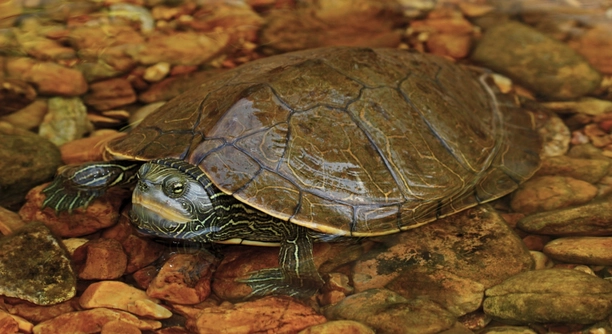
Introducing a new turtle to your Map Turtle tank requires careful consideration. It’s important to understand the steps involved to ensure a smooth transition for both the new turtle and the existing ones.
To introduce another turtle to a Map Turtle tank, begin by acclimating the new turtle in a separate space. Gradually introduce them into the main tank to minimize aggression. Monitor the interaction closely for any signs of territorial behavior.
Understanding the right methods for introducing another turtle can make the process easier. This will help you ensure a peaceful coexistence in your tank.
Preparing for the Introduction
When adding a new turtle to your Map Turtle tank, preparation is key. Start by ensuring the tank is large enough to accommodate both turtles comfortably. If it’s a small tank, overcrowding could lead to stress and aggression. A 75-gallon tank is recommended for two Map Turtles, providing ample space to swim and bask. The water quality should be excellent, with a reliable filtration system in place to maintain cleanliness. Temperature and lighting also play a role in the turtles’ overall health. Make sure the tank is equipped with proper UVB lighting and a heating system to maintain the right environment. Before introducing the new turtle, ensure both turtles are healthy and free of any infections. This prevents the risk of spreading diseases.
You should also consider the personalities of both turtles. Some may be more territorial than others, which can impact the introduction process.
Acclimating the New Turtle
Acclimating the new turtle to the tank is crucial. Keep it in a separate tank or a quarantine area for about two weeks before the introduction. This gives the new turtle time to adjust and ensures it’s free of illness. Gradually introduce it to the main tank, starting with short sessions. Monitor the turtles closely during the process.
Once the turtles are in the same tank, observe their behavior. You may notice one turtle acting aggressively toward the other. In this case, separating them temporarily and reintroducing them after some time can help. It’s important not to rush the process. A slow and controlled introduction will make the transition smoother. Make sure to keep the tank enriched with hiding spots and basking areas to reduce stress. Adding extra space and resources can prevent territorial behavior and provide the turtles with more options to explore.
Observing Their Behavior
Keep an eye on both turtles after they are introduced. Signs of stress, such as hiding or excessive swimming, could indicate that they need more time to adjust. Some mild aggression may happen at first, but it should subside as they get used to each other. However, if the aggression continues, further separation may be necessary.
Watch for specific behaviors, like one turtle constantly chasing the other or blocking access to food. These are clear signs of territorial disputes. If this happens, consider placing a barrier in the tank temporarily. It helps reduce conflict and gives them space to get comfortable with each other. Keep the environment calm and undisturbed during this adjustment phase. This will help them gradually accept each other and coexist peacefully. Patience and observation are essential in this process.
Tank Setup for Harmony
To keep the environment calm, make sure the tank has enough hiding spots for both turtles. This provides a sense of security and gives them space if they feel threatened. Rocks, logs, or plants are great additions. These items offer both shelter and opportunities for exploration.
Create distinct areas for basking, feeding, and swimming. This helps prevent competition and provides each turtle with their own space. By setting up the tank thoughtfully, both turtles can enjoy their time without feeling crowded or threatened. Make sure to clean the tank regularly to maintain the best water quality. Poor water conditions can lead to stress and health problems for the turtles, further complicating the introduction process. Regular maintenance ensures a safe and comfortable environment for both turtles.
Feeding and Food Management
Proper food distribution is essential when introducing another turtle. Ensure that both turtles have access to enough food without feeling the need to compete. You can do this by feeding them in separate areas or using multiple feeding stations. Monitor their eating habits closely.
If one turtle is particularly dominant, it may try to guard the food. In this case, feeding them at different times or placing barriers between them can help. Gradually, as they become more comfortable with each other, food-related aggression should decrease. The goal is to make sure both turtles receive their fair share.
Maintaining Water Quality
Water quality is crucial when introducing another turtle. If the water becomes dirty quickly due to the increased bioload, it could stress both turtles. A powerful filtration system will be necessary to handle the extra waste. Clean water helps maintain a healthy environment for both turtles to thrive.
To ensure the water stays clean, perform regular water changes. Keep track of the water parameters, such as temperature, pH, and ammonia levels. A stable, clean environment reduces stress and promotes overall health. This is especially important as the turtles adjust to their new shared space.
FAQ
How long does it take for turtles to adjust to each other?
The time it takes for turtles to adjust to each other depends on the individual turtles. Typically, it can take anywhere from a few days to a few weeks. During this time, they may display territorial behavior, but with patience, they will gradually get used to each other. Keep an eye on them, as continued aggression may require additional separation.
What should I do if my turtles fight?
If your turtles start fighting, separate them immediately to prevent injuries. After a few days, reintroduce them slowly. Use a divider in the tank to give them time to adjust to each other’s presence without direct contact. If the fighting persists, it may be necessary to consider a larger tank or a different setup.
Can Map Turtles live with other types of turtles?
Map Turtles can live with other species of turtles, but compatibility depends on the other turtle’s temperament. Some turtles are more territorial, which can cause problems. It’s essential to monitor behavior closely, especially during the introduction phase, and ensure there’s enough space and hiding spots to prevent conflicts.
Should I feed the turtles separately during the introduction phase?
Yes, it’s a good idea to feed the turtles separately during the introduction phase. This ensures that one turtle doesn’t dominate the food. Separate feeding also reduces stress and allows each turtle to eat comfortably without competition. Gradually, as they adjust, you can feed them together.
How do I know if my tank is too small for two turtles?
If your tank is too small for two turtles, you may notice signs of stress like excessive swimming, hiding, or aggressive behavior. The general rule is that you need 10 gallons of tank space per inch of turtle shell. If you have two Map Turtles, a 75-gallon tank is the minimum recommended size.
What are the signs of stress in turtles?
Signs of stress in turtles include rapid swimming, excessive hiding, loss of appetite, and aggression. Turtles may also start basking more than usual or refuse to bask altogether. If these signs are observed, it’s essential to assess the tank environment and make any necessary adjustments, such as increasing space or improving water quality.
Can I introduce a juvenile turtle to an adult Map Turtle?
Introducing a juvenile turtle to an adult Map Turtle can be tricky. Adults may be more territorial, and there’s a risk of the adult becoming aggressive. It’s essential to monitor their interactions closely. Providing plenty of space, hiding spots, and separate feeding areas will help ease the transition.
How can I prevent aggression between my turtles?
To prevent aggression, ensure that both turtles have plenty of space. A larger tank with multiple basking spots and hiding areas is key. Separate feeding stations can also reduce food-related aggression. Monitoring behavior is crucial, and if one turtle is overly aggressive, temporarily separating them might be necessary.
What should I do if my turtles are not getting along?
If your turtles are not getting along, separate them and try reintroducing them later. Ensure that the tank is large enough and has enough resources to accommodate both. Sometimes, dividing the tank temporarily can give both turtles the space they need. Keep a close eye on them until they are comfortable.
How can I tell if my turtles are bonding or just tolerating each other?
If your turtles are bonding, they may bask near each other or swim together. However, if they are just tolerating each other, they will likely avoid direct contact. Look for signs of mutual respect, such as sharing basking spots or swimming in the same area without aggression.
Do I need to worry about mating behavior?
If you have two turtles of opposite genders, you may notice mating behavior. While this is natural, it can also cause stress, especially if the female doesn’t want to mate. If you see signs of aggression or distress during mating behavior, provide more space and hiding spots for the female.
Final Thoughts
Introducing another turtle to a Map Turtle tank requires careful planning and patience. It’s important to consider the size of the tank and the personalities of both turtles. A larger tank with enough hiding spots and basking areas can help ease the transition. When introducing them, make sure to monitor their behavior closely. If any aggression or stress is observed, it’s best to separate them temporarily and try again later. This will give them time to adjust to each other’s presence without feeling threatened.
Water quality is another crucial factor in ensuring a smooth introduction. Turtles are sensitive to changes in their environment, and poor water conditions can lead to stress and health problems. A good filtration system is necessary to maintain clean water, especially when there is an increase in waste. Regular water changes and monitoring the temperature and pH levels will help create a stable environment. This allows both turtles to thrive and reduces the risk of conflicts.
Patience is key when introducing new turtles. It may take some time for them to adjust to each other, and some territorial behavior is normal. By providing enough space, maintaining water quality, and keeping a close eye on their interactions, you can help ensure a peaceful coexistence. With time, your turtles should become more comfortable with each other, leading to a harmonious environment for both. If aggression continues, it may be necessary to consider other options, such as a separate tank for each turtle. Ultimately, the goal is to create a safe and healthy home for your turtles.

Hello,
If you enjoy the content that we create, please consider saying a "Thank You!" by leaving a tip.
Every little bit helps us continue crafting quality advice that supports the health, happiness, and well-being of pets around the world, for pets of all shapes, sizes, and species.
We really appreciate the kindness and support that you show us!