
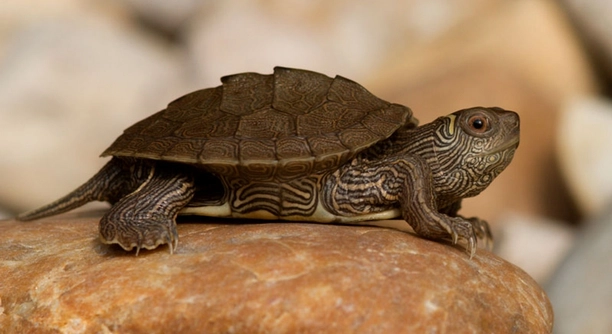
Map turtles require a proper diet for their health, but recognizing the signs of dietary imbalance can be challenging. Over time, small changes may indicate the need for adjustments to their feeding routine.
Dietary imbalances in map turtles often manifest in changes to their behavior, physical condition, or activity levels. Common signs include weight loss, lack of appetite, or sluggishness, which may signal the need for dietary improvements.
Understanding these key indicators can help ensure your map turtle stays healthy. Adjusting their diet will support their long-term well-being.
A Lack of Variety in Their Diet
Feeding your map turtle the same food consistently can result in nutritional gaps. They require a varied diet to meet all their dietary needs, including protein, fiber, vitamins, and minerals. A lack of variety can cause deficiencies or health problems over time. While they may enjoy the same foods daily, offering them a broader range of options is essential for their well-being. Providing a mix of vegetables, fruits, and protein sources, such as fish or insects, will help ensure they get the nutrients they need.
Turtles that are not getting a variety of foods may show signs like lethargy or poor shell growth. These symptoms can indicate that their body is not getting the necessary nutrients. A balanced diet is key to preventing these issues.
Introducing new foods into their diet might seem difficult at first, but it’s worth the effort. Consider including leafy greens like kale or dandelion, or offering live food like earthworms. Experimenting with different textures and tastes can keep them engaged and healthy.
Overfeeding or Underfeeding
Map turtles can be prone to overfeeding, especially if they have access to food throughout the day. Overfeeding can cause obesity, which puts strain on their organs and reduces their lifespan. On the other hand, underfeeding can result in malnutrition. Ensuring they receive the proper portions at regular intervals is crucial. You should feed your map turtle based on their size and age to avoid these risks.
Map turtles can develop health issues if they are consistently overfed or underfed. Too much food can lead to excessive weight gain, while insufficient food can lead to weakness and stunted growth. Keeping track of their feeding habits is necessary to maintain balance.
Too Much Processed Food
Processed foods are not ideal for map turtles. They may be convenient, but they lack the necessary nutrients found in fresh foods like vegetables or live prey. These foods can be high in additives and preservatives, which can lead to health problems in the long run. Relying on processed food too often can cause imbalances in your turtle’s diet, leading to issues like poor shell development or weakened immune systems.
Map turtles, like other reptiles, require a diet rich in fresh, whole foods. Live food such as insects and small fish provide essential proteins that help them grow strong and stay active. Fresh vegetables like collard greens and carrots also give them the vitamins and minerals they need for healthy digestion and overall health. By offering them these whole foods, you provide the best foundation for their well-being.
Although processed foods might seem easier, they’re not a substitute for fresh options. Regularly offering fresh, natural foods will ensure your map turtle gets the nutrients it needs. This can help avoid health complications, support their energy levels, and keep them thriving.
Inadequate Calcium Intake
Calcium is vital for map turtles to maintain a healthy shell and bones. Without sufficient calcium, they may develop soft shells or other skeletal problems. If you’re not supplementing their diet with calcium-rich foods or supplements, this could be a sign your turtle’s diet needs attention. Turtles should be given foods like leafy greens, and you may also need to add a calcium supplement to their meals.
Map turtles absorb calcium from their diet and from UVB light, which helps in the production of vitamin D3. If they aren’t receiving enough calcium, it can lead to conditions like metabolic bone disease (MBD). MBD is a painful condition that can cause deformities and affect their movement. Providing the right foods, such as calcium-rich vegetables and calcium supplements, will support your turtle’s bone health and overall well-being.
If you notice that your map turtle’s shell is soft or deformed, calcium deficiency could be the cause. Adjusting their diet by introducing more calcium-rich foods and possibly adding a supplement will help improve their condition. Regular exposure to UVB light will also enhance calcium absorption and promote better health.
Lack of Protein
Map turtles need protein to maintain strong muscles and healthy growth. If they aren’t receiving enough protein from their diet, they may become weak and lethargic. Protein-rich foods, such as fish, worms, and insects, should be part of their diet.
A diet lacking in protein can also affect their immune system, making them more susceptible to diseases. Offering a variety of protein sources helps to meet their needs and keep them healthy. Make sure you provide fresh, high-quality protein regularly to promote strength and energy.
Not Enough Vegetables
Map turtles require a mix of vegetables for a balanced diet. If they’re not eating enough greens, they may not get the necessary vitamins and minerals. Leafy greens like collard greens, dandelion, and kale are excellent choices.
Feeding a variety of vegetables ensures your map turtle gets the nutrients it needs. Fresh veggies help boost their immune system, support digestion, and prevent shell problems. Offering vegetables alongside protein-rich foods gives them a complete, healthy diet. Make sure to switch up the vegetables for variety.
FAQ
How often should I feed my map turtle?
Map turtles should be fed regularly, typically once a day or every other day depending on their age. Young turtles need to eat more frequently due to their growth rate, while adult turtles may require less food. Monitor their weight and adjust feeding schedules based on their needs.
What should I feed my map turtle?
Map turtles thrive on a varied diet. They require protein sources such as small fish, worms, and insects. Vegetables like kale, collard greens, and dandelion should be offered regularly to provide essential vitamins and minerals. Mixing up their food ensures they get a balanced diet.
Can I feed my map turtle just pellets?
Pellets can be a part of your turtle’s diet but should not be the sole source of food. They lack the variety and nutritional value found in fresh foods. Offering a mix of vegetables, protein, and pellets is the best way to ensure your map turtle stays healthy.
What kind of protein should I feed my map turtle?
Map turtles require protein from high-quality sources like fish, worms, and insects. You can also offer shrimp, crickets, and snails. These protein-rich foods support growth and energy. Fresh, live food is ideal for your turtle’s well-being, while frozen options can be used when necessary.
How do I know if my map turtle is getting enough calcium?
Signs of calcium deficiency include a soft shell, abnormal shell growth, or lethargy. To ensure your turtle is getting enough calcium, provide calcium-rich foods like leafy greens and calcium supplements. UVB lighting also helps turtles absorb calcium, supporting strong bones and shell health.
Can I feed my map turtle fruit?
Fruit can be a treat for your map turtle but should not be a primary part of their diet. Offer fruit like strawberries, blueberries, and melon occasionally to add variety and natural sugars. Too much fruit can upset their digestive system or lead to unhealthy weight gain.
How do I balance my map turtle’s diet?
To balance your turtle’s diet, offer a mix of protein, vegetables, and occasional fruits. Fresh leafy greens should make up a significant portion of their diet, with protein sources provided a few times a week. Regularly rotate the types of vegetables and proteins to avoid deficiencies.
Should I provide supplements for my map turtle?
Supplements can be helpful, particularly for calcium and vitamin D3. If your turtle is not getting enough calcium from its diet, consider adding a calcium supplement. Vitamin D3 supplements may also be necessary if your turtle doesn’t get sufficient UVB exposure. Always consult a vet for advice on supplements.
Can map turtles eat commercial turtle food?
Commercial turtle food can be convenient, but it should only be a small part of their diet. It often lacks the variety and nutrition of fresh, natural food sources. Use it as a supplement, not as the main food source, to ensure your turtle receives all the essential nutrients it needs.
What signs indicate that my map turtle’s diet is poor?
Signs of a poor diet include sluggishness, shell deformities, weight loss, or lack of appetite. These symptoms may indicate that your map turtle is not receiving enough nutrition or has an imbalance in its diet. Adjusting their food offerings to include more variety and nutrient-dense foods can improve their health.
Can I feed my map turtle vegetables every day?
Yes, vegetables should be a daily part of your map turtle’s diet. Offer a variety of leafy greens, such as kale, dandelion, and collard greens. These provide essential vitamins and minerals that support their immune system, digestion, and overall health. Rotate different vegetables to keep them interested.
How do I prevent my map turtle from becoming overweight?
To prevent obesity, control the portions you feed and avoid overfeeding your map turtle. Offer appropriate amounts of protein, vegetables, and occasional treats. Regularly monitor their weight and adjust their feeding schedule based on their activity level. Avoid overfeeding high-calorie foods, such as fruit or fatty fish.
Should I feed my map turtle live or frozen food?
Both live and frozen foods can be used, but live food is generally better as it encourages natural hunting and activity. Live insects or fish are more stimulating for your turtle. However, frozen foods can be convenient and still provide valuable nutrition if thawed and offered in moderation.
Can map turtles eat worms?
Yes, worms are a great protein source for map turtles. You can offer earthworms, mealworms, or waxworms. These foods are high in protein and help promote strong muscles and healthy growth. Be sure to feed them in moderation and ensure that the worms are from a safe, pesticide-free source.
Final Thoughts
Map turtles require a balanced diet that includes a mix of protein, vegetables, and occasional fruits. Protein is essential for their growth and energy, with options like fish, worms, and insects being the best sources. Fresh vegetables like kale, dandelion, and collard greens provide important vitamins and minerals for overall health. Offering variety in their diet helps ensure that they get the nutrients they need to thrive. The right balance between protein and vegetables is key to keeping them active and healthy.
In addition to a varied diet, calcium is crucial for their shell health and bone strength. Map turtles are prone to shell issues if they don’t get enough calcium, so it’s important to offer calcium-rich foods and supplements when necessary. Providing UVB lighting is also vital for calcium absorption. This lighting mimics natural sunlight, allowing turtles to metabolize calcium effectively. Without proper UVB exposure, they may develop shell deformities and other health problems. A consistent diet that includes protein, vegetables, and calcium will support their long-term well-being.
Monitoring your turtle’s weight and behavior can help you identify early signs of dietary problems. If your map turtle is becoming lethargic, losing weight, or showing signs of poor shell health, these may be indications that their diet needs adjustment. Providing fresh, varied food options and ensuring they have a proper calcium intake is crucial. Adjusting their feeding schedule and portion sizes according to their age and activity level will help keep them in good shape. With the right care, your map turtle will remain healthy and active for years to come.

Hello,
If you enjoy the content that we create, please consider saying a "Thank You!" by leaving a tip.
Every little bit helps us continue crafting quality advice that supports the health, happiness, and well-being of pets around the world, for pets of all shapes, sizes, and species.
We really appreciate the kindness and support that you show us!