
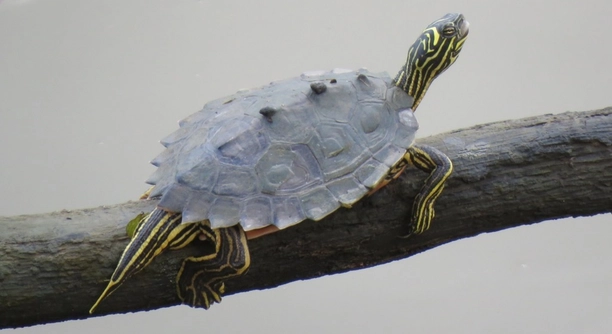
Turtles are fascinating creatures, and their hibernation process is an essential part of their natural behavior. Recognizing the signs that your map turtle is ready to hibernate is crucial for ensuring its well-being during this period.
When a map turtle is preparing for hibernation, several physical and behavioral changes occur. These include a decrease in appetite, reduced activity levels, and a preference for cooler water temperatures. Observing these signs helps ensure your turtle’s health through the hibernation season.
By noticing these signals, you can properly support your turtle during this transition. Understanding when and how to help your map turtle prepare for hibernation is key to keeping it healthy and comfortable.
Understanding Map Turtle Hibernation
Map turtles are cold-blooded, so their bodies rely on external temperatures to regulate their activity. When the weather cools down, they naturally prepare to hibernate. This means slowing down and seeking cooler, calmer water. Their instinct to hibernate kicks in, signaling their need for rest during the colder months. This rest period is vital for their survival, and understanding when it’s time to support them is key. By recognizing early signs, you can provide the right environment for a successful hibernation experience.
The hibernation period is crucial for their health. Turtles that don’t hibernate properly may become stressed, weakened, or even sick.
When your map turtle is ready to hibernate, it will display signs such as a reduction in feeding. It will become less interested in eating and spend more time resting in one spot. A noticeable decrease in their energy levels is another indication. They may become less active and choose a quiet, secluded area in their tank. This behavior is normal as they begin to enter a state of dormancy. Understanding these cues is important for adjusting their care accordingly.
Temperature Changes and Their Effect
Map turtles are sensitive to water temperatures. If the water temperature in their tank starts to drop, it can trigger hibernation behaviors. When the temperature is too low, your turtle’s metabolism slows down, leading to reduced activity. This decrease in temperature is a natural signal for your map turtle to start preparing for its winter rest. Ensure the water temperature is consistent with the natural seasonal shifts to prevent stressing your turtle.
If the water is too warm, it can disrupt their hibernation cycle, leaving them in a state of confusion or discomfort.
Keeping your map turtle’s environment as close to its natural habitat as possible will make the transition smoother. By reducing the water temperature gradually, you’re signaling to your turtle that it’s time to slow down. It’s also essential to ensure that the tank stays clean and has a stable temperature range. A consistent environment helps your turtle feel secure enough to rest and hibernate without unnecessary stress. Avoid sudden changes in the tank’s setup, as it can cause anxiety or prevent them from settling into hibernation.
Reduced Appetite
Map turtles will eat much less or even stop eating altogether as they prepare for hibernation. This is completely normal. Their metabolism slows down as they become less active, making food less of a priority. If you notice your turtle refusing food, it’s a clear sign that it might be getting ready to hibernate.
If your turtle is not eating, don’t worry unless it persists for too long. Typically, as their body temperature decreases, so does their need for food. It’s important to stop feeding them if they’re not showing interest, as leaving food in the tank could lead to water contamination.
It’s best to stop offering food a few weeks before you expect hibernation to begin. This ensures your turtle’s system empties and prepares for the dormancy period. If your turtle starts eating again, it may not be ready for hibernation just yet, so observe the signs closely.
Inactivity and Resting Behavior
A map turtle preparing for hibernation will often become inactive and spend most of its time resting. This behavior is a sign that the turtle is conserving energy and getting ready to enter a dormant state. It will spend less time swimming and more time in one spot, especially in the colder areas of its tank.
As temperatures drop, your turtle may seek cooler parts of the tank, preferring the shady, deeper areas. This is natural as they instinctively search for an ideal environment to hibernate. It’s essential to let your turtle rest in peace, as disrupting their behavior could prevent them from successfully transitioning into hibernation.
During this time, it’s important to provide a quiet and stable environment. Excessive movement or handling can disturb their rest and potentially cause stress. Allowing your map turtle to stay undisturbed in its preferred location will help it enter hibernation comfortably.
Decreased Activity in the Tank
If your map turtle is swimming less or not moving much, it’s likely preparing for hibernation. Reduced activity is a clear sign that the turtle’s body is adjusting to the lower temperatures, conserving energy for the months ahead. This is a typical behavior before entering dormancy.
Your turtle may spend a lot of time resting at the bottom of the tank, showing less interest in moving around. The lack of activity can also be a response to cooler water. If you notice this behavior, it’s important to ensure the water temperature is appropriate for their natural hibernation cycle.
Seeking Seclusion
During the pre-hibernation period, map turtles tend to look for more secluded spots in their habitat. They may hide in the tank’s corners or settle in darker, more quiet areas. This instinct helps them find a safe, calm spot for resting.
It’s crucial to respect this behavior by ensuring the turtle’s environment is not disturbed. Avoid rearranging the tank or adding new elements that could stress them out. Letting them choose a quiet space to rest will allow for a smoother transition into hibernation.
Temperature Control and Monitoring
Keeping the water temperature steady is vital. A drop in temperature will signal the turtle to prepare for hibernation. However, extreme temperature shifts can cause stress. It’s important to monitor the temperature regularly and make adjustments as needed to ensure the turtle’s health during the process.
FAQ
How long does a map turtle hibernation last?
The length of hibernation can vary, but typically, a map turtle will hibernate for about 2 to 4 months. This depends on environmental factors like water temperature and the turtle’s individual needs. In colder climates, they may hibernate longer, while in milder conditions, it could be shorter. It’s essential to monitor your turtle’s behavior to make sure it’s entering hibernation at the right time and for the appropriate duration. Avoid disturbing them during this period to help them maintain a steady dormancy.
Should I stop feeding my turtle before hibernation?
Yes, it’s a good idea to stop feeding your map turtle about 2 weeks before you expect hibernation to begin. This allows their digestive system to empty and prepares them for the dormant state. During this time, they are likely to lose interest in food as their metabolism slows down. Offering food after they show no interest may cause it to rot and contaminate the water, which can harm the tank environment.
Can I wake my map turtle during hibernation?
It’s generally not recommended to wake your turtle during hibernation unless it’s absolutely necessary. Waking them up can disrupt their natural hibernation cycle, which may cause stress and lead to health problems. If you must wake them, it’s important to ensure that you do so gently and provide a warm, comfortable environment. This is typically only needed in cases of illness or unusual behavior.
What temperature should I keep the water at for hibernation?
For map turtles preparing to hibernate, the water temperature should ideally be between 50°F to 60°F (10°C to 15°C). Colder temperatures help signal to the turtle that it’s time to rest. However, it’s important not to drop the temperature too quickly or drastically, as sudden changes can cause stress. Use a reliable thermometer to monitor the water and ensure it remains stable throughout the hibernation period.
Can map turtles hibernate in their tank?
Yes, map turtles can hibernate in their tank, but it’s important to create an environment that mimics the conditions they would experience in the wild. This means lowering the water temperature and providing areas for the turtle to rest undisturbed. It’s also essential to ensure the tank is clean, as poor water quality can affect the turtle’s health during hibernation. If you’re unsure whether your tank is suitable, consider consulting a vet or turtle expert for advice on creating the ideal conditions.
Is hibernation dangerous for my map turtle?
Hibernation itself is a natural and essential process for map turtles, but it can be dangerous if not managed properly. If the water temperature is too warm, the turtle may become stressed or fail to enter hibernation. On the other hand, if the temperature is too cold or fluctuates too much, it can cause health issues. To avoid problems, ensure that your turtle enters hibernation only when it’s truly ready and that its environment is stable and suitable for the process.
How do I know when my map turtle is ready to hibernate?
Signs that your map turtle is ready to hibernate include a noticeable decrease in appetite, reduced activity, and a preference for cooler water. They will often become more reclusive and rest more frequently, usually in the deeper, cooler parts of their tank. Once these behaviors are observed, it’s essential to lower the water temperature gradually to encourage the hibernation process.
Should I adjust the light in my turtle’s tank during hibernation?
Yes, you should adjust the lighting in your turtle’s tank during hibernation. Map turtles rely on the natural light cycle to regulate their biological clock. Reducing the amount of light can help signal to your turtle that it’s time to prepare for hibernation. Keep the light on for shorter periods each day and make sure the tank is relatively dim. This mimics the shorter days of winter, which is a natural cue for hibernation.
What happens if my map turtle doesn’t hibernate?
If your map turtle doesn’t hibernate, it could lead to stress, weight loss, and health problems. Hibernation is crucial for their overall health, as it allows their bodies to rest and recharge. A failure to hibernate may indicate environmental issues, such as the water temperature being too warm or their tank setup being disrupted. It’s essential to create the proper conditions to encourage hibernation, but if your turtle resists or seems unhealthy, consulting a vet is a good idea.
Can I handle my map turtle during hibernation?
It’s best to avoid handling your map turtle during hibernation. At this time, they are in a dormant state, and disturbance can cause stress or disrupt the process. If handling is necessary for health checks, it should be done gently and only when absolutely required. Minimizing stress is key to ensuring a successful hibernation period for your turtle.
Is it normal for my map turtle to lose weight during hibernation?
Yes, it’s normal for map turtles to lose some weight during hibernation, as their metabolism slows down and they don’t eat. However, this weight loss should be minimal. If you notice significant weight loss before hibernation or if your turtle appears unhealthy, it’s important to consult with a vet. Ensuring your turtle is healthy before hibernation is crucial for a safe and effective rest period.
Final Thoughts
Hibernation is an essential part of a map turtle’s life cycle. It’s important to recognize the signs that your turtle is ready to hibernate, such as reduced appetite, decreased activity, and seeking out cooler areas in the tank. By understanding these behaviors, you can prepare your turtle’s environment and ensure it’s ready for the rest period. It’s also important to monitor the water temperature and reduce feeding gradually to help them transition into hibernation. A stable and quiet environment will help your turtle rest and recover properly.
While hibernation may seem concerning, it’s a natural process that helps map turtles stay healthy and energized for the next active season. When managed correctly, hibernation allows them to conserve energy and stay in good health. However, it’s essential to avoid sudden changes in the tank environment or temperature, as this can cause stress or disrupt the hibernation process. Providing a clean, quiet tank and monitoring temperature closely will ensure a smooth and safe hibernation period for your turtle.
Remember that every turtle is different. Some may enter hibernation earlier or later than others, and the length of their rest period can vary. It’s important to observe your turtle’s behavior and adjust its care as needed. If you notice any unusual signs or if your turtle appears unhealthy, don’t hesitate to consult a vet. Hibernation is a natural process, but the right care and environment are essential for your map turtle to thrive during this time. With proper preparation, you can ensure that your turtle enters and emerges from hibernation healthy and strong.

Hello,
If you enjoy the content that we create, please consider saying a "Thank You!" by leaving a tip.
Every little bit helps us continue crafting quality advice that supports the health, happiness, and well-being of pets around the world, for pets of all shapes, sizes, and species.
We really appreciate the kindness and support that you show us!