
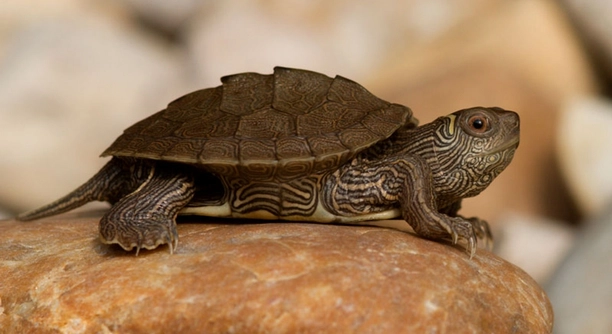
The Black-Knobbed Map Turtle is a fascinating species found in North America, known for its striking appearance and unique behavior. This turtle has captured the interest of many wildlife enthusiasts and researchers alike.
The Black-Knobbed Map Turtle is distinguished by its dark, spiky knobs on the top of its shell. These features, along with its preference for river habitats, make it an intriguing subject for study and conservation efforts.
The Black-Knobbed Map Turtle’s habitat and physical traits set it apart from other turtles. Understanding these factors gives insight into the species’ distinctiveness and its role in the ecosystem.
Physical Characteristics of the Black-Knobbed Map Turtle
The Black-Knobbed Map Turtle is named for the distinctive knobs that appear on its shell, a feature that sets it apart from other turtles. These knobs are located along the back edge of the carapace and can be seen clearly in adult turtles. The shell itself has a dark, olive to brown color, with lighter markings resembling a map, giving the turtle its “map” part of the name. Its long, slender neck and small head make it easily recognizable, while the underside of its shell, or plastron, is pale yellow with a few dark spots. These markings help camouflage the turtle in its river habitat, where it spends much of its time.
The Black-Knobbed Map Turtle’s overall shape allows it to easily navigate through water. Its powerful legs are equipped with webbed feet, making it an efficient swimmer. The bright contrast between its dark shell and pale underside makes it a striking species in its natural environment.
The knobs on the turtle’s shell are believed to serve as a form of protection, possibly deterring predators or helping the turtle blend into its environment. The unique patterns and structure of this turtle contribute to its adaptation to river life, where it often basks on rocks or logs. Its claws, sharp and well-formed, also help it cling to surfaces, further adding to its ability to survive in its habitat.
Behavior and Habitat of the Black-Knobbed Map Turtle
This species thrives in freshwater environments such as rivers and streams.
The Black-Knobbed Map Turtle is primarily found in the Mississippi River basin and surrounding areas. It prefers slow-moving, shallow waters with plenty of basking spots like logs and rocks. During the warmer months, these turtles can often be spotted basking in groups, soaking up the sun to regulate their body temperature. Their diet mainly consists of aquatic plants, insects, and small fish, which they forage for in their river habitats.
Although they are adaptable, the Black-Knobbed Map Turtle faces challenges from human activity, including habitat destruction and pollution. Conservation efforts have been made to protect their natural environment, focusing on maintaining clean river systems and reducing the impact of human interference. Preservation of their habitats is crucial for the long-term survival of this unique species, as they rely heavily on undisturbed areas to thrive.
Reproduction and Lifespan of the Black-Knobbed Map Turtle
The Black-Knobbed Map Turtle reaches sexual maturity around 6 to 10 years of age. Females are generally larger than males, which is common among many turtle species.
These turtles lay their eggs on sandy or gravelly riverbanks, usually in the spring or early summer. The female digs a nest and deposits up to 15 eggs at a time. Once laid, the eggs incubate for about 60 to 90 days before hatching. Hatchlings emerge during the warmer months, often making their way to the water soon after birth. The lifespan of the Black-Knobbed Map Turtle can exceed 30 years in the wild, depending on environmental conditions and predator presence.
During their early years, the hatchlings face numerous threats from predators, including birds and fish. As they grow and their shells harden, they become more resilient to these dangers. Despite their tough exterior, Black-Knobbed Map Turtles require specific conditions to thrive, making their survival closely linked to the health of their natural environment.
Conservation of the Black-Knobbed Map Turtle
The Black-Knobbed Map Turtle is not currently listed as endangered but faces risks due to habitat loss.
Urban development, water pollution, and climate change are significant threats to the turtle’s habitat. As rivers and streams become more polluted, the availability of food sources diminishes, and nesting sites become increasingly scarce. Efforts to conserve this species focus on preserving its natural habitat and restoring damaged ecosystems. Conservation programs also monitor the population to ensure their numbers remain stable. Public awareness is essential in encouraging sustainable practices that reduce environmental damage.
Protecting the Black-Knobbed Map Turtle means improving the quality of the rivers and streams it depends on. This includes efforts to clean up water systems, prevent further pollution, and ensure that rivers maintain their natural flow patterns. Without these efforts, the species could face a decline in population over time. However, with targeted action, there is hope for preserving their future.
Diet of the Black-Knobbed Map Turtle
The Black-Knobbed Map Turtle is an omnivorous species, feeding on a variety of food sources in its aquatic environment.
Their diet mainly consists of aquatic plants, small fish, insects, and crustaceans. The turtles use their sharp jaws to catch prey and scavenge plant material from the riverbed. Their diet can vary depending on the availability of food in their habitat.
This adaptability in their diet helps them survive in different conditions, making them highly efficient feeders in their environment. Their ability to consume both plant and animal matter allows them to thrive in freshwater ecosystems.
Activity Patterns
The Black-Knobbed Map Turtle is a diurnal species, meaning it is most active during the day.
In the morning and afternoon, these turtles can often be seen basking on logs or rocks, soaking up the sun to regulate their body temperature. Basking is essential for their health as it helps them stay warm enough to be active. They also spend time in the water hunting for food and foraging along the riverbed. During colder months, they enter a period of dormancy, reducing their activity levels until warmer weather returns.
Challenges Faced by the Black-Knobbed Map Turtle
The Black-Knobbed Map Turtle faces several challenges in its natural habitat.
Pollution, habitat loss, and human activity continue to threaten the species. River systems are impacted by development and water contamination, affecting the turtles’ ability to find food and suitable nesting sites. Conservation efforts are critical to prevent further decline and ensure that these turtles can thrive in their natural environment.
FAQ
What do Black-Knobbed Map Turtles eat?
Black-Knobbed Map Turtles are omnivorous, meaning they eat both plant and animal matter. Their diet includes aquatic plants, small fish, insects, and crustaceans. These turtles use their sharp, well-adapted jaws to catch prey and scavenge along the riverbed. They also forage for algae and other plant material. Their diet can vary depending on what is available in the ecosystem, but it generally consists of whatever is abundant in their river habitats. Their ability to consume both plant and animal matter helps them thrive in diverse environments.
Where do Black-Knobbed Map Turtles live?
Black-Knobbed Map Turtles are found primarily in the freshwater rivers and streams of the Mississippi River basin and surrounding areas. They prefer slow-moving, shallow waters that provide plenty of basking spots, such as rocks and logs. They rely on these basking areas to regulate their body temperature. The species is commonly found in areas with clean, undisturbed rivers that offer the resources necessary for their survival. Their habitat also needs to support a healthy balance of aquatic plants and small aquatic animals, which provide their primary food sources.
How long do Black-Knobbed Map Turtles live?
Black-Knobbed Map Turtles have a long lifespan, often living for over 30 years in the wild. However, their survival is influenced by factors such as habitat quality, food availability, and the presence of predators. Hatchlings face numerous threats, including predation, but as they grow and their shells harden, they become more resistant to predators. With proper conditions and minimal human interference, these turtles can enjoy long lives, reaching maturity around 6 to 10 years of age.
Are Black-Knobbed Map Turtles endangered?
Black-Knobbed Map Turtles are not currently listed as endangered, but they face significant threats from habitat destruction and pollution. While their population is not critically low, their survival is still at risk. The degradation of their freshwater habitats, caused by urbanization and pollution, makes it harder for them to find food and safe nesting sites. Conservation efforts are in place to help protect their habitats and ensure their long-term survival, but without active preservation, their population could decline over time.
How do Black-Knobbed Map Turtles reproduce?
Black-Knobbed Map Turtles reproduce by laying eggs in sandy or gravelly riverbanks. Females typically deposit up to 15 eggs per clutch during the spring or early summer months. Once the eggs are laid, the female covers the nest to protect them from predators. The eggs incubate for about 60 to 90 days before hatching. Hatchlings emerge during the warmer months and quickly make their way to the water. The survival rate of hatchlings is low due to predation, but those that survive can live for decades if their environment remains stable.
What threats do Black-Knobbed Map Turtles face?
Black-Knobbed Map Turtles face several threats, primarily due to human activity. Habitat loss is one of the biggest challenges they face, as river systems are altered by urban development, industrial pollution, and climate change. Water contamination reduces food availability, and the loss of nesting areas limits their ability to reproduce successfully. Predators, both natural and human-related, also pose a risk, especially to hatchlings. Without active conservation efforts to protect their habitat, the future of the species could be at risk.
How do Black-Knobbed Map Turtles regulate their body temperature?
Black-Knobbed Map Turtles are ectothermic, meaning they rely on external heat sources to regulate their body temperature. To stay warm, they spend a significant amount of time basking on rocks and logs in the sun. Basking is essential for these turtles to maintain the energy they need for activities like foraging and swimming. When the weather cools, they may become less active or enter a state of dormancy until temperatures rise again. This behavior is vital for their health and survival, as it helps them stay active and energetic.
What is the difference between male and female Black-Knobbed Map Turtles?
Male Black-Knobbed Map Turtles are generally smaller than females, which is typical for many turtle species. Females also have larger heads and longer claws. The size difference is most noticeable when the turtles reach maturity, typically around 6 to 10 years of age. Male turtles usually have more vibrant colors and markings on their shells, but the differences are not always easily noticed in younger turtles. Males also have a more streamlined shape to help them move efficiently through the water while searching for mates.
Do Black-Knobbed Map Turtles need special care in captivity?
Yes, Black-Knobbed Map Turtles require specific care in captivity. They need a large tank with clean, filtered water to replicate their natural river habitat. Basking areas are essential for regulating their body temperature, so a heat source and UVB lighting should be provided. A varied diet that includes aquatic plants, insects, and small fish will keep them healthy. Regular water changes and monitoring of temperature and humidity are necessary to ensure their environment is suitable. It’s important to mimic their natural conditions as closely as possible for their well-being.
What is the role of Black-Knobbed Map Turtles in their ecosystem?
Black-Knobbed Map Turtles play an important role in their ecosystem by helping maintain the balance of aquatic plants and small animal populations. As omnivores, they help control the growth of aquatic vegetation by grazing on plants and algae. They also contribute to the food web by being prey for larger animals, while their eggs and young serve as food for various predators. By keeping the aquatic environment in balance, these turtles help sustain healthy freshwater ecosystems, benefiting a variety of species that share their habitat.
Final Thoughts
The Black-Knobbed Map Turtle is a fascinating species, well-known for its unique appearance and interesting behavior. With its spiky, knob-like features on its shell and preference for river habitats, it stands out among other turtle species. These turtles play a significant role in their ecosystems, helping maintain the balance of aquatic life. Their diet, behavior, and habitat all reflect their adaptation to life in freshwater environments. Understanding their physical characteristics, habits, and the challenges they face provides insight into why they are so unique and valuable to their surroundings.
While they are not currently considered endangered, Black-Knobbed Map Turtles are still at risk due to human activities, such as habitat destruction and water pollution. The loss of clean, healthy rivers and streams can directly impact their ability to find food and suitable nesting spots. Conservation efforts are necessary to protect these habitats and maintain the species’ population. By preserving their environment and ensuring sustainable practices, we can help secure their future in the wild. Every effort to protect their habitat counts toward keeping these turtles thriving in their natural ecosystems.
Overall, the Black-Knobbed Map Turtle is a reminder of the importance of protecting wildlife and their habitats. Their unique features and behaviors make them an important part of the natural world, and by learning more about them, we can contribute to their preservation. With proper care and continued conservation work, we can help ensure that future generations will have the opportunity to appreciate these fascinating turtles and the ecosystems they inhabit.

Hello,
If you enjoy the content that we create, please consider saying a "Thank You!" by leaving a tip.
Every little bit helps us continue crafting quality advice that supports the health, happiness, and well-being of pets around the world, for pets of all shapes, sizes, and species.
We really appreciate the kindness and support that you show us!