
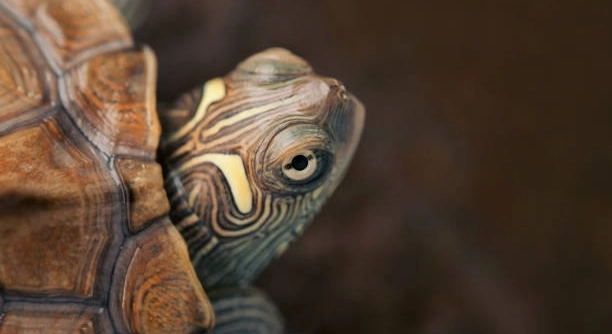
A clean and fresh tank is essential for the health and comfort of your map turtle. Maintaining a pleasant environment involves addressing various factors that affect the water’s odor. Let’s look at some simple tips.
Keeping your map turtle tank smelling fresh requires consistent cleaning, proper filtration, and attention to feeding habits. Regular water changes, using a high-quality filter, and removing uneaten food are key practices. This prevents waste buildup and maintains water quality.
By following these straightforward steps, you can enjoy a clean and odor-free tank, enhancing your turtle’s habitat and overall well-being.
Maintain a Consistent Cleaning Routine
Regular cleaning is essential to keeping your map turtle tank smelling fresh. Weekly water changes help prevent the buildup of organic waste and harmful bacteria, which can cause unpleasant odors. Clean the substrate and decorations with a soft brush or sponge to remove debris that can accumulate over time. The filter should also be cleaned regularly to ensure proper water flow and reduce the chances of odors developing. Make sure to check the filter media and replace it when needed. Keeping up with these tasks consistently will prevent bad smells and ensure a healthier environment for your turtle.
A clean tank not only reduces odors but also keeps your turtle’s habitat healthy and comfortable.
Keeping the tank spotless is easy once you establish a cleaning schedule. Invest in a water testing kit to ensure your water quality is up to par. Check ammonia and nitrate levels to avoid unpleasant smells that could indicate an imbalance in the water chemistry.
Proper Feeding Practices
Overfeeding is one of the main causes of foul odors in a map turtle tank. Leftover food quickly decomposes, releasing unwanted smells. To prevent this, feed your turtle in moderation, ensuring it consumes everything in a short amount of time. If any food remains, remove it promptly. This keeps the water cleaner and helps with odor control.
Feeding your turtle smaller, more frequent meals can also prevent uneaten food from sitting around and decaying.
Keep an eye on your turtle’s eating habits and adjust the feeding schedule as necessary. If you’re offering live food, make sure it is consumed immediately. This eliminates any chance of extra food decomposing in the tank. You can also try switching to a more digestible food to reduce waste and smell.
Use a High-Quality Filter
A high-quality filter is crucial for maintaining clean water and minimizing odors. It helps to remove organic matter, debris, and excess nutrients. Ensure that the filter is appropriate for your tank size to provide optimal filtration. Regularly clean and replace the filter media to keep it working efficiently.
Proper filtration prevents the buildup of waste materials in your tank, which can quickly turn the water foul. It also helps to maintain the balance of beneficial bacteria, which can further reduce unpleasant smells. Make sure the filter is running 24/7 to keep the water circulating and clean.
Investing in a reliable filter system that is rated for your tank’s size ensures that your map turtle’s environment remains as fresh as possible. Look for filters with mechanical, biological, and chemical filtration features to address all types of waste. This type of filtration helps improve both water quality and overall tank health.
Avoid Overcrowding
Overcrowding your tank can lead to poor water quality and increased odors. It’s essential to avoid putting too many turtles or other animals in the same tank. More animals lead to more waste, which results in a faster buildup of debris and smells.
Each turtle needs enough space to move freely and maintain healthy conditions. A crowded tank will increase the need for frequent cleanings, and even then, the water will likely smell due to excess waste. Give your turtles room to thrive.
If your tank is getting crowded, consider upgrading to a larger one. A bigger tank will provide more space for your turtle(s) to swim and prevent the rapid accumulation of waste. This simple change can make a big difference in maintaining a fresh-smelling tank.
Use Live Plants
Adding live plants to your tank helps absorb excess nutrients and reduces the growth of harmful bacteria. Plants naturally filter the water, improving its quality. Choose plants that are safe for map turtles, such as anubias, Java ferns, and water lettuce.
Live plants also provide your turtle with a natural environment, creating hiding spots and enriching the overall tank ecosystem. They help to maintain a more balanced tank, reducing the need for frequent cleanings.
The plants will also absorb some of the waste products your turtle produces, helping to prevent foul smells. Their presence adds beauty to the tank while improving air and water quality.
Use Activated Carbon
Activated carbon is an effective tool for removing odors from the water. It traps impurities, chemicals, and organic matter, preventing them from decomposing in the tank. Simply place activated carbon in your filter to help keep the water smelling fresh.
Activated carbon also helps reduce the buildup of toxins, which can harm your turtle. Replacing the carbon regularly ensures that it continues to function at its best.
For best results, use activated carbon in conjunction with other filtration methods. It’s a simple, inexpensive solution to help keep your tank clean and free of unpleasant smells.
Maintain Proper Water Temperature
The temperature of your tank plays a key role in water quality. Keeping your tank at the proper temperature helps to encourage beneficial bacteria growth while preventing harmful ones from flourishing. A stable temperature also supports your turtle’s overall health.
Ensure your tank stays between 75°F and 80°F for map turtles. If the water is too warm, it can lead to bacteria overgrowth and bad odors. If the water is too cold, the water filtration process may slow down, causing debris to accumulate.
A reliable aquarium heater can help maintain a consistent temperature. Regularly monitor the water to ensure that the environment remains comfortable for your turtle.
FAQ
How often should I clean my map turtle tank to keep it smelling fresh?
Cleaning your map turtle tank should be done weekly, but this can vary depending on the size of your tank and the number of turtles. Regular water changes—about 20-30% each week—will help keep the water quality high. You should also remove uneaten food and clean the substrate at least once a week to avoid odors. In addition, don’t forget to clean your filter monthly to ensure it functions properly.
How can I prevent my map turtle tank from smelling bad without using harsh chemicals?
The best way to avoid bad odors without using harsh chemicals is to maintain a regular cleaning schedule, provide proper filtration, and ensure a healthy tank environment. Using live plants can also help absorb excess nutrients and reduce bacteria growth, leading to fresher water. Another tip is to use activated carbon in your filter to absorb impurities. Avoid overfeeding your turtle and remove any leftover food promptly to prevent it from decomposing and creating odors.
Can I use artificial plants to reduce odors in my turtle tank?
While artificial plants can add aesthetic value to the tank, they don’t have the same filtration benefits as live plants. Live plants help absorb excess nutrients and provide natural filtration, which can reduce odors. If you prefer artificial plants, it’s essential to focus more on other methods such as proper filtration, regular cleaning, and controlling feeding habits to prevent odors.
Does the type of turtle food affect the smell of the tank?
Yes, the type of food you feed your map turtle can impact the tank’s smell. Overfeeding or feeding food that decomposes quickly can contribute to foul odors. High-protein foods, like meat and fish, can create waste that decomposes faster. Stick to a balanced diet and ensure your turtle eats everything you give them to minimize leftover food. If you’re using live food, make sure it’s consumed immediately to avoid adding organic waste to the tank.
What should I do if my map turtle’s tank starts smelling bad suddenly?
If your map turtle’s tank starts smelling bad suddenly, it may be due to an issue with water quality. Check the filter to ensure it’s working correctly and clean it if needed. Also, perform a partial water change to reduce waste buildup. Check the water parameters, including ammonia and nitrate levels, as these can indicate a problem. Ensure that your turtle isn’t overfed and remove any uneaten food promptly. If the smell persists, it could be a sign that something else in the tank needs attention.
Can I use a UV sterilizer to improve water quality and reduce odors?
Yes, a UV sterilizer can help improve water quality by killing harmful bacteria, algae, and parasites. It doesn’t directly remove organic waste, but it can improve overall tank health, which in turn can reduce odors. The UV light helps sterilize the water, making it cleaner and fresher. However, you still need proper filtration and cleaning to ensure long-term freshness in the tank.
How do I know if I’m overfeeding my map turtle?
Overfeeding your map turtle can lead to excess waste, which contributes to bad odors. A good indicator that you’re overfeeding is when there’s leftover food after feeding. Ideally, your turtle should consume all food within a few hours, leaving no trace behind. Monitor how much your turtle eats and adjust the portion sizes if you notice uneaten food. A general guideline is to feed your turtle once a day with an amount that they can finish in 10-15 minutes.
How can I ensure my map turtle’s tank has good water circulation?
Good water circulation is important to prevent stagnant water, which can lead to foul smells and poor water quality. Use a reliable filter that is suitable for your tank size, and ensure that it’s running continuously. The filter should create enough flow to keep the water moving without creating strong currents that may stress your turtle. You can also add a water pump or air stones to help with circulation if needed.
Are there any natural remedies for keeping my turtle tank smelling fresh?
Yes, some natural remedies can help keep your map turtle tank smelling fresh. Adding live plants to the tank can improve water quality by absorbing excess nutrients. Activated carbon in the filter can help remove odors. You can also try using natural bacterial additives designed to break down waste and help maintain a healthy ecosystem. Regular water changes and proper feeding practices are also important for maintaining a fresh environment without the need for harsh chemicals.
How do I deal with the smell of algae in my map turtle tank?
Algae growth is a common issue in turtle tanks, and while some algae is normal, excessive growth can cause odors. To prevent algae, control the amount of light your tank gets by reducing exposure to direct sunlight or using a timer for your tank lights. You can also reduce nutrients in the water by removing uneaten food and performing regular water changes. If algae buildup becomes a problem, consider adding algae-eating creatures, such as snails, to help control it.
Is it normal for the tank to smell after feeding my map turtle?
It’s normal for a tank to have a slight smell after feeding, especially if there is leftover food. However, if the smell persists or becomes overpowering, it could be a sign of overfeeding or poor water quality. Make sure to remove any uneaten food immediately after feeding. Also, check the water parameters and perform a water change to maintain freshness. Proper filtration and regular cleaning will also help keep any odors in check.
Should I use a tank lid to keep my turtle tank fresh?
Using a tank lid can help prevent debris from falling into the water and reduce the chances of odors building up. It can also help with temperature control, which is important for maintaining water quality. However, ensure that the lid has proper ventilation to prevent the buildup of humidity, which can lead to mold or bacteria growth. While a lid can help with cleanliness, it’s not a substitute for regular tank maintenance and cleaning.
Can I use a dehumidifier to reduce tank odors?
A dehumidifier can help control the humidity level around the tank, which may reduce mold growth or condensation that could cause unpleasant smells. However, it’s not a direct solution for tank odors. The key to maintaining a fresh-smelling tank lies in proper filtration, feeding practices, and cleaning routines. Using a dehumidifier in combination with these methods can enhance the overall environment, but it shouldn’t be relied upon as the primary solution.
Final Thoughts
Maintaining a fresh-smelling map turtle tank requires a combination of good tank management, proper feeding, and regular cleaning. A clean tank not only ensures your turtle remains healthy but also helps keep the water pleasant and odor-free. The key is consistency—cleaning the tank weekly, changing the water regularly, and ensuring the filter works efficiently. Using natural methods like adding live plants can also help improve water quality, contributing to a fresh environment for your turtle.
Feeding your map turtle properly is another crucial aspect. Overfeeding can lead to waste accumulation, which can cause unpleasant smells. It’s essential to feed your turtle the right amount and remove any uneaten food immediately. This keeps the water cleaner and reduces the chances of foul odors developing. Additionally, using high-quality, balanced food ensures that your turtle receives the necessary nutrients without contributing excess waste. Monitoring their eating habits will help you avoid common problems that lead to tank odor.
Finally, it’s important to remember that some odor is natural, especially after feeding. However, persistent bad smells can indicate a problem with the tank’s water quality or your turtle’s diet. If you notice unusual odors, check your filter, perform a water change, and make sure the water parameters are within the ideal range for your map turtle. Keeping a consistent cleaning schedule, adjusting the turtle’s diet, and addressing issues as they arise will help ensure that your map turtle’s tank stays fresh for both you and your pet.

Hello,
If you enjoy the content that we create, please consider saying a "Thank You!" by leaving a tip.
Every little bit helps us continue crafting quality advice that supports the health, happiness, and well-being of pets around the world, for pets of all shapes, sizes, and species.
We really appreciate the kindness and support that you show us!