
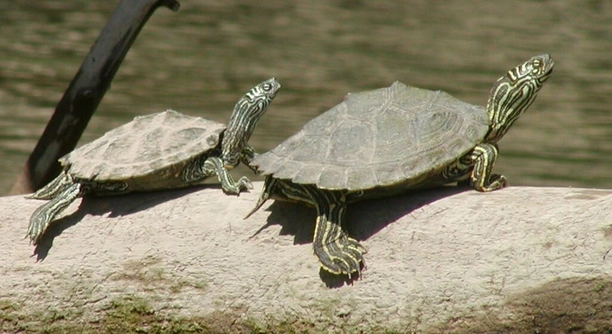
Map turtles are known for their aggressive behavior, often attacking other turtles. Understanding the reasons behind this can help you manage these actions and maintain a peaceful environment for all your turtles.
Map turtles attack other turtles due to territorial instincts, competition for resources, or mating behaviors. Stress, overcrowding, and lack of space can amplify these aggressive tendencies. Addressing these factors is key to preventing frequent conflicts.
With the right adjustments to their habitat and care, you can minimize aggression and create a healthier environment for your map turtles.
Why Do Map Turtles Become Aggressive?
Map turtles, like many other species, have a natural instinct to protect their space and resources. In the wild, they are often solitary animals, which leads to territorial behavior. When these turtles are kept in captivity, they may feel the need to defend their environment, especially if there is insufficient space or resources. Stress is a major contributor to their aggression, with overcrowded tanks or lack of hiding spots increasing tensions. If there is a sudden change in their habitat, such as new turtles being introduced, map turtles may act aggressively as a way to assert dominance or protect what they consider their territory.
Map turtles are also known to display aggression during mating season. Male map turtles can become more territorial, especially when competing for the attention of a female. This behavior is a natural response to mating instincts but can be challenging for turtle owners to manage in shared tanks.
Addressing aggression in map turtles starts with understanding their needs. By reducing stressors in their environment and offering enough space, you can create a safer, more peaceful habitat. Additionally, providing hiding spots and monitoring the introduction of new turtles can help reduce territorial behavior.
How to Reduce Aggression in Map Turtles
Stress and overcrowding are major factors contributing to turtle aggression. It’s essential to provide enough space in their tanks to prevent territorial disputes. By ensuring that there is enough room for each turtle to claim its own space, you will reduce the likelihood of fighting.
Map turtles also thrive in environments that mimic their natural habitat. Provide hiding places, such as rocks or plants, where they can retreat when feeling threatened. This helps reduce their stress levels and can minimize aggressive behavior. Additionally, separating turtles that consistently fight and keeping them in different enclosures may be necessary to prevent injuries.
Lastly, it is important to manage the tank’s water quality. Poor water conditions can cause stress and contribute to aggressive behavior. Regularly cleaning the tank and maintaining appropriate water parameters ensures that the turtles stay healthy and calm. With a few adjustments, you can significantly reduce the chances of aggression in your map turtles.
Providing Enough Space for Map Turtles
Map turtles need enough space to move freely, which helps reduce stress and aggression. A cramped tank can lead to territorial disputes as turtles fight for space and resources. It’s important to provide each turtle with its own area, allowing them to bask, swim, and explore without feeling crowded.
In a smaller tank, turtles may feel threatened by the presence of others, leading to aggressive behaviors. A larger tank allows for better movement and more territory for each turtle. For a single map turtle, a 40-gallon tank is ideal. For multiple turtles, it’s best to add 10-15 gallons per turtle. This setup reduces the chance of fighting over space and resources.
Providing enough space also allows you to maintain clean water, which is crucial for their health. Overcrowding can lead to waste buildup and poor water quality, making the turtles more stressed. A larger tank ensures that there is enough filtration to keep the water clean and suitable for the turtles to thrive.
Adding Hiding Spots to Minimize Aggression
Hiding spots give map turtles a safe place to retreat when they feel stressed or threatened. Without these, turtles may become more aggressive, especially if they can’t find a quiet space to calm down. Adding rocks, logs, or plants to the tank provides these essential hiding spots.
Map turtles are often shy and need a place to feel secure, away from the watchful eyes of other turtles. If they can’t find shelter, they may become more territorial, attacking other turtles to protect themselves. By offering multiple hiding spots, each turtle can retreat without conflict. Ensure that the spots are accessible and big enough for the turtles to fully hide.
These hiding spots also help turtles avoid confrontations during mating season. When multiple turtles are present, providing these safe spaces lets the turtles establish their own territories, reducing competition and aggressive behavior.
Managing the Introduction of New Turtles
When introducing new turtles to an existing group, aggression can easily arise. It’s important to slowly introduce them to avoid territorial disputes. Keeping new turtles in a separate tank for a few weeks before introducing them allows the others to get used to their presence.
Once the turtles have been separated for a while, gradually place them together in a neutral space where neither turtle has claimed territory. Monitor their interactions closely, as initial aggression may occur. Be prepared to separate them if necessary. This careful introduction reduces stress and helps prevent violence between the turtles.
Maintaining Water Quality to Reduce Stress
Clean water is essential for keeping map turtles healthy and calm. Dirty water can increase stress and lead to aggressive behavior. Regular water changes and a high-quality filter help maintain good water conditions, creating a more peaceful environment for your turtles.
Map turtles are sensitive to water quality. Poor water conditions can lead to illness, which may cause them to become more irritable and aggressive. Test the water regularly to ensure the proper levels of pH, ammonia, and nitrate. Using a powerful filtration system helps keep the water clean, improving their overall well-being. Clean water will support their immune system and reduce the likelihood of aggressive interactions.
Ensuring Proper Nutrition for Map Turtles
Feeding map turtles the right diet is crucial in preventing aggression. A balanced diet helps maintain their health, keeping them calm. Turtles who aren’t getting enough nutrition may become more aggressive, as they may fight over food or feel stressed by hunger.
Ensure that your map turtles are eating a mix of vegetables, proteins, and high-quality pellets. Offering a variety of foods can help meet their nutritional needs. Avoid overfeeding, as this can cause health problems. By giving them proper nutrition, you help reduce unnecessary aggression triggered by hunger or poor health.
FAQ
Why do map turtles fight with each other?
Map turtles fight for various reasons, such as territorial disputes, competition for resources, and mating behaviors. When there is not enough space in the tank or a lack of hiding spots, these turtles may become more aggressive. Males, in particular, can get territorial during mating seasons. Stress from overcrowding or poor water conditions can also increase their tendency to fight.
How can I tell if my map turtles are fighting or just playing?
Map turtles are not typically playful in the way other animals might be. What may seem like play is often aggressive behavior. They might chase each other, bite, or push each other around. If this behavior escalates or leads to injuries, it is definitely a fight, not play. Pay attention to body language: if one turtle is retreating or showing signs of stress, it’s more likely a conflict.
What are some signs that my map turtle is stressed?
A stressed map turtle may display certain behaviors like hiding more than usual, becoming more aggressive toward other turtles, or swimming aimlessly. Changes in eating habits, such as refusal to eat, can also indicate stress. Physical signs include a dull shell or discolored skin. If you notice any of these, consider assessing their tank environment for improvements.
Can overcrowding cause map turtles to fight?
Yes, overcrowding is one of the most common causes of aggression. Turtles need enough space to establish their own territories. If there isn’t enough room, they may become more territorial and fight for resources like food, basking spots, or hiding places. Increasing the tank size or reducing the number of turtles can help alleviate this problem.
How often should I clean my map turtle’s tank to reduce stress?
Map turtles prefer clean water, so their tank should be cleaned regularly. A good rule of thumb is to clean the tank every two to three weeks, but this can vary depending on the size of the tank and the number of turtles. Regular water changes (about 25-30% every week) help maintain water quality. Using a high-quality filter and checking water parameters often can also prevent water-related stress.
Can map turtles share a tank without fighting?
Map turtles can share a tank, but it depends on the space and resources provided. To minimize fighting, make sure the tank is large enough to accommodate the turtles. Provide plenty of hiding spots and basking areas to reduce competition. Keep a close eye on their interactions, especially when introducing new turtles. If aggression becomes a problem, consider separating them.
How can I prevent my map turtle from attacking others during mating season?
During mating season, male map turtles may become more aggressive as they compete for the attention of females. To reduce aggression, provide enough space and hiding spots so turtles can avoid each other when needed. You can also try separating males and females if aggressive behaviors are persistent. Adding distractions, like plants or objects in the tank, can also help reduce competition.
Should I separate map turtles that are constantly fighting?
If your map turtles are consistently fighting, it’s a good idea to separate them. Constant fighting can lead to injuries and increased stress. A larger tank or additional space might help, but if aggression continues, it’s best to create separate habitats for them. Keep an eye on their behavior and be ready to intervene if necessary.
What can I do if my map turtle isn’t eating due to aggression?
If your map turtle is not eating because of aggression, it may be stressed by other turtles in the tank. Try separating the aggressive turtles and offering food in a calm, quiet area. Make sure to provide a varied diet with enough nutritional options to tempt your turtle. Reducing stress by improving the tank environment can also encourage better eating habits.
Are map turtles territorial?
Yes, map turtles are territorial by nature. They can become aggressive when they feel their space is being invaded, especially if they are overcrowded. Providing enough space and hiding spots helps reduce territorial behavior. Male turtles, in particular, can be more territorial, especially during mating seasons.
Can a map turtle live alone without becoming lonely?
Map turtles are generally solitary creatures in the wild, so they do well living alone in captivity. They do not require social interaction with other turtles to thrive. In fact, living alone may reduce the risk of aggression or territorial disputes. If you choose to keep multiple turtles, ensure the tank is large enough and provide enough resources to keep them comfortable.
What is the best tank size for map turtles to reduce aggression?
A larger tank helps to reduce aggression by providing enough space for each turtle to claim its own territory. For one map turtle, a 40-gallon tank is a good starting point. For multiple turtles, add an additional 10-15 gallons per turtle. The more space, the less likely they are to fight over resources.
Can water temperature affect map turtle behavior?
Yes, water temperature can have a significant impact on a map turtle’s behavior. Water that is too cold or too warm can stress them out, leading to aggression or lack of appetite. Maintain a water temperature between 75°F and 80°F (24°C – 27°C) to keep your turtles comfortable and calm.
Final Thoughts
Understanding the reasons why map turtles attack each other is crucial in providing them with a healthy and peaceful environment. Territorial disputes, overcrowding, and competition for resources are common causes of aggression among these turtles. By identifying the triggers, you can take steps to reduce conflicts and keep your turtles happy. Managing their space, ensuring proper water quality, and offering a balanced diet all contribute to creating a stress-free habitat. These simple changes can go a long way in improving the quality of life for your turtles.
One of the best ways to prevent aggression is by giving each turtle enough space to thrive. Overcrowding in tanks can lead to tension, making turtles more likely to fight over food or basking spots. Providing plenty of hiding places, basking spots, and keeping the tank clean are simple but effective ways to minimize stress. Regularly monitor their behavior to identify early signs of aggression, so you can intervene before it escalates. Creating a safe and calm environment helps turtles feel secure and reduces the chances of fighting.
If aggression persists despite making adjustments, consider separating the turtles to prevent further harm. Even with the best care, some turtles may not get along, and in such cases, separating them becomes the best option. You can also consider re-evaluating their environment, as changes like adding more hiding spots or adjusting the water conditions might help. By staying proactive and observing your turtles closely, you can ensure they live together peacefully or comfortably apart.

Hello,
If you enjoy the content that we create, please consider saying a "Thank You!" by leaving a tip.
Every little bit helps us continue crafting quality advice that supports the health, happiness, and well-being of pets around the world, for pets of all shapes, sizes, and species.
We really appreciate the kindness and support that you show us!