
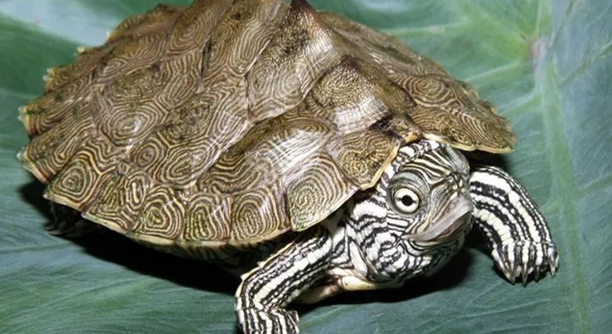
Are you considering keeping map turtles and crayfish together in the same tank but are unsure if they can coexist peacefully? Compatibility between these species depends on several factors, including tank size, temperament, and feeding habits, which influence their interactions.
Map turtles can be kept with crayfish, but it requires careful planning. Crayfish may become prey, especially if they are small, while larger ones may harm turtles. Providing hiding spots and monitoring behavior can reduce risks, but compatibility is not guaranteed.
Understanding the pros and cons of this setup will help ensure a safe environment for both species. Proper planning and tank management are essential for a successful cohabitation.
Pros of Keeping Map Turtles with Crayfish
Keeping map turtles with crayfish can work under the right conditions. A large tank with plenty of hiding spots can help reduce aggression. Crayfish are excellent scavengers, cleaning up leftover food and keeping the tank tidy. They also add variety to the habitat, creating a more natural environment. Some crayfish species are fast and can evade turtles, increasing their chances of survival. If the turtles are well-fed, they may be less likely to hunt the crayfish. Observing their interactions can be interesting, as each species has unique behaviors. Proper planning increases the chances of a balanced tank.
A well-structured tank with caves and plants allows crayfish to hide when necessary. Ensuring turtles are not overly aggressive helps maintain peace. Some hobbyists successfully keep these species together by closely monitoring their behavior and making adjustments as needed.
Crayfish provide additional activity in the tank, keeping the environment dynamic. Their ability to clean uneaten food helps maintain water quality. However, careful observation is necessary to prevent conflicts. If the setup is well-planned, both species can coexist, providing an engaging and visually appealing aquarium. Considering their needs before placing them together increases the likelihood of a successful tank.
Cons of Keeping Map Turtles with Crayfish
Despite potential benefits, keeping these species together comes with risks. Crayfish can be territorial and may pinch turtles, especially smaller ones. Their claws can cause stress or injury, leading to health issues. Some turtles may see crayfish as food, reducing their chances of long-term survival.
A larger crayfish may attempt to defend itself aggressively, especially during molting when it is vulnerable. During this period, turtles may take advantage of its soft shell, making it an easy meal. In smaller tanks, conflicts are more likely, increasing stress for both species. Crayfish can also damage plants and decorations, making the tank less stable. Regular monitoring is essential to ensure safety.
Tank conditions play a major role in success. A spacious setup with hiding areas may minimize conflicts, but the risk of predation remains. If aggression becomes a problem, separating them is the best option. Planning ahead helps determine if this combination suits your setup.
Tank Setup for Map Turtles and Crayfish
A spacious tank is necessary to reduce conflicts. A minimum of 75 gallons is recommended, with plenty of hiding spots for crayfish. Rocks, caves, and plants provide shelter, helping them avoid turtles. A well-structured habitat increases the chances of a peaceful coexistence.
Providing multiple hiding places allows crayfish to retreat when necessary. Floating plants and driftwood create barriers, reducing direct interactions. A sandy or gravel substrate helps them burrow, giving them extra security. Filtration should be strong enough to handle waste from both species. Regular water changes keep the environment clean, preventing ammonia buildup.
Temperature and water conditions should suit both species. A stable water temperature between 72°F and 78°F benefits them both. Turtles need basking areas, while crayfish require shaded spots. Setting up the right conditions minimizes stress and aggression. A carefully planned tank setup improves the chances of keeping them together successfully.
Feeding Considerations
Feeding both species properly reduces aggression. Turtles need a diet of pellets, leafy greens, and occasional protein. Crayfish eat detritus, leftover food, and small live prey. Ensuring both receive enough food prevents competition, lowering the risk of aggression. Uneaten food should be removed to maintain water quality.
Feeding turtles at a separate time prevents them from stealing food meant for crayfish. Sinking pellets and fresh vegetables can be placed near crayfish hiding spots to ensure they eat properly. Live foods like shrimp or worms can be introduced carefully to provide enrichment. Overfeeding should be avoided to prevent tank pollution.
Monitoring feeding habits helps ensure both species get enough nutrition. If turtles eat crayfish food, adjusting feeding times may help. Crayfish benefit from a varied diet, including algae wafers and protein sources. A balanced feeding schedule keeps both species healthy while reducing unnecessary stress or aggression.
Monitoring Behavior
Observing interactions is necessary to prevent injuries. If a turtle repeatedly tries to catch the crayfish, separation may be required. Signs of stress in crayfish include excessive hiding, missing limbs, or lack of movement. If aggression increases, adjusting the tank setup can help reduce conflicts.
Turtles may also show stress if crayfish become too aggressive. Frequent basking, avoiding the water, or attempting to escape the tank can indicate discomfort. If either species shows ongoing stress, they may not be compatible. Regular monitoring ensures their well-being and helps maintain a balanced environment.
When to Separate Them
If aggression persists despite a well-planned setup, separation is necessary. Missing limbs, constant chasing, or visible injuries are clear signs that the arrangement is not working. A divided tank or separate enclosures may be the best solution to keep both species safe and healthy.
Final Thoughts
Keeping map turtles with crayfish can be risky, even with proper planning. Some combinations may work, but close monitoring is essential. If conflicts arise, quick action can prevent harm. Weighing the risks and benefits beforehand ensures a better outcome for both species.
FAQ
Can map turtles and crayfish live together peacefully?
It depends on the individual turtle and crayfish. Some turtles ignore crayfish, while others see them as food. A well-structured tank with hiding spots increases the chances of coexistence. However, there is always a risk of aggression, so close monitoring is necessary.
Will my turtle eat the crayfish?
Most turtles will try to eat crayfish if given the opportunity. Young crayfish are especially vulnerable, as their small size makes them an easy target. Even larger crayfish can be eaten after molting when their shell is soft. Feeding turtles well may reduce hunting behavior, but it does not eliminate the risk.
Can crayfish hurt my turtle?
Crayfish have strong pincers that can pinch turtles, potentially causing stress or minor injuries. If a turtle is small or weak, a crayfish might cause more harm. However, turtles are generally more powerful and can overpower crayfish, making the crayfish more at risk in the long run.
What size tank is best for keeping them together?
A 75-gallon tank or larger is recommended. Space reduces competition and aggression. More hiding spots, rocks, and plants allow crayfish to avoid turtles. If the tank is too small, conflicts are more likely, leading to injuries or stress for both species.
How can I make sure my crayfish gets enough food?
Feeding turtles separately helps prevent them from stealing crayfish food. Sinking pellets, algae wafers, and small protein sources should be placed near crayfish hiding spots. Observing feeding times ensures the crayfish eats properly. Removing excess food helps maintain water quality.
Will crayfish damage the tank setup?
Crayfish are known for digging and rearranging their environment. They may uproot plants, move small decorations, or create burrows in the substrate. Using sturdy decorations and anchored plants minimizes disruption. If necessary, artificial plants can replace live ones to maintain the tank’s structure.
Do map turtles and crayfish need the same water conditions?
Both species require clean, well-filtered water with stable temperatures. A range of 72°F to 78°F is suitable for both. Turtles need a basking area, while crayfish prefer shaded hiding spots. Regular water changes prevent ammonia buildup, keeping both species healthy.
Can crayfish breed in a tank with turtles?
Breeding is unlikely in a tank with turtles. Even if eggs hatch, baby crayfish are extremely vulnerable and will likely be eaten. Providing dense cover and hiding places may help some survive, but in most cases, turtles will consume young crayfish before they mature.
How do I know if they are stressed?
Signs of stress in crayfish include excessive hiding, lack of movement, or missing limbs. Turtles may show stress by basking excessively, avoiding the water, or attempting to climb out of the tank. Any of these signs suggest that the setup may not be working.
What should I do if aggression becomes a problem?
If either species shows constant stress or aggression, separation is necessary. A divided tank can provide a temporary solution, but if conflicts persist, housing them separately is the best option. Taking quick action prevents injuries and ensures both species remain healthy.
Final Thoughts
Keeping map turtles with crayfish is possible but comes with risks. While some turtles may ignore crayfish, others see them as food. Even if they coexist peacefully at first, aggression can develop over time. Crayfish are vulnerable during molting, making them an easy target. Turtles, on the other hand, may face stress or minor injuries if crayfish become defensive. Providing a large tank with hiding spots helps reduce conflict, but there is no guarantee that both species will remain safe. Before introducing them, it is important to weigh the risks and prepare for potential separation if needed.
Monitoring their behavior is necessary to ensure their well-being. If the turtle constantly chases the crayfish or the crayfish is missing limbs, immediate action is required. Signs of stress, such as excessive hiding, lack of movement, or attempts to escape, indicate that adjustments may be necessary. Some setups may work temporarily but become unsafe as the turtle grows. Having a backup plan, such as a separate tank or divider, ensures that both animals remain healthy. Careful observation and quick intervention can prevent serious harm and create a more balanced environment.
The decision to keep map turtles with crayfish depends on the owner’s willingness to manage the risks. Some tanks may succeed with proper planning, but others may require changes or separation. Understanding the behaviors of both species, maintaining a well-structured habitat, and closely monitoring interactions increase the chances of compatibility. However, even with the best setup, there is always a level of unpredictability. Ensuring the safety and health of both the turtle and crayfish should always be the priority.

Hello,
If you enjoy the content that we create, please consider saying a "Thank You!" by leaving a tip.
Every little bit helps us continue crafting quality advice that supports the health, happiness, and well-being of pets around the world, for pets of all shapes, sizes, and species.
We really appreciate the kindness and support that you show us!