
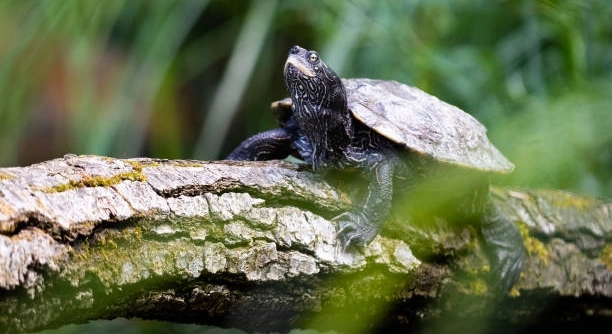
Map turtles lay eggs that can be challenging to identify as fertile or infertile. Knowing what to look for helps in making this distinction, ensuring the best conditions for hatching. This guide will help you recognize the signs.
Fertile map turtle eggs are typically round or oval and have a firm texture. They should appear white with a smooth surface, and when held up to light, fertile eggs may show a slight translucency. Infertile eggs usually have a dull appearance.
Learning to identify fertile eggs will help ensure proper care and a higher chance of successful hatching. This knowledge is essential for anyone who wants to support healthy turtle reproduction.
What to Expect from Fertile Map Turtle Eggs
Fertile map turtle eggs are firm and slightly translucent. They are typically white, with a smooth, glossy surface. When you look closely, you may notice a subtle shine or slight translucency, especially around the edges. These eggs are healthy and have the potential to hatch successfully if kept in the right conditions. Unlike infertile eggs, fertile eggs are not soft or shriveled. The firmness is a sign that they have a healthy structure and are filled with nutrients necessary for the developing turtle embryo. The process of identifying fertile eggs can take practice, but knowing what to look for is key.
When handling map turtle eggs, be sure to use a gentle touch. You don’t want to damage the eggs in any way, as this could harm the developing embryos.
In some cases, the eggs may appear slightly discolored, but this does not always mean they are infertile. Lightly translucent eggs can still be fertile, so it’s important not to jump to conclusions based solely on color.
Identifying Infertile Map Turtle Eggs
Infertile map turtle eggs are often soft and wrinkled. These eggs usually appear dull or opaque, lacking the smooth, shiny appearance of fertile ones. They may also feel squishy when gently pressed, indicating that they lack the proper structure for hatching. When inspected closely, infertile eggs may appear deflated or damaged, with the contents inside not fully developed.
These eggs are less likely to hatch, even with the best care. It’s essential to remove them from the nest to avoid contamination of the fertile eggs. If you’re unsure about the egg’s fertility, incubating them separately is a good practice. After some time, you will be able to distinguish between fertile and infertile eggs by their texture and appearance.
Signs of Healthy Eggs
Healthy map turtle eggs should be firm and well-rounded. Their color is typically white with a slight translucency. The eggs are smooth with no cracks or soft spots. If they feel firm to the touch, it is a good sign that the embryo is developing properly. They also should not feel sticky or slimy, as this could indicate damage or mold growth.
Eggs should be free from any visible cracks or deformities. A cracked egg can be a sign of improper handling or unfavorable environmental conditions. In some cases, eggs might also develop spots of discoloration, which could point to early-stage infertility.
Healthy eggs can sometimes be slightly sticky to the touch, but the texture should still feel firm. If any eggs feel overly soft, mushy, or lose their shape, these are most likely not viable. These signs will help ensure that you are taking the best care of your eggs during incubation.
Temperature and Humidity for Egg Incubation
Temperature and humidity play a crucial role in the successful hatching of map turtle eggs. If the temperature is too high or too low, the eggs may not develop properly. The optimal temperature for incubating map turtle eggs is around 80°F to 85°F. A consistent temperature is important for the embryo to grow at a steady pace.
Humidity levels should also be monitored carefully. Too much moisture can lead to mold or rot, while too little moisture can cause the eggs to dry out. A relative humidity level of 70%-80% is ideal. During the incubation period, it’s vital to check both the temperature and humidity levels daily to ensure that the eggs are kept in a stable environment. Keeping the incubation conditions steady increases the chances of the eggs hatching successfully.
Checking Egg Viability
Checking the viability of map turtle eggs can be done by gently holding them up to a light source. This method, called “candling,” helps reveal the contents inside. Fertile eggs usually show a slight translucency, while infertile ones may appear opaque and lack structure.
By carefully candling the eggs, you can assess the health of the embryo. In fertile eggs, you’ll likely see a small, dark spot where the embryo is developing. Infertile eggs are less likely to show any signs of life, appearing solid or even cracked in some cases. It’s important to handle the eggs gently to avoid damaging them.
The Role of Nesting Materials
Map turtles typically bury their eggs in sand, dirt, or other soft materials. These materials provide insulation and help maintain a stable temperature and humidity level for the developing eggs. Using natural nesting materials, like clean sand, can create the ideal environment for hatching.
Adding a layer of damp sphagnum moss or coconut coir over the eggs can also maintain moisture levels. This creates an environment that simulates the conditions found in the wild, promoting the proper development of the eggs.
Signs to Remove the Eggs
If eggs show signs of mold, excessive cracking, or drying out, they should be removed immediately. These conditions may indicate that the eggs are no longer viable or are at risk of contamination. Regular inspection is key.
FAQ
How do I know if the eggs are fertile?
Fertile map turtle eggs are firm, slightly translucent, and smooth to the touch. When candled, fertile eggs show a dark spot where the embryo is developing. Infertile eggs appear opaque and lack structure. They might also feel soft, wrinkled, or squishy when gently pressed.
What is the best temperature for incubating turtle eggs?
The ideal temperature for incubating map turtle eggs is between 80°F to 85°F (27°C to 29°C). Maintaining a steady temperature is crucial for healthy development. If the temperature fluctuates too much, it can lead to underdeveloped embryos or unsuccessful hatching.
How can I maintain the right humidity for the eggs?
Humidity should be kept between 70% to 80% during incubation. Use a humidity gauge to monitor levels in the incubator or nesting environment. You can maintain proper humidity by adding damp moss or coconut coir to the incubator, ensuring it doesn’t become too wet.
Can I remove infertile eggs from the nest?
Yes, you should remove infertile eggs as soon as you identify them. Infertile eggs can spoil or contaminate the healthy ones. Handling them carefully will prevent damaging fertile eggs. Dispose of them properly or use them for research purposes if needed.
How often should I check the eggs during incubation?
Check the eggs daily to ensure the temperature and humidity levels remain stable. Avoid disturbing the eggs too much, as this can damage them. Only candle the eggs every few weeks to prevent unnecessary handling and exposure to light.
Can the eggs hatch if the temperature is too high or too low?
If the temperature is too high or too low, it can negatively affect the eggs. Temperatures over 90°F (32°C) can cause embryos to overheat and die, while temperatures below 75°F (24°C) can slow development or prevent hatching altogether. Consistency is key.
How do I handle the eggs without damaging them?
When handling the eggs, always be gentle. Use a soft tool, like a spoon, to carefully lift them from the nest or incubator. Avoid pressing or squeezing the eggs. It’s important to minimize direct contact to prevent damage to their delicate shells.
What should I do if the eggs show signs of mold?
If mold develops, remove the affected eggs from the incubator and clean them with a damp cloth. If the mold is too extensive, it may be a sign the egg is no longer viable. Mold can spread to other eggs, so it’s important to act quickly.
How long does it take for map turtle eggs to hatch?
Map turtle eggs typically take 60 to 100 days to hatch, depending on the temperature and humidity levels. Warmer temperatures may speed up the process, while cooler temperatures can extend the incubation time. It’s important to be patient and avoid disturbing the eggs during this period.
Can I hatch the eggs without an incubator?
Yes, you can incubate eggs without an incubator if you can replicate the correct temperature and humidity levels. Some people use containers with damp moss or sand, but be sure to monitor the conditions regularly. Using an incubator is generally the safest and most effective method.
What is the best nesting material for map turtle eggs?
Map turtles prefer to lay their eggs in soft, sandy materials. Clean sand or a mixture of sand and dirt works well. The material should be moist enough to maintain humidity but not overly wet. Adding coconut coir or sphagnum moss helps maintain moisture.
Can I store the eggs before incubation?
It’s best to incubate the eggs as soon as possible after they are laid. If you need to store the eggs temporarily, place them in a safe, humid environment. Avoid moving them around too much, as this can disturb their development. Store them at a temperature of 75°F to 80°F (24°C to 27°C).
What happens if the eggs are overexposed to light?
Overexposing the eggs to light can interfere with their development. While candling is necessary to check the eggs, it should be done in a dark room and with minimal exposure to light. Prolonged exposure to light can disrupt the embryo’s growth and hinder the hatching process.
Can I move the eggs after they are laid?
It’s important to handle eggs gently if you need to move them. When transferring them to an incubator or another nest site, make sure they are in the same orientation as when they were laid. Turning the eggs or disturbing them too much can damage the developing embryo.
How do I know when the eggs are ready to hatch?
As the eggs approach their hatching time, you may notice slight cracks or dents in the shells. The eggs may also appear darker or more translucent as the embryos grow. Avoid disturbing the eggs too much during this final stage to allow the turtles to hatch naturally.
What should I do if an egg is cracked?
If you find a cracked egg, inspect it carefully. A small crack may not always be a problem, but if the crack is large or the egg is leaking fluid, it is unlikely to hatch. Remove any damaged eggs to avoid contaminating the other eggs in the nest.
What’s the best way to care for hatchlings once they emerge?
Once the hatchlings emerge, carefully move them to a safe, appropriate habitat. Ensure the environment is warm and has access to water and food. Monitor their health and provide proper care as they transition from their eggshells into their new life outside the nest.
Final Thoughts
Caring for map turtle eggs requires attention to detail and patience. Ensuring the proper temperature, humidity, and environment for incubation is crucial for successful hatching. By using tools like a thermometer and humidity gauge, you can monitor the conditions and make adjustments as needed. Handling the eggs carefully and minimizing disturbance is key to protecting them during the incubation period. Being attentive and proactive in maintaining the right conditions will give the eggs the best chance of developing properly.
It’s also important to remember that not all eggs will be fertile, and some may not hatch. Infertile eggs or those that show signs of mold or damage should be removed to prevent contamination of the healthy eggs. Regular checks on the eggs can help you spot these issues early. If you’re unsure about the condition of the eggs, it’s always better to err on the side of caution. Candling is an easy and effective way to monitor the development of the embryos, giving you a clear picture of whether the eggs are healthy or not.
Lastly, patience is essential when incubating map turtle eggs. Hatching can take several months, and the process can’t be rushed. After hatching, it’s crucial to move the hatchlings into an appropriate habitat where they can continue to grow and thrive. Providing a safe environment for both the eggs and the hatchlings is the best way to ensure the survival of the next generation of map turtles.

Hello,
If you enjoy the content that we create, please consider saying a "Thank You!" by leaving a tip.
Every little bit helps us continue crafting quality advice that supports the health, happiness, and well-being of pets around the world, for pets of all shapes, sizes, and species.
We really appreciate the kindness and support that you show us!