
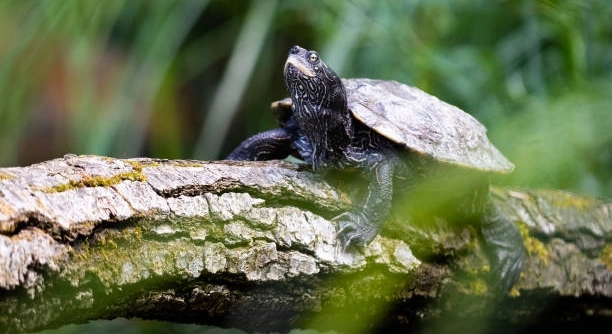
Introducing a new map turtle to an existing tank can feel a bit tricky. Ensuring both the new turtle and the current residents adapt peacefully is essential for a healthy, stress-free aquatic environment.
To successfully introduce a new map turtle, gradually acclimate it by using a quarantine tank and monitoring interactions. This process minimizes stress and reduces potential health risks, ensuring the safety of all tank inhabitants.
Proper preparation ensures a smooth transition and helps foster harmony within the tank. Let’s explore the steps needed to make this introduction a success.
Preparing the Tank for a New Map Turtle
When introducing a new map turtle to an existing tank, preparation is key. Start by ensuring the tank has enough space for all turtles to move freely without feeling cramped. Aim for at least 10 gallons of water per inch of shell length. Adding extra hiding spots like plants or caves can help reduce territorial disputes. Clean the tank thoroughly and check the water parameters to avoid unnecessary stress on both the new and existing turtles. Proper lighting, heating, and basking areas should also be reviewed to ensure compatibility with all turtles’ needs.
Creating a neutral environment can make the introduction smoother. Rearrange decorations and hiding spots to eliminate established territories and encourage exploration. This minimizes the chances of territorial behavior.
Taking these steps ensures a stable environment, setting the stage for a peaceful introduction and long-term harmony in your tank.
Quarantine and Health Checks
Before introducing the new turtle, a quarantine period of 30 days is highly recommended. This allows you to monitor for any signs of illness or parasites that could impact your current turtles.
During quarantine, observe the turtle’s eating habits, behavior, and overall health. Treat any issues promptly and ensure the turtle is thriving before moving forward. This step protects your tank’s ecosystem and promotes a healthy start for all its inhabitants.
Introducing the Turtles Gradually
Start by floating the new turtle in the tank using a separate container. This lets the turtles see and smell each other without direct contact. Monitor their reactions for signs of aggression or stress.
After a day or two, allow brief supervised interactions in a neutral area, such as a separate tub or sectioned-off part of the tank. Keep these sessions short and gradually increase their length as the turtles grow accustomed to one another. Observe closely for any biting or overly dominant behavior, and separate them immediately if issues arise. Consistency and patience during this phase help establish a more peaceful introduction.
If the turtles seem comfortable, you can gradually integrate the new turtle into the main tank. Continue monitoring their interactions for a few weeks. Provide ample hiding spots and separate feeding areas to reduce competition and stress.
Managing Aggression
Turtles may show some territorial behavior when first introduced. This is normal, but it’s crucial to manage it effectively. Adding visual barriers like plants or rocks can help reduce aggression by breaking up lines of sight.
If aggression persists, consider temporarily separating the turtles while maintaining short interaction sessions outside the tank. This process helps them adjust gradually and reduces stress, improving the chances of long-term harmony in the tank.
Monitoring the Transition
Watch the turtles closely during the first few weeks of sharing a tank. Look for signs of stress, such as reduced eating, hiding excessively, or aggressive behavior. Address issues promptly to avoid long-term problems.
Feeding the turtles in separate areas can help minimize competition and reduce tension. Ensure each turtle gets adequate food without feeling threatened.
Adjusting Tank Setup
If problems persist, consider adjusting the tank setup further. Adding more decorations, hiding spots, or dividing the tank temporarily can create a safer space for all turtles. Monitor their behavior as changes are made to ensure they’re adapting well.
Long-Term Care
Consistency in water quality, feeding schedules, and habitat maintenance helps prevent stress and encourages harmonious living. Regularly observing the turtles ensures their long-term compatibility and allows you to address any emerging issues quickly.
FAQ
What should I do if the new turtle is being aggressive?
If the new turtle is showing aggression towards the existing one, separate them immediately. You can try reintroducing them after a few days in a neutral space. Ensure both turtles have their own space to hide and bask. If aggression persists, you might need to separate them long-term.
How do I know if my turtles are stressed?
Signs of stress in turtles include loss of appetite, hiding more than usual, and erratic swimming patterns. They may also act aggressively or appear lethargic. If you notice these signs, check the water quality, temperature, and basking spots to ensure everything is optimal.
How long should I quarantine the new turtle?
It’s best to quarantine the new turtle for at least 30 days. This helps monitor its health and ensures it’s not carrying any diseases or parasites that could harm the current tank inhabitants. During this time, observe for any unusual symptoms.
Can I add multiple turtles at once?
While it’s possible to introduce multiple turtles at the same time, it can be riskier. More turtles can lead to more competition for space and food. It’s usually safer to introduce them one at a time, giving each turtle time to adjust before the next introduction.
Do map turtles need a lot of space in the tank?
Yes, map turtles need plenty of space to swim and explore. A general rule of thumb is 10 gallons of water per inch of shell length. Overcrowding can lead to stress, territorial disputes, and poor water quality.
Should I provide a basking area for each turtle?
Yes, providing separate basking areas is important, especially if you have multiple turtles. Each turtle should have its own space to bask and dry off. If they compete for basking spots, it can cause stress and lead to aggression.
Can I mix different types of turtles in the same tank?
Mixing different types of turtles can be tricky. While some species can live together, others may be territorial or aggressive. If you’re mixing species, research their compatibility beforehand and ensure that both types have enough space to reduce stress and conflict.
How do I prevent my new turtle from spreading diseases?
To prevent disease, quarantine the new turtle for 30 days before introducing it to the main tank. During this time, monitor its health, and ensure it’s eating and behaving normally. Regular water changes and cleaning can also help prevent the spread of diseases.
What if my turtles aren’t eating after the introduction?
If your turtles are not eating after being introduced, check the water conditions. Stress from the introduction can cause a temporary loss of appetite. If the problem continues, try offering a variety of foods to entice them or separate them temporarily to reduce stress.
How can I keep my turtle tank clean after introducing a new turtle?
Keeping the tank clean is crucial, especially after introducing a new turtle. Perform regular water changes, clean the filter, and remove any uneaten food to maintain water quality. Keep an eye on the turtles’ behavior and adjust the setup if necessary to keep things clean.
Is it normal for turtles to fight during the introduction?
Some fighting or aggression is normal when introducing new turtles. However, if the fighting is persistent or one turtle is getting injured, it’s essential to separate them. Always observe their interactions closely and intervene if necessary to prevent harm.
How do I ensure my turtles are getting enough food?
To ensure they’re getting enough food, feed your turtles in separate areas. This reduces competition and ensures each turtle gets its share. Offer a balanced diet of both plant-based and protein-rich foods, and observe their eating habits. If one turtle is eating less, check for signs of illness.
Do map turtles need a lot of light?
Yes, map turtles need UVB lighting to help them metabolize calcium and keep their shells healthy. Make sure to provide a suitable UVB light for 10 to 12 hours a day. Additionally, basking areas with heat sources are essential to maintain their health and activity levels.
Can the new turtle carry parasites without showing symptoms?
Yes, some turtles can carry parasites without showing any symptoms. This is why quarantine is essential. Even if the new turtle seems healthy, it could be harboring diseases or parasites that could infect the existing turtles. Monitoring closely during the quarantine period is crucial.
What temperature should my tank be for map turtles?
The water temperature for map turtles should range between 75 to 80°F (24 to 27°C). The basking area should be between 85 to 90°F (29 to 32°C). Maintaining the correct temperature ensures that the turtles stay active, healthy, and comfortable in their environment.
Should I provide hiding spots for my new turtle?
Yes, hiding spots are essential for all turtles. They offer security and allow each turtle to retreat when needed. Providing enough hiding spots in the tank ensures the turtles feel safe and reduces stress, especially during the introduction process.
How can I tell if my new turtle is adjusting well?
Signs that your new turtle is adjusting well include eating regularly, swimming normally, and basking without showing signs of aggression. If the turtle is exploring the tank and interacting peacefully with the other turtles, it’s likely adjusting well to its new environment.
Final Thoughts
Introducing a new map turtle to an existing tank can be a delicate process, but with careful preparation, the transition can be smooth. It’s important to create a balanced environment, taking into account the space, water quality, and the temperament of both turtles. Gradual introductions, with plenty of time for observation, help minimize stress and aggression. Giving the new turtle time to adjust in quarantine before placing it in the main tank also ensures that both turtles stay healthy.
Monitor the turtles for signs of aggression or stress after the introduction. Even if they seem fine at first, behaviors may change over time. If conflicts arise, separating them temporarily and reintroducing them in short sessions can help. It’s essential to maintain a clean and comfortable environment for all the turtles. With enough space, separate basking areas, and proper nutrition, they are more likely to coexist peacefully.
Finally, patience is key. The process can take time, and each turtle is different. With careful attention to their needs, you can ensure a healthy and harmonious environment for both your new and existing turtles. Regular maintenance, good tank management, and watching their interactions closely will help you address any challenges that come up.

Hello,
If you enjoy the content that we create, please consider saying a "Thank You!" by leaving a tip.
Every little bit helps us continue crafting quality advice that supports the health, happiness, and well-being of pets around the world, for pets of all shapes, sizes, and species.
We really appreciate the kindness and support that you show us!