
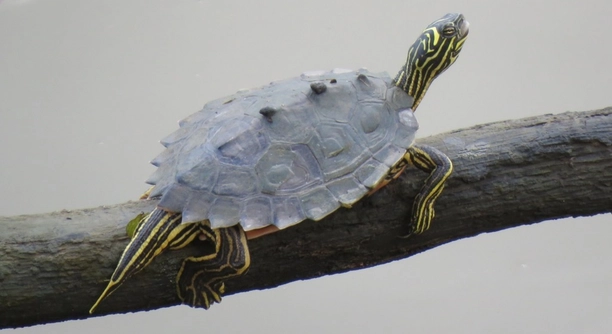
Map turtles are fascinating creatures, and one of their most interesting behaviors is the clicking sound they make. It’s a sound that many turtle owners have noticed but may not fully understand.
The clicking sound that map turtles produce is commonly associated with the movement of their jaws, particularly when they are adjusting their positioning or eating. This behavior can also be linked to stress, territorial disputes, or as part of their natural communication.
By understanding the cause of the clicking, you’ll be able to better care for your map turtle and ensure its well-being. Let’s explore this behavior further and uncover what may be happening when you hear those sounds.
Why Map Turtles Make Clicking Sounds
Map turtles are known for their distinct clicking noises, which can be heard during various activities. This behavior is often more noticeable when they are feeding or adjusting their position. The sound occurs as the turtle closes its mouth quickly or shifts its jaws. It’s not just random noise but rather a communication tool or response to their environment. For some, it might be surprising to hear, but it’s a natural part of their behavior.
Map turtles may also make clicking sounds when they are stressed. This can happen in response to changes in their environment, like new tankmates or alterations in water quality. In these cases, the clicking might be a sign that they are uneasy or need some adjustment in their habitat.
Interestingly, while the sound can be alarming to some, it’s generally harmless. If the clicking sound becomes frequent or more pronounced, it’s worth observing other signs to ensure your turtle is comfortable. Keeping track of their behavior, surroundings, and diet will help address any concerns.
What the Clicking Might Indicate
Though it’s common for map turtles to click while eating or adjusting their jaw, it can also indicate discomfort. Stress, for instance, can lead to excessive clicking.
Sometimes, the noise may just be a way for turtles to express themselves when they feel agitated. In the wild, map turtles use various sounds to communicate with each other, and captivity might trigger similar responses.
Some map turtles click when interacting with their tankmates, especially during territorial disputes. They may click their jaws in an attempt to assert dominance or deter an intruder from their space. Though not necessarily harmful, it can be unsettling for pet owners to hear these sounds frequently.
Understanding the reasons behind the clicking can help you create a more peaceful and comfortable environment for your turtle. By observing the behavior and making small adjustments to their habitat, you can reduce unnecessary stress.
How to Reduce Unnecessary Clicking
If you notice your map turtle making more clicking sounds than usual, it’s time to pay attention to its environment. Stress is often a big factor in this behavior, and there are steps you can take to make your turtle feel more at ease. First, ensure that the water temperature and quality are stable and within the ideal range for map turtles. Poor water conditions can contribute to discomfort, causing your turtle to react more.
Additionally, check if there are any changes in the tank, like new tankmates or decorations that might be making your turtle feel threatened. Map turtles can be territorial, and they may click as a way of asserting their space. Keeping the tank well-maintained and avoiding overcrowding can help reduce stress.
Another possible cause of excessive clicking is diet. Make sure your turtle is getting a well-balanced mix of foods, such as aquatic plants, insects, and pellets. Nutrient deficiencies or hunger can lead to irritability, which might increase clicking.
By making these adjustments and observing your map turtle’s behavior, you can help create a more peaceful living environment and reduce the amount of clicking.
When is Clicking a Sign of Aggression?
If your map turtle starts clicking frequently while interacting with other turtles, it might be a sign of aggression. Turtles can be territorial creatures, and they use sounds to warn others to stay away. This is most common when they feel their space is being invaded.
Aggression may manifest as the clicking of jaws, along with other body language signals like puffing out their neck or trying to chase another turtle. If you observe these behaviors, it’s a clear sign that your turtle is trying to assert dominance. In the wild, these actions help establish boundaries between turtles, and the clicking sound is part of this communication.
To avoid aggression, ensure that each turtle has enough space in the tank. A cramped environment can trigger territorial disputes, which lead to constant clicking. Monitoring their interactions carefully will also help you identify aggressive tendencies early, allowing you to address any issues before they escalate.
What to Do If Your Turtle’s Clicking Increases
If you notice your turtle’s clicking becoming more frequent or louder, it could be a sign of stress. Often, this happens due to a change in its environment, like a new tankmate or a shift in water conditions. Stress can lead to discomfort, and clicking might become a way to express that frustration.
Start by checking the water quality and temperature. Map turtles are very sensitive to changes in their habitat, and even small alterations can cause stress. Keep the tank clean and make sure the water is filtered properly. If the water isn’t clean, this could cause your turtle to feel agitated.
Additionally, look for any environmental changes or stressors, such as loud noises, too much handling, or unfamiliar objects. If you recently added new plants or decorations, consider removing them to see if the clicking decreases. Taking small steps to create a peaceful environment for your turtle can help reduce stress-related behaviors like excessive clicking.
How to Identify if Clicking is Related to Feeding
When map turtles make clicking sounds, it’s often during feeding time. This noise can occur when they snap their jaws to catch food. It’s their way of quickly grabbing prey, whether it’s an insect, a fish, or plant matter. The clicking might be more pronounced when they’re hungry.
The clicking sound during feeding is completely normal. It’s an instinctual behavior that helps map turtles quickly grasp food in their environment. If you notice the clicking is tied to meals, then there’s no need to worry. Just make sure you’re offering the right food at the right time.
The Impact of Tank Size on Clicking
A cramped tank can increase the likelihood of your map turtle making clicking sounds. When space is limited, turtles may become frustrated and more territorial, leading to heightened aggression or stress. This behavior can cause excessive clicking as they try to assert their space.
To avoid this, ensure your turtle has enough room to roam. A spacious tank allows them to move around freely, reducing stress and territorial behavior. Giving your map turtle enough space to explore and find food will help minimize the chances of them making unnecessary clicking sounds.
FAQ
Why do map turtles make clicking sounds when they’re not eating?
Map turtles may click when they are adjusting their jaw, shifting their position, or interacting with their environment. It’s not always linked to eating. Sometimes, they use clicking sounds as a response to stress or discomfort. For example, if the turtle feels threatened, it may click its jaws to communicate its unease. Additionally, if they are uncomfortable in their tank due to poor water quality or overcrowding, they may click to signal distress.
Is clicking a sign that my map turtle is sick?
Clicking is not always a sign of illness. While frequent or loud clicking could indicate stress or discomfort, it’s not necessarily a health issue. However, if the turtle shows other signs like lack of appetite, lethargy, or abnormal behavior along with the clicking, it may be time to consult a veterinarian. A physical exam can help rule out any potential health concerns, such as jaw issues or respiratory infections.
How can I tell if my map turtle is stressed?
In addition to clicking sounds, other signs of stress in map turtles include swimming in circles, hiding more often than usual, or basking excessively. If your turtle is behaving unusually or showing signs of aggression toward tankmates, it may be stressed. Stress can be caused by a variety of factors such as water quality, overcrowding, sudden temperature changes, or even loud noises in the environment. It’s important to observe your turtle’s behavior and make adjustments to its tank setup to alleviate stress.
How often should I clean my map turtle’s tank to prevent stress?
Cleaning your turtle’s tank is crucial to maintaining a healthy environment. It’s recommended to clean the tank once a week, but if you have a larger tank or a high turtle population, you may need to clean it more often. This includes changing the water, removing any uneaten food, and scrubbing the surfaces to remove algae. Dirty tanks can cause poor water quality, which stresses turtles and may lead to unwanted behaviors like clicking. Regular cleaning ensures the water stays fresh and your turtle feels comfortable.
Can map turtles click when they’re frightened?
Yes, map turtles can make clicking sounds when they’re frightened. This behavior may be more common in young turtles that haven’t fully acclimated to their environment. A sudden movement, loud noise, or unfamiliar object in the tank can trigger this response. The clicking is often a defense mechanism to communicate discomfort or fear. If this happens, try to minimize any sudden changes to the environment and avoid startling the turtle. A calm environment can help reduce fear-induced clicking.
Does the clicking sound ever stop?
The frequency of clicking sounds depends on the individual turtle and its environment. Some map turtles may click regularly, especially if they are adjusting to new surroundings or tankmates. Over time, if the environment remains stable and the turtle feels more comfortable, the clicking may decrease. However, some turtles may continue to click occasionally throughout their lives, especially during feeding or when interacting with others. As long as it’s not excessive and doesn’t cause harm, it’s usually a normal behavior.
How can I reduce the clicking sound in my turtle’s tank?
To reduce excessive clicking, start by ensuring the tank is large enough for your map turtle. A spacious tank helps reduce stress and territorial behaviors. Make sure the water quality is good, as poor water conditions can lead to frustration and increased clicking. You can also avoid overcrowding, as multiple turtles in a confined space can lead to aggression and clicking. Lastly, creating hiding spots or areas where your turtle can feel safe may help reduce stress and minimize the need for communication through clicking.
Should I worry if my map turtle clicks when it’s basking?
Clicking while basking is typically harmless and may just be part of the turtle’s normal movements. When basking, turtles may adjust their positioning or use their jaws to help themselves settle. If the clicking occurs occasionally and there are no signs of other stress or illness, it’s not something to worry about. However, if the clicking becomes excessive or is accompanied by other concerning behaviors, it’s worth investigating further.
Can map turtles click when they are bonding with tankmates?
It’s unlikely that clicking is a sign of bonding, but it could be a way for map turtles to communicate with each other. While they don’t usually form close bonds like some other species, they do engage in social behaviors such as territorial interactions. Clicking may occur during these moments as a way to assert dominance or warn other turtles to stay away. If multiple turtles are in the same tank, it’s important to monitor their interactions and provide enough space for each turtle to avoid unnecessary conflicts.
Is there any way to tell if my turtle is clicking because it’s hungry?
If your map turtle clicks when food is offered, it’s likely associated with hunger. Turtles will often make clicking sounds when they see food or are actively trying to catch it. If the clicking happens only during feeding times, it’s probably just part of the natural feeding process. Map turtles may snap their jaws quickly to grab food, creating the clicking sound. Make sure you are offering the right portion of food and feeding on a consistent schedule to prevent hunger-induced behaviors.
Final Thoughts
Map turtles making clicking sounds is a natural behavior that can happen for various reasons. Most of the time, it’s simply part of their communication or feeding routine. The clicking could also be a response to stress, discomfort, or aggression. As a turtle owner, it’s important to observe your turtle’s behavior closely and try to identify if the clicking is linked to any specific triggers, like feeding or changes in their environment. In most cases, clicking is nothing to be worried about and can be considered part of the turtle’s normal behavior.
If the clicking becomes more frequent or is accompanied by signs of distress, such as a lack of appetite, lethargy, or aggressive behavior, it may indicate that something is wrong. The environment your map turtle lives in plays a large role in its overall well-being. Poor water quality, overcrowding, or stress from other tankmates can contribute to increased clicking. Regularly cleaning the tank, maintaining proper water conditions, and providing enough space for your turtle can help reduce unnecessary stress. Making sure your turtle feels comfortable and safe in its habitat is key to preventing discomfort-related behaviors.
While map turtles may click for different reasons, understanding their behavior and environment is essential. It’s all about creating a balance that ensures your turtle is happy, healthy, and not overly stressed. Keep an eye on their interactions with tankmates and their responses to feeding, and be sure to make changes to their environment if needed. Regular observation, along with proper care and attention, will help ensure that your turtle’s clicking sounds are part of a healthy and natural lifestyle.

Hello,
If you enjoy the content that we create, please consider saying a "Thank You!" by leaving a tip.
Every little bit helps us continue crafting quality advice that supports the health, happiness, and well-being of pets around the world, for pets of all shapes, sizes, and species.
We really appreciate the kindness and support that you show us!