
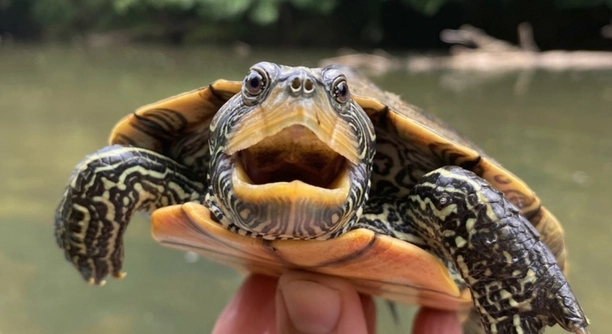
Map turtles are a popular pet for many reptile lovers. To ensure they thrive in captivity, proper care is essential, including their need for UVB light. This helps mimic natural conditions that promote their health and well-being.
UVB light is crucial for map turtles as it helps them synthesize vitamin D3, which is necessary for calcium absorption and bone health. Without adequate UVB exposure, map turtles can develop serious health issues, including shell deformities and weakened bones.
Learning how to provide the right UVB light for your map turtle is key to their long-term health. Proper lighting can prevent problems like metabolic bone disease and other avoidable conditions.
What is UVB Light and Why Does it Matter for Map Turtles?
UVB light is a type of ultraviolet light that plays a vital role in the health of many reptiles, including map turtles. In the wild, map turtles naturally receive UVB rays from the sun. These rays help them produce vitamin D3, a nutrient necessary for proper calcium absorption. Without it, map turtles can suffer from metabolic bone disease, a condition that weakens their bones and affects their overall health. In captivity, UVB light must be replicated with special bulbs designed for reptiles. These lights should be placed above the turtle’s basking area to ensure they can absorb enough rays.
UVB light is especially important for map turtles because they rely on it to stay healthy. Without proper exposure, they can develop a range of issues, including weakened shells and bones, which can lead to long-term problems.
When setting up a habitat for map turtles, it’s essential to choose the right UVB bulb and position it correctly. This ensures your turtle can bask under the light safely and absorb all the benefits it provides.
What Happens Without UVB Light?
Without UVB light, map turtles cannot produce enough vitamin D3, leading to severe health problems. Over time, they may develop issues with their shells, bones, and immune system.
Map turtles are dependent on UVB light for the synthesis of vitamin D3. Without it, they can’t absorb calcium properly, which can lead to a variety of health problems. One of the most common issues is metabolic bone disease. This condition weakens the bones and can cause deformities in the shell. In more severe cases, the bones may become so brittle that they break or fracture easily.
Aside from physical deformities, a lack of UVB exposure can lead to a weakened immune system, making the turtle more vulnerable to infections and diseases. Their overall energy levels may decrease, and they might stop eating as much or become more lethargic. In extreme cases, prolonged UVB deficiency can shorten the turtle’s lifespan. This highlights how crucial it is to provide consistent UVB lighting for map turtles, ensuring their health and longevity.
How to Provide UVB Light for Map Turtles
When setting up UVB lighting for map turtles, ensure that the bulb you choose is specifically designed for reptiles. The bulb should emit UVB rays that mimic natural sunlight. Position it over the basking area, keeping it about 6 to 12 inches from where your turtle will rest.
You’ll want to replace the UVB bulb every 6 to 12 months because the intensity of the light decreases over time, even if the bulb still works. A timer can help you maintain a consistent day-night cycle, providing 10-12 hours of light each day.
Along with UVB light, make sure your map turtle has access to basking spots, where it can warm up and absorb the rays. A combination of UVB and heat will keep your turtle healthy, providing the necessary nutrients for growth and strength. This setup closely mimics the natural environment, encouraging your turtle to thrive.
Other Ways to Support Map Turtle Health
In addition to UVB light, proper diet and hydration are important for a map turtle’s well-being. A balanced diet of leafy greens, aquatic plants, and occasional protein can provide essential nutrients. Without the right food, your turtle may struggle to stay healthy, even with proper lighting.
Regularly cleaning the habitat is also crucial to prevent harmful bacteria from affecting your turtle’s health. Change the water frequently, scrub surfaces, and remove uneaten food. This ensures that your turtle’s environment is safe, supporting its immune system and overall health. Regular check-ups with a vet can also help spot any issues early, ensuring long-term wellness. Keeping everything in balance is key to a thriving, happy map turtle.
Signs Your Map Turtle Needs More UVB Light
If your map turtle is spending less time basking or showing signs of lethargy, it could be a sign that it’s not getting enough UVB light. Watch for these behaviors as they could indicate the need for better lighting conditions.
A lack of UVB light might also lead to shell deformities or softening. If you notice any unusual changes, such as weakened shells or bones that feel soft, these are clear indicators of insufficient vitamin D3 absorption. Ensure the UVB light is positioned correctly and that it’s replaced regularly.
Troubleshooting UVB Light Issues
If your turtle is not benefiting from its UVB light, check the intensity and placement of the bulb. UVB light can lose its strength over time, so even if the light seems to be working, it might not be emitting enough rays to make a difference.
Ensure the light is placed at the proper distance, and don’t forget to replace it as needed. If the bulb is too far from your turtle’s basking area, it won’t absorb enough UVB. Positioning it closer can help, but be mindful not to make it too hot for your turtle to stay under.
FAQ
What is the best UVB light for a map turtle?
The best UVB light for a map turtle is one specifically made for reptiles. Look for a bulb with a UVB output between 5.0 and 10.0, depending on the size of your turtle’s tank and its distance from the light. A fluorescent UVB bulb works well, but mercury vapor bulbs can also provide both UVB and heat, making them a good choice for larger enclosures. Always ensure the light is high-quality and appropriate for your turtle’s specific needs.
How long should the UVB light be on for a map turtle each day?
Map turtles should have 10-12 hours of UVB light each day. This mimics the natural daylight cycle, promoting healthy basking habits and vitamin D3 production. A timer can be used to keep the light consistent. It’s important to turn the light off at night to mimic the natural day-night cycle and allow your turtle to rest.
Can map turtles get too much UVB light?
Yes, map turtles can get too much UVB light. Overexposure can cause burns or discomfort. However, this is less common with proper light placement. The UVB light should not be too close to the turtle’s basking area, as this could lead to heat stress or skin damage. Be sure to monitor the temperature and UV intensity to avoid any issues.
How often should I replace the UVB bulb?
UVB bulbs should be replaced every 6-12 months, even if they are still working. Over time, the UVB output weakens, and your turtle may not get the necessary amount of UVB. Be sure to check the manufacturer’s guidelines for the recommended replacement interval and replace the bulb promptly to maintain optimal health for your turtle.
Can a regular light bulb provide UVB for map turtles?
No, regular light bulbs do not emit UVB rays. Standard incandescent or LED light bulbs only provide visible light and heat, which are not sufficient for your turtle’s health. Only UVB-specific bulbs are designed to provide the necessary ultraviolet light that map turtles need to produce vitamin D3 and absorb calcium.
How can I tell if my map turtle is getting enough UVB light?
Signs that your map turtle is getting enough UVB light include active basking behavior, a strong appetite, and healthy shell growth. If your turtle is lethargic, has soft or deformed shell areas, or seems to avoid basking, it could be a sign that it’s not getting enough UVB exposure. Regular check-ups with a vet can also help monitor your turtle’s overall health.
Should I use a UVB light if my map turtle is outside?
If your map turtle is outside, it will likely receive natural sunlight and UVB exposure. However, if the weather is cloudy or if you are concerned about enough UVB light, consider supplementing with artificial UVB lighting. It’s especially important during colder months when your turtle is kept indoors.
Can I use a basking lamp instead of UVB light?
A basking lamp provides heat, but it doesn’t emit UVB light. It is important to use a UVB light in addition to a basking lamp to ensure your map turtle’s health. The basking lamp will help your turtle maintain an appropriate temperature while the UVB light will provide the necessary radiation for vitamin D3 production.
What temperature should the basking area be for a map turtle?
The basking area should be between 85-95°F (29-35°C) for map turtles. This temperature range allows your turtle to warm up while basking under the UVB light. Ensure the basking spot is not too hot, as this could cause heat stress. You can adjust the temperature by raising or lowering the wattage of your heat bulb or adjusting its distance from the basking area.
Can I use a UVB light for my map turtle at night?
No, UVB lights should not be used at night. Turtles, like most reptiles, require a natural day-night cycle. Keeping the UVB light on at night disrupts this cycle and can cause stress. It is best to turn off the UVB light when it gets dark and ensure your turtle has a dark, quiet environment to rest in.
How far should the UVB light be from my map turtle?
The distance between the UVB light and your map turtle’s basking area depends on the type of UVB bulb you are using. For most fluorescent bulbs, 6-12 inches is ideal. However, for mercury vapor bulbs, the distance can be around 12-24 inches. Always follow the manufacturer’s recommendations for optimal distances to avoid overexposure or underexposure to UVB rays.
Can UVB light affect my turtle’s behavior?
Yes, UVB light can affect your map turtle’s behavior. If your turtle is not getting enough UVB, it may become lethargic, lose its appetite, or stop basking. With proper UVB exposure, your turtle will be more active, engage in regular basking, and exhibit healthy behavior patterns. Providing consistent UVB light encourages natural activity and promotes a healthy metabolism.
How do I know if my UVB bulb is working properly?
To check if your UVB bulb is working, you can use a UVB meter. These devices measure the intensity of UVB radiation and can help ensure that your turtle is receiving the right amount. If you don’t have a meter, replace the bulb every 6 to 12 months as a precaution to maintain proper UVB levels.
Can my map turtle get enough UVB light from a window?
Direct sunlight through a window can provide some UVB light, but glass filters out a significant amount of UVB radiation. If you want your map turtle to receive adequate UVB light, it’s best to use a dedicated UVB light source in its enclosure. Keep in mind that too much direct sunlight can also cause overheating.
Is it necessary to use both heat and UVB light for my map turtle?
Yes, both heat and UVB light are necessary for your map turtle’s health. The heat helps maintain an appropriate basking temperature, while the UVB light promotes vitamin D3 production and calcium absorption. A combination of both allows your turtle to thrive, as it can bask, digest, and stay healthy under the right conditions.
Final Thoughts
Providing the right UVB light for your map turtle is essential for its overall health and well-being. UVB light mimics the natural sunlight map turtles would receive in the wild, helping them produce vitamin D3, which is crucial for calcium absorption. Without adequate UVB exposure, your turtle may face health problems like metabolic bone disease, soft shells, and weakened bones. Ensuring your map turtle has the proper light setup is one of the most important steps in caring for it in captivity.
While UVB light is key to their health, it’s also important to maintain a proper temperature range in the basking area, as well as providing a balanced diet and clean water. The combination of UVB light, heat, and proper nutrition creates a supportive environment for your turtle to thrive. Regularly monitoring the UVB light’s intensity and replacing the bulb when needed will help keep your turtle’s health in check. Having a reliable setup with the right equipment can prevent many common health issues and ensure that your map turtle enjoys a long, healthy life.
Remember, map turtles rely on a consistent day-night cycle. This means giving them about 10-12 hours of UVB light per day, followed by a dark period at night. Overexposure to UVB light can also be harmful, so be sure to place the light at the appropriate distance from the basking area. With proper care, your map turtle can live a healthy, happy life, free from the issues caused by UVB deficiency. Always stay proactive and keep an eye on your turtle’s behavior and shell condition, as these can be important indicators of whether it’s getting the proper care it needs.

Hello,
If you enjoy the content that we create, please consider saying a "Thank You!" by leaving a tip.
Every little bit helps us continue crafting quality advice that supports the health, happiness, and well-being of pets around the world, for pets of all shapes, sizes, and species.
We really appreciate the kindness and support that you show us!