
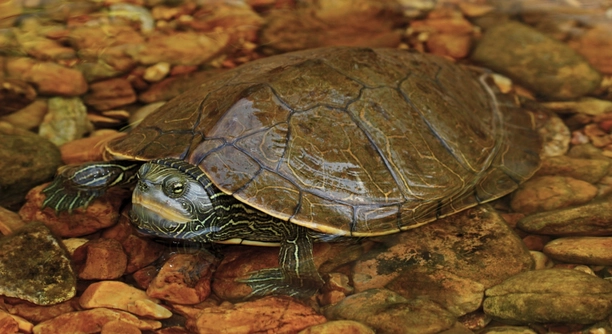
Moving map turtle eggs requires care to ensure their safety and survival. If you’re handling eggs, it’s important to do so with caution to prevent any harm to the developing turtles inside.
To safely move map turtle eggs, gently scoop them with a soft tool like a small shovel or spoon, making sure to keep them oriented the same way they were found. Avoid touching the eggs with bare hands to reduce the risk of damaging the shell or disturbing the embryos.
Handling turtle eggs is a delicate process, and the following tips will help ensure their protection. Keep reading to discover the best techniques for moving them without causing harm.
Importance of Handling Eggs with Care
When moving map turtle eggs, the key is to avoid disturbing them too much. These eggs are fragile, and even small changes in their environment can affect their development. Turtles rely on the conditions of their nests to hatch successfully. By keeping the eggs in the same position and handling them with care, you can help ensure their best chance of survival.
Moving eggs from the nest may be necessary due to potential risks, such as predators or flooding. It’s important to note that map turtle eggs are very sensitive to temperature and humidity changes. The safest method is to transfer them as quickly as possible to a secure location without altering their environment.
In some cases, transferring eggs may also be done to protect them from human interference or construction activities. However, this should always be done with careful planning. Keeping the eggs in an incubator that mirrors natural conditions is essential for proper development. As a general rule, always use tools rather than touching the eggs directly.
Choosing the Right Tools
The right tools make all the difference when handling turtle eggs. It’s best to use soft, wide tools like a small shovel or spoon.
These tools will allow you to scoop the eggs without pressing down on them. This helps keep the eggs intact and reduces any chance of cracking or damage. It’s best to keep your tools clean to avoid introducing harmful bacteria that could affect the eggs. A careful, light touch is essential during the entire process.
Creating the Ideal Incubation Conditions
After relocating the eggs, creating the right conditions for incubation is vital. Map turtle eggs require warmth and humidity to develop properly. In nature, the temperature of the surrounding soil influences the sex of the hatchlings. As such, replicating these conditions is crucial when incubating the eggs elsewhere.
Use an incubator that can maintain a consistent temperature, ideally between 75°F and 85°F. It’s also important to monitor humidity levels to prevent the eggs from drying out or becoming too moist. A humidity level of around 70% is ideal. You may need to periodically check the eggs to ensure the incubator’s conditions remain stable.
Another important consideration is the substrate in which the eggs are placed. Use a moist, well-draining material, such as damp sand or vermiculite, which will help maintain humidity levels without suffocating the eggs. If the eggs are placed in soil, make sure the soil is not too dense or compacted.
Handling Eggs During Transportation
Transporting map turtle eggs can be tricky. To avoid damaging them, it’s essential to secure them properly. Make sure the container you use is soft and cushioned to prevent sudden movements. This helps protect the eggs during travel and keeps them in the correct orientation.
Using a shallow container lined with a soft, damp cloth or towel is an excellent way to keep the eggs safe. The towel helps cushion the eggs while also maintaining a proper level of moisture. It’s important that the container is kept at a stable temperature during the move, so avoid placing it in direct sunlight or areas with fluctuating temperatures.
If the eggs need to be moved over a long distance, consider using a portable incubator to maintain ideal conditions. This ensures that temperature and humidity levels are consistent throughout the trip. Remember, the goal is to minimize stress and environmental changes that could harm the developing embryos.
Identifying and Handling Damaged Eggs
Sometimes, you may notice a cracked or damaged egg during the process. It’s essential to identify such eggs early so you can take the proper steps. A cracked egg can lead to contamination, so it should be handled carefully and possibly discarded if the damage is too severe.
If an egg has a minor crack, you can sometimes fix it by gently taping the crack with a small strip of medical tape. Be sure to use a sterile, non-adhesive tape to avoid any harm to the egg. Once taped, place the egg in the incubator immediately to prevent it from drying out. If the crack is too large, it’s better to remove the egg from the batch to avoid potential contamination of other eggs.
Any damaged eggs should be monitored closely for signs of rot or infection. Removing them from the incubator as soon as you notice issues can prevent the spread of bacteria to other eggs, improving the chances for the healthy eggs to hatch successfully.
Monitoring Egg Development
Regularly check the eggs to ensure proper development. Keep a close eye on temperature and humidity levels, adjusting them as needed. These conditions can affect how the embryos grow inside the eggs, so consistency is key for successful hatching.
When monitoring egg development, take care not to disturb the eggs too much. Instead of picking them up, use a thermometer and hygrometer to check the environment inside the incubator. If you need to move the eggs, do so carefully to maintain their position. Any significant shifts may disrupt the development process.
Preparing for Hatchlings
Once the eggs are close to hatching, it’s crucial to prepare a suitable environment for the hatchlings. Ensure the area is clean, dry, and free from any predators. The hatchlings will need time to emerge safely and adjust to their surroundings before they head out on their own.
Creating a safe space for the hatchlings includes providing a soft substrate, like sand or soil, where they can easily move and dig. Additionally, be mindful of temperature fluctuations, as sudden changes can stress the young turtles. If you’re unsure, it’s always best to consult with an expert before proceeding.
FAQ
What is the best way to handle map turtle eggs?
The best way to handle map turtle eggs is by using soft tools like a small spoon or shovel to scoop them out of their nest. Always keep the eggs in the same orientation and avoid touching them directly with your hands. This reduces the risk of damaging the delicate shells and disrupting the embryos inside. Make sure to move the eggs quickly to a safe and stable location.
How can I tell if a turtle egg is viable?
To check if a map turtle egg is viable, you can perform a process called candling. Gently hold the egg up to a bright light source and look for signs of embryo development, such as blood vessels or a dark spot. A non-viable egg will appear opaque or show no signs of life. However, keep in mind that candling should be done carefully to avoid cracking the eggs.
How long do map turtle eggs take to hatch?
Map turtle eggs typically take about 60 to 90 days to hatch, depending on the temperature and humidity. Warmer temperatures can shorten the incubation period, while cooler temperatures may extend it. During this time, it’s crucial to maintain a consistent environment with the right levels of warmth and moisture for the eggs to develop properly.
What should I do if the eggs are exposed to unfavorable conditions?
If the eggs are exposed to unfavorable conditions like extreme heat, flooding, or handling errors, they may be damaged. In such cases, it’s essential to relocate the eggs to a more suitable environment immediately. Make sure to create a stable temperature and humidity level to help give the eggs the best chance at survival. Damaged eggs should be monitored closely for any signs of rot or mold.
Can I move turtle eggs from their original nest?
Yes, you can move turtle eggs if their original nest is at risk from predators, flooding, or other environmental threats. However, it’s important to do this carefully to avoid harming the eggs. Relocate them to a similar environment where the temperature, humidity, and positioning can be controlled. Using soft tools and minimizing the amount of handling is key during this process.
Is it safe to touch map turtle eggs?
It’s best to avoid touching map turtle eggs with your bare hands, as oils and dirt from your skin can contaminate the eggs and harm the developing embryos. If touching is absolutely necessary, wear gloves or use soft tools to handle the eggs. Always keep them oriented as they were found to avoid damaging the embryos inside.
How do I set up an incubator for turtle eggs?
To set up an incubator, place the eggs in a shallow container lined with moist sand or vermiculite. Ensure the incubator maintains a temperature between 75°F and 85°F and a humidity level of around 70%. Monitor the temperature and humidity regularly to avoid drastic changes. The incubator should be kept in a quiet, stable location away from direct sunlight or drafts.
Can I use a homemade incubator for turtle eggs?
Yes, a homemade incubator can be used for turtle eggs if it is capable of maintaining stable temperature and humidity levels. You can create a simple incubator using a plastic container, a thermometer, and a hygrometer. Fill the container with damp sand or vermiculite to provide the right environment. Be sure to monitor the conditions regularly to ensure they remain consistent.
What do I do if an egg is cracked during the handling process?
If an egg becomes cracked during handling, it’s important to act quickly. Minor cracks can sometimes be repaired by taping the crack with sterile medical tape. However, if the crack is severe, it may be best to discard the egg to prevent contamination of other eggs. Cracked eggs should be monitored closely for signs of infection or mold.
Should I move the eggs if I find them in the wild?
If you find map turtle eggs in the wild, it’s best to leave them where they are unless they are in imminent danger from predators or flooding. Moving the eggs can disrupt their natural development process. However, if you do need to relocate them, ensure that you replicate the original environment and conditions as closely as possible to improve the chances of successful hatching.
How can I prevent predators from getting to the turtle eggs?
To protect turtle eggs from predators, you can cover the nest with a fine mesh or protective barrier. Be sure the mesh is not too tight, as the eggs need to breathe. In some cases, you can place a fake nest around the eggs to confuse predators. Regular monitoring of the nest area will help you address any predator threats quickly.
What should I do when the hatchlings emerge?
Once the hatchlings emerge from their eggs, it’s important to give them time to adjust. Ensure the area is clean and safe for them to move around. Avoid handling the hatchlings unless necessary, as they are fragile. Provide a soft substrate, like sand or soil, to help them dig and move around easily.
How do I ensure the proper temperature for hatching?
Maintaining the proper temperature is crucial for successful hatching. Map turtle eggs need to be kept between 75°F and 85°F during incubation. A consistent temperature ensures that the embryos develop at the right pace. Use a reliable thermometer to monitor the incubator and adjust the settings as needed.
Final Thoughts
Moving map turtle eggs can be a delicate process, but with the right care, it is possible to help ensure their survival. It’s essential to handle the eggs gently and to keep them in the same orientation as when they were found. This will reduce the risk of damaging the eggs or disturbing the embryos inside. Using soft tools, like a small shovel or spoon, instead of handling them with your hands can help protect the fragile shells. Creating the ideal environment for the eggs is crucial, especially if they need to be moved from their original nest. Proper temperature and humidity levels are necessary for the eggs to develop properly and hatch successfully.
While it may seem like a straightforward task, moving and incubating turtle eggs comes with several challenges. It’s important to stay patient and observant throughout the process. Once the eggs are relocated, make sure to monitor the incubator’s conditions regularly. Small changes in temperature or humidity can affect the development of the embryos, so consistency is key. If you encounter any damaged eggs, address them promptly to avoid contaminating the others. Taking the time to understand the requirements of map turtle eggs and creating a stable environment can significantly improve the chances of hatching healthy turtles.
In the end, moving map turtle eggs is a responsibility that requires careful planning and attention to detail. Whether you’re relocating eggs to protect them from predators or environmental hazards, the goal is always to give the eggs the best chance of survival. By following the steps outlined in this article and ensuring the proper incubation conditions, you can support the successful development and hatching of map turtles. Protecting these eggs and helping the hatchlings find their way into the world is a rewarding experience that contributes to the conservation of these amazing creatures.

Hello,
If you enjoy the content that we create, please consider saying a "Thank You!" by leaving a tip.
Every little bit helps us continue crafting quality advice that supports the health, happiness, and well-being of pets around the world, for pets of all shapes, sizes, and species.
We really appreciate the kindness and support that you show us!