
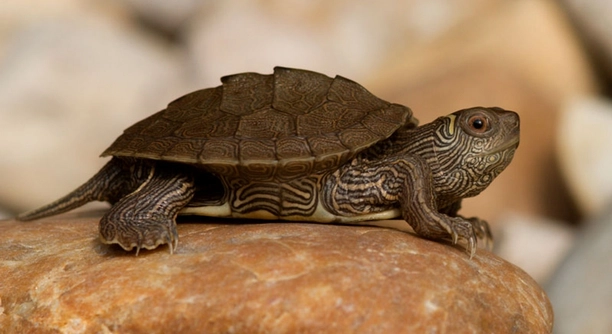
Transitioning a map turtle from one tank to another can be a challenging yet rewarding process. With the right preparation and approach, it can ensure a smooth adjustment for your turtle’s health and comfort.
The transition involves gradually acclimating your map turtle to the new environment. Ensuring the water temperature, filtration, and basking areas are consistent with the previous tank will help reduce stress and allow your turtle to adjust easily.
Learning how to make this transition as seamless as possible will improve your turtle’s overall wellbeing. The right steps can lead to a happy and healthy turtle thriving in its new habitat.
Preparing the New Tank for Your Map Turtle
Before moving your map turtle, it’s essential to set up the new tank properly. Start by ensuring the tank is the right size for your turtle. Map turtles can grow quite large, so they need ample space to move around. Check the water temperature and make sure it’s within the ideal range of 75°F to 80°F (24°C to 27°C). Proper filtration is also crucial for keeping the water clean and healthy. Ensure there are enough hiding spots, basking areas, and UVB light for your turtle’s health.
Once the tank is ready, check the water quality and adjust any settings as needed. Map turtles are sensitive to poor water conditions, so test the water for ammonia, nitrites, and nitrates to ensure everything is balanced.
This preparation is key to reducing any stress for your turtle. When the new tank is set up properly, your turtle will feel more at ease as it transitions to its new home.
Gradually Introducing Your Map Turtle
When it comes time to move your map turtle, take it slow. You don’t want to overwhelm your pet by suddenly transferring it to an unfamiliar tank.
Place your turtle in the new tank after the water temperature and conditions are adjusted. Avoid adding too many changes at once, as this can confuse or stress your turtle. For example, don’t introduce new tank decorations or rearrange the setup right after the move. Instead, keep the new environment as close as possible to the previous one, at least initially.
The gradual introduction will allow your map turtle to feel more comfortable and start exploring its new space at its own pace. Make sure to monitor your turtle closely for the first few days to see how it’s adapting and if it’s eating, basking, and swimming as usual.
Monitoring Your Map Turtle After the Move
Once your turtle has settled into its new home, it’s important to watch for signs of stress or illness. Pay close attention to how your turtle behaves in the first few days.
If your map turtle isn’t eating, basking, or swimming, these could be signs of stress. Stress can be caused by factors like improper water temperature, poor water quality, or unfamiliar surroundings. Adjust the tank environment if necessary and keep an eye on your turtle’s behavior.
It may take a little time for your turtle to feel completely at ease in the new tank. Be patient and avoid making too many changes right away. Your map turtle may take a few days or even weeks to adjust fully to its new environment.
Water Quality and Filtration
Good water quality is essential for your turtle’s health, especially during the transition. Map turtles are sensitive to changes in their environment, and poor water conditions can cause problems like shell rot or respiratory issues.
Test the water regularly for ammonia, nitrites, and nitrates. Keep the pH level between 6.5 and 7.5, and make sure the water is clean and clear. If the filtration system isn’t strong enough, consider upgrading it to better support the needs of your turtle.
Adding a good filter can make a significant difference in maintaining a healthy environment. A strong filter helps remove waste, debris, and harmful chemicals from the water, keeping it safe for your turtle. Proper water quality will reduce stress and promote a healthy, happy turtle in its new tank.
Maintaining Consistency in Lighting
Map turtles need proper lighting to stay healthy. Ensure that the basking area has a heat lamp, providing warmth around 85°F to 90°F (29°C to 32°C).
UVB lighting is also crucial for your turtle’s shell and bone health. Without it, your turtle may develop issues like metabolic bone disease. The UVB light should be on for 10-12 hours each day.
Feeding Your Map Turtle After the Move
You may notice that your turtle’s appetite changes after moving to a new tank. Keep offering its usual food, like leafy greens, aquatic plants, and protein sources such as insects or fish.
Map turtles can become picky if stressed, but it’s important to stick to their regular feeding routine. Monitor your turtle’s food intake and adjust accordingly, especially if it’s not eating as much at first.
Adjusting Tank Decor and Substrate
After the move, consider whether the tank’s decor and substrate are suitable for your map turtle’s needs. If you’ve changed the layout, make sure there are still places for your turtle to hide and bask.
A soft, sand-like substrate is usually best for map turtles. This allows them to dig and feel secure, as opposed to sharp gravel, which could injure them. Make sure there are no small objects that your turtle could ingest.
FAQ
How long should I wait before moving my map turtle to a new tank?
It’s a good idea to wait until your turtle has adjusted to its environment and seems comfortable. If you’re upgrading its tank, it can be moved once the new setup is fully prepared. Allow at least a few days to make sure the water quality and temperature are stable before making the transition.
Will my map turtle eat less after the move?
Yes, it’s normal for map turtles to eat less immediately after a move. Stress from the transition can affect their appetite. Keep offering food and ensure the tank’s conditions are optimal. It might take a few days before your turtle feels comfortable enough to eat regularly again.
How do I know if my map turtle is stressed?
Signs of stress in map turtles can include not eating, hiding more than usual, swimming erratically, or staying at the bottom of the tank. Changes in behavior may also be due to poor water quality, incorrect temperatures, or sudden alterations to their habitat. Monitoring their activity and adjusting the environment can help reduce stress.
Can I put decorations or new items in the tank right after the move?
It’s better to wait before introducing new decorations or rearranging the tank. A new environment is already a lot to adjust to, and adding unfamiliar objects can increase stress. Once your turtle has settled in, you can gradually make changes to the tank. Keep the environment as familiar as possible for the first few days.
What water temperature is best for map turtles after a move?
The water temperature should be between 75°F and 80°F (24°C to 27°C) for map turtles. It’s important to maintain this range, as fluctuating temperatures can cause stress or health issues. Use a reliable thermometer to monitor the temperature and adjust the heater if necessary.
How often should I change the water in the new tank?
Water changes should be done regularly to keep your turtle’s environment clean. A 25-50% water change every one to two weeks is usually sufficient, depending on the tank size and filtration. If you notice cloudy water or strong odors, more frequent changes may be necessary. Always check the water quality with a test kit to keep it balanced.
What should I do if my map turtle isn’t basking in the new tank?
If your turtle isn’t basking, it could be due to incorrect basking area temperatures or lighting. Check the heat lamp to make sure the basking area reaches 85°F to 90°F (29°C to 32°C). The UVB light should be on for 10-12 hours a day. If the setup is correct, your turtle should return to basking soon.
Is it okay to add more turtles to the new tank after the move?
It’s best to give your map turtle time to settle in before introducing new turtles. Adding more turtles too soon can increase stress, especially if there are territorial disputes. Wait until your turtle seems adjusted to the new tank and environment before considering any tank mates.
Can I use the same filter from the old tank in the new one?
Using the same filter can be a good idea since it may help maintain beneficial bacteria that your turtle is used to. However, make sure the filter is appropriately sized for the new tank. If the new tank is larger, a more powerful filter might be needed. Regularly clean the filter to ensure it’s working efficiently.
Should I add a substrate to the new tank?
Adding a substrate like sand can help mimic your turtle’s natural habitat, but it’s important to choose one that’s safe. Avoid using sharp or small gravel that your turtle could accidentally ingest. Sand is often the best option, but make sure it’s not too fine, as it can cloud the water.
Final Thoughts
Moving a map turtle to a new tank doesn’t have to be a stressful experience for you or your turtle. By preparing the new tank properly, ensuring the water quality is ideal, and keeping lighting and heating consistent, you can help your turtle adjust smoothly. It’s important to set up the new tank with care, mimicking the conditions of the old one as closely as possible. Gradually introducing your turtle to the new environment helps reduce stress and allows it to feel more secure.
Monitoring your turtle’s behavior after the move is crucial. Keep an eye on its eating habits, swimming, and basking to make sure everything is going well. If your turtle seems stressed, try adjusting the tank conditions, such as the water temperature, lighting, and filtration. A healthy and comfortable environment is key to helping your map turtle thrive. If your turtle is acting differently than usual, don’t panic. It’s normal for it to take some time to adjust. Patience and consistent care are often all it needs.
In the end, the goal is to create a stable and supportive environment for your map turtle. Taking the time to properly transition your turtle to a new tank ensures its health and happiness in the long run. Regular maintenance, proper water quality, and the right setup are all part of keeping your turtle comfortable and thriving. With the right care, your turtle will soon feel at home in its new tank and continue to grow and flourish.

Hello,
If you enjoy the content that we create, please consider saying a "Thank You!" by leaving a tip.
Every little bit helps us continue crafting quality advice that supports the health, happiness, and well-being of pets around the world, for pets of all shapes, sizes, and species.
We really appreciate the kindness and support that you show us!