
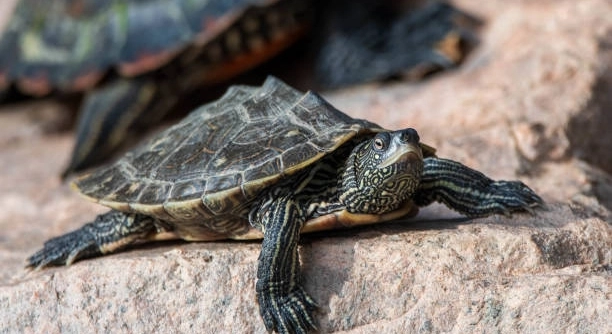
Creating a self-sustaining ecosystem for map turtles requires attention to their needs and the right balance of elements. These turtles thrive in environments that mimic their natural habitats, where plants, water, and animals coexist harmoniously.
A self-sustaining ecosystem for map turtles can be established by ensuring proper water quality, providing natural food sources, and maintaining a balanced habitat with appropriate lighting and temperature. Careful attention to each component is crucial for long-term success.
Maintaining this balance will keep your map turtles happy and healthy while creating a natural, thriving environment. It’s not just about meeting their basic needs but ensuring a thriving habitat where each element supports the others.
Understanding the Basics of Map Turtle Habitat
Map turtles are native to rivers and lakes and require specific conditions to thrive. In the wild, they live in areas with clear, flowing water and access to basking spots, like rocks or logs. When creating an ecosystem, it’s important to replicate these conditions. A tank or pond should have clean water, a good filtration system, and a basking area that lets them dry off and soak up some sun. Temperature control is also vital—map turtles need a warm area for basking and cooler water for swimming.
Water quality is essential for the health of map turtles. Dirty water can lead to health issues like shell rot. A high-quality filtration system can help maintain cleanliness by removing waste. Regular water changes are necessary to keep the environment healthy. This also helps control algae growth, which can otherwise take over the tank.
Temperature control is another factor that cannot be overlooked. Providing the right basking spot and water temperature encourages natural behavior. Map turtles are cold-blooded and rely on their environment to regulate their body temperature. Too hot or too cold can lead to stress and health problems.
Choosing the Right Plants and Decorations
Incorporating plants into your turtle’s habitat can benefit the ecosystem by improving water quality. Live plants help oxygenate the water and provide hiding spots for your turtles. They also help control algae by competing for nutrients. When selecting plants, look for varieties that are safe for turtles, such as water lilies, hornwort, or anacharis.
Adding decorations like rocks, driftwood, or artificial caves creates a more natural setting for the turtles. These items give them spaces to hide, bask, and explore. Avoid sharp objects that might harm their shells. The more closely you mimic their natural environment, the healthier your turtles will be.
Proper Lighting for Map Turtles
Map turtles need access to natural sunlight or artificial lighting that mimics it. A UVB light is crucial for their health, helping them synthesize vitamin D3, which is necessary for shell development and overall wellbeing. Without it, they can develop shell deformities and other health issues.
Ensure the UVB light is positioned correctly, about 12 inches from the basking area, and stays on for around 10 to 12 hours a day. If you’re using artificial lighting, choose a high-quality bulb designed specifically for reptiles. This will provide both UVB and UVA rays, crucial for regulating their behavior and promoting natural activity levels.
It’s also important to provide a heat lamp in addition to the UVB light. This heat source should create a warm basking area that allows the turtles to dry off and regulate their body temperature. The basking spot should be between 85 and 90°F, while the water temperature should be cooler, around 75°F.
Maintaining Water Quality
Clean water is essential for the health of map turtles. They spend a lot of time swimming and basking in the water, so ensuring it’s free from toxins, waste, and bacteria is crucial. A high-quality filtration system is the first step to maintaining water quality in the tank or pond. Filters help remove debris, excess food, and waste, which can otherwise pollute the water.
Even with a filter, you’ll need to change a portion of the water regularly. Replace about 20-30% of the water every 1-2 weeks to maintain optimal conditions. This prevents the buildup of harmful substances like ammonia and nitrites that can affect turtle health. Keep an eye on the water’s pH levels, ensuring they stay within the safe range of 6.5 to 7.5. Proper water chemistry is essential to avoid skin infections or other health problems.
A clean environment promotes healthy turtles and reduces the likelihood of diseases, making your ecosystem more self-sustaining in the long run. Keeping the water clean will also encourage natural behaviors like foraging and swimming, contributing to the overall wellbeing of your turtles.
Feeding Map Turtles
Map turtles are omnivores, meaning they need a varied diet to stay healthy. They eat a mix of plants, insects, and small fish. Offer them food such as leafy greens, aquatic plants, worms, and insects to simulate their natural diet in the wild.
Avoid overfeeding, as it can lead to obesity and water quality issues. It’s best to feed them small portions a few times a week, depending on their age and size. Remove any uneaten food promptly to prevent decay in the water.
Creating the Right Basking Area
A suitable basking area is a must. It should be dry, stable, and easy for your turtles to climb onto. Provide a flat rock, dock, or platform where they can fully dry off and warm up under the heat lamp.
A basking area helps prevent shell rot and promotes natural behaviors. Turtles should be able to fully access the area without difficulty. If the area is too small or slippery, your turtles may not use it regularly.
Tank Size and Space Requirements
Map turtles need space to swim, bask, and explore. The larger the tank, the better. A general rule is to provide at least 10 gallons of water per turtle. Larger tanks also help maintain better water quality, making it easier to manage the environment.
A spacious tank offers enough room for the turtles to swim and exercise, reducing stress and promoting healthier behavior. Additionally, providing ample space ensures your turtles can establish territories, which reduces potential conflicts between them. A cramped space can lead to aggression, poor health, and poor water quality.
FAQ
How often should I clean my map turtle’s tank?
Cleaning your map turtle’s tank depends on the size of the tank and the filtration system. In general, you should replace 20-30% of the water every 1-2 weeks. If you have a smaller tank or a filter that isn’t very strong, you may need to do this more frequently. It’s also a good idea to clean the decorations, basking area, and filter media every month. Regular maintenance ensures that the water stays clean and reduces the chances of bacterial growth, which can harm your turtles.
What temperature should the water be for map turtles?
The water temperature for map turtles should be around 75°F (24°C). You can achieve this by using a submersible heater. The basking area should be warmer, between 85°F and 90°F (29°C to 32°C), to allow the turtles to dry off and regulate their body temperature. Consistent temperature control is crucial for your turtles’ health, as drastic temperature changes can cause stress or illness.
Can I keep more than one map turtle together?
Yes, you can keep multiple map turtles together, but it’s important to ensure they have enough space. If you have more than one, a larger tank (at least 40 gallons or more) is necessary to prevent territorial disputes. You should also monitor their behavior regularly for signs of aggression. Map turtles are typically peaceful, but overcrowding or insufficient basking spots can lead to stress and conflict.
Do map turtles need a UVB light?
Yes, map turtles need UVB lighting to synthesize vitamin D3, which is essential for calcium absorption and overall health. Without UVB light, they are at risk of developing shell deformities and bone problems. You should use a UVB bulb designed for reptiles and ensure it’s positioned correctly over the basking area, ideally 12 inches away. These lights should be on for 10-12 hours a day.
How can I tell if my map turtle is healthy?
Healthy map turtles have clear, bright eyes, a smooth, firm shell, and are active when they’re not basking. They should also eat regularly and swim or explore their environment. If your turtle is lethargic, has cloudy eyes, or shows signs of a soft or deformed shell, it may be sick. Regular check-ups with a reptile vet can also help ensure your turtle’s health.
What kind of food should I feed my map turtle?
Map turtles are omnivores, so they need a balanced diet that includes both animal and plant-based foods. You can feed them leafy greens like collard greens and dandelion leaves, along with aquatic plants like anacharis or water lettuce. They also enjoy small fish, worms, and insects like crickets. It’s important to vary their diet to ensure they get all the necessary nutrients. Avoid overfeeding to prevent obesity and water quality issues.
Can I keep map turtles with other animals?
Map turtles can generally be kept with other species as long as the tank is large enough, but there are some risks. Be cautious when introducing fish or other aquatic creatures, as map turtles may see them as food. It’s best to keep them with other non-aggressive reptiles or amphibians. Always monitor interactions to ensure there’s no bullying or competition for resources.
What should I do if my map turtle isn’t eating?
If your map turtle isn’t eating, the first step is to check the water temperature, lighting, and water quality. Stress from poor conditions can cause turtles to lose their appetite. Make sure your turtle has a proper basking spot and is getting enough UVB light. If conditions are optimal and your turtle still refuses food, it could be sick, and you should consult a vet.
How long can map turtles live?
Map turtles can live for 20-30 years in captivity when given the proper care. Their lifespan can vary depending on factors such as diet, water quality, and the quality of their environment. Providing a proper habitat, balanced diet, and regular maintenance will help your turtles live a long, healthy life.
What size tank do I need for my map turtle?
A minimum of 40 gallons of water is recommended for a single adult map turtle. If you have more than one, you’ll need an even larger tank to provide enough space for each turtle to swim, bask, and explore without overcrowding. Larger tanks also help maintain better water quality and reduce the frequency of water changes.
Can I use tap water for my map turtle’s tank?
It’s best to avoid using untreated tap water for your map turtle’s tank, as it may contain chlorine, chloramine, or heavy metals that can harm your turtle. If you must use tap water, treat it with a water conditioner to remove harmful chemicals. Alternatively, you can use filtered or distilled water to ensure it’s safe for your turtles.
Do map turtles need a substrate?
Map turtles don’t require a substrate in their tanks, but you can add one if you prefer. Many owners use sand, river rocks, or gravel, but it’s important to avoid small gravel that could be swallowed. If you choose to use substrate, make sure it’s not too deep, as it can make cleaning more difficult and may cause respiratory issues if your turtle accidentally inhales it.
How do I set up a proper basking area for my map turtle?
To create a suitable basking area, use a large, flat surface like a rock, dock, or platform that is easy for your turtles to climb onto. Make sure the area is completely dry and positioned under the heat lamp. This allows your turtle to dry off and regulate its body temperature. Ensure the area is large enough for your turtle to fully bask without feeling crowded.
Creating a self-sustaining ecosystem for map turtles involves understanding their natural needs and providing the right environment. The key elements are clean water, proper lighting, a suitable basking area, and a balanced diet. By focusing on these factors, you can create a habitat where your turtles will thrive. Remember, the goal is to replicate their natural environment as closely as possible, ensuring they have everything they need to stay healthy and happy.
It’s important to regularly monitor the water quality and temperature in the tank. Map turtles are sensitive to their surroundings, and small changes in water chemistry or temperature can affect their health. A good filtration system, routine water changes, and careful attention to the tank’s conditions will help maintain a stable and clean environment. Keeping an eye on their diet is just as important. Map turtles need a balanced mix of plant and animal-based foods to stay healthy. Overfeeding or feeding the wrong foods can lead to health problems, so make sure you’re offering a variety of safe, nutritious options.
Lastly, always be mindful of the space your turtles need. A large tank with enough room for swimming and basking is crucial. The more space they have, the better they can express natural behaviors and avoid stress. Providing proper lighting and a comfortable basking area helps map turtles regulate their body temperature and promotes natural behaviors like basking and foraging. With attention to detail and the right care, you can create an ecosystem that will support your map turtles for years to come.

Hello,
If you enjoy the content that we create, please consider saying a "Thank You!" by leaving a tip.
Every little bit helps us continue crafting quality advice that supports the health, happiness, and well-being of pets around the world, for pets of all shapes, sizes, and species.
We really appreciate the kindness and support that you show us!