
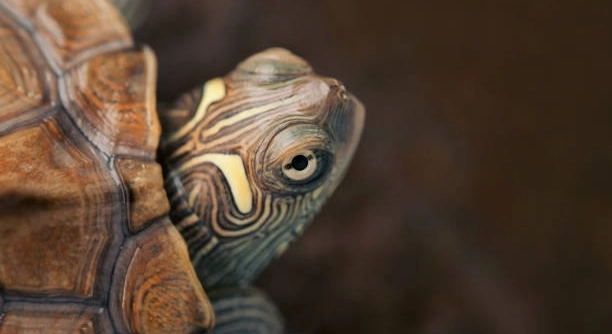
Map turtles are fascinating creatures, and as pet owners, we want to ensure they stay healthy. Fungal infections can be an unfortunate problem for these turtles, but with the right care, they can be prevented.
To prevent fungal infections in map turtles, proper tank maintenance, clean water, and a balanced diet are essential. Regular UVB light exposure and the use of high-quality water filters can significantly reduce the risk of fungal growth in their environment.
Keeping your map turtle’s habitat clean and maintaining their diet will help avoid fungal infections. The following tips provide simple, effective ways to ensure their health and happiness.
1. Maintain Clean Water and Tank Conditions
The water in your map turtle’s tank plays a big role in preventing fungal infections. Dirty water can harbor bacteria and fungi, making it a breeding ground for illness. Regular water changes and keeping the tank clean will reduce these risks. Ensure the water is properly filtered, so your turtle can swim and drink without harm. Pay attention to the temperature as well; water that is too warm can encourage fungal growth, while water that is too cold might cause other health issues.
A good water filter is essential for keeping the tank’s water fresh. Without it, the buildup of waste and bacteria becomes a significant problem. Use a filter that’s appropriate for the size of the tank and remember to replace the filter media regularly.
Clean the tank frequently and remove any uneaten food, waste, or algae that can pollute the water. A little upkeep can go a long way in keeping your turtle healthy and fungus-free.
2. Offer a Balanced Diet
A healthy, balanced diet strengthens your map turtle’s immune system. Poor nutrition weakens the turtle’s defenses, making them more vulnerable to infections. Provide fresh greens, vegetables, and high-quality turtle pellets. Avoid overfeeding and be sure the diet is varied to cover all nutritional needs.
Turtles need a mix of protein and plant-based food to stay healthy. Too much protein can be harmful, and too little can lead to deficiencies. It’s essential to offer food that mimics their natural diet in the wild, including leafy greens like romaine lettuce, dandelion greens, and aquatic plants. Rotate their food sources regularly to keep things interesting.
It’s important to know that feeding them too many high-protein foods like insects can result in obesity and other health issues. Find the right balance to ensure your turtle’s overall well-being and minimize the risk of fungal infections.
3. Ensure Proper Lighting and Temperature
Proper lighting, especially UVB light, is vital for map turtles. This light helps them absorb calcium, which is important for strong shells and healthy bones. Without UVB light, your turtle’s immune system can suffer, leaving them more susceptible to infections, including fungal ones. Along with UVB lighting, it’s crucial to maintain a consistent temperature in their habitat.
Make sure your turtle has a basking area where they can dry off and warm up under a heat lamp. This helps regulate their body temperature and provides a break from the water. Map turtles also need a slight gradient in temperature from the water to the basking area. This allows them to choose the warmth that suits them best.
A temperature range of around 75°F to 85°F in the water is ideal for most map turtles. Too high or low of a temperature could stress the turtle and compromise their immune system. Keep the area warm but not overheated, and avoid placing the tank in a drafty or sunny location that could cause temperature fluctuations.
4. Keep Their Shell Clean
Map turtles spend a lot of time in the water, and their shells can easily collect dirt, algae, or bacteria. This can lead to infections, including fungal ones. Regularly scrub your turtle’s shell using a soft brush or cloth. Avoid harsh chemicals that could harm them.
Cleaning their shell is an easy task, but it requires consistency. Once a week, gently wipe their shell with warm water to remove algae or dirt buildup. Pay extra attention to the underside of the shell, where debris may accumulate. This can help prevent infections and keep your turtle feeling comfortable.
If you notice any soft spots or discoloration, it’s important to take action immediately. These could be signs of a fungal infection or shell rot. Keeping the shell clean and inspecting it regularly helps detect potential issues early and prevents them from worsening.
5. Avoid Overcrowding in the Tank
Overcrowding can cause stress among turtles, leading to weakened immune systems and a higher risk of fungal infections. A stressed turtle is more likely to suffer from illness, and overcrowding can also affect the tank’s water quality. It’s crucial to ensure your map turtle has enough space.
Each map turtle requires ample space to swim freely, bask, and avoid unnecessary stress. A small, crowded tank forces turtles to compete for resources and space, which can result in injuries or infections. Ideally, each turtle should have at least 10 to 20 gallons of water per inch of shell length.
Monitor the behavior of your turtles to make sure they are not fighting over space or food. Overcrowding can also lead to excess waste in the water, which quickly becomes a breeding ground for bacteria and fungi. By providing enough room, you improve your turtles’ well-being and reduce the likelihood of infections.
6. Remove Uneaten Food Regularly
Leaving uneaten food in the tank creates an ideal environment for bacteria and fungi to grow. Map turtles are messy eaters, and leftovers can spoil quickly, causing water contamination. Remove any leftover food to keep the tank clean.
After feeding your turtle, check for any uneaten food and remove it within a few hours. This helps maintain water quality and reduces the chances of fungal growth. Regular cleaning also keeps the tank fresh, preventing an unhealthy buildup of organic material.
By removing uneaten food promptly, you reduce the risk of fungal infections while also improving the overall quality of your turtle’s environment.
7. Regular Health Checks
Regular health checks are key to spotting early signs of fungal infections or other issues. Examine your map turtle for any unusual changes in behavior or appearance. A healthy turtle should have clear eyes, a firm shell, and active swimming habits.
Monitor for signs of infection, such as swelling, discoloration, or a lack of appetite. If you notice anything unusual, it’s important to act quickly. A simple visual inspection of their shell, skin, and eyes can often reveal issues before they become serious. Early detection is crucial in preventing infections from spreading and affecting the turtle’s health.
Keeping track of your turtle’s health ensures they stay in top condition and helps you spot any potential problems before they escalate. Regular checks should be part of your routine to keep your map turtle healthy.
8. Quarantine New Turtles
Introducing a new turtle to your tank can be risky if they have undetected fungal infections. Quarantining new turtles before introducing them allows you to monitor their health and ensure they won’t infect your other turtles.
For at least two weeks, keep the new turtle in a separate tank to observe their condition. During this time, check for any signs of illness, including swelling, skin lesions, or irregular behavior. Quarantining helps prevent the spread of diseases and gives you time to treat any infections before they spread to your main tank.
FAQ
What are the early signs of a fungal infection in map turtles?
The first signs of a fungal infection in map turtles can include discoloration of the skin or shell, especially white, gray, or yellow patches. You might also notice swelling or softness in the shell. If your turtle seems lethargic or loses its appetite, these could be signs that something is wrong. In severe cases, you may see a foul smell or visible lesions. Any change in behavior or appearance should be a red flag. Early intervention is important for preventing the infection from spreading or worsening.
How often should I clean my map turtle’s tank?
You should clean your map turtle’s tank at least once a week. However, partial water changes should be done every 2 to 3 days to maintain water quality. The tank should be thoroughly cleaned once a week, which includes scrubbing the sides and bottom to remove algae, waste, or debris. Don’t forget to clean the filter and replace the filter media as needed. Regular maintenance ensures that the water stays fresh and reduces the risk of fungal growth.
Can map turtles get fungal infections from other pets?
Yes, if other pets, like fish or amphibians, are kept in the same tank, they can potentially introduce fungi or bacteria. Keeping a separate tank for each species is the safest way to avoid cross-contamination. If your map turtle is housed with other animals, make sure to monitor all inhabitants closely for any signs of illness. Additionally, always wash your hands thoroughly after handling one pet before handling another.
What kind of UV light does my map turtle need?
Map turtles require UVB light to stay healthy. A UVB light helps them absorb calcium and supports their immune system. The best UVB lights for turtles are those that emit light in the 290-320 nm wavelength range, as this is the most effective for vitamin D3 production. You should provide a UVB light for around 10 to 12 hours each day. Make sure the light is positioned at the right distance from the turtle’s basking spot to provide adequate exposure.
Is it okay to feed my map turtle store-bought pellets?
Yes, high-quality store-bought turtle pellets can be part of a map turtle’s diet. However, they should not be the only food provided. Pellets often lack the variety and nutrients that fresh vegetables and protein can offer. A mix of leafy greens, vegetables like carrots and squash, and occasional protein sources like insects or shrimp is ideal for a balanced diet. Pellets should be used as a supplement, not a replacement, for fresh food.
How can I treat a fungal infection in my map turtle?
If you suspect a fungal infection, it’s best to consult with a veterinarian who specializes in reptiles. In some cases, topical antifungal treatments may be prescribed to apply directly to the affected area. For mild cases, gently cleaning the affected area with warm, non-chlorinated water may help. Make sure to keep the tank clean, adjust water conditions, and ensure proper lighting and temperature to help your turtle recover. Never attempt to treat a fungal infection without professional guidance.
Can I use salt baths to treat a fungal infection?
Salt baths are sometimes used as a supplementary treatment for minor fungal infections. They can help by creating an environment that is inhospitable to fungi. A mild salt bath, using non-iodized salt in lukewarm water, can help disinfect and soothe minor fungal outbreaks. However, this should only be done for short periods, and you should always consult a veterinarian before attempting this method. Salt baths alone are not sufficient to treat a serious infection.
What is the ideal tank temperature for my map turtle?
The ideal water temperature for a map turtle ranges between 75°F and 85°F (24°C to 29°C). This helps ensure they are comfortable and can digest their food properly. The basking area should be slightly warmer, around 90°F to 95°F (32°C to 35°C), so they can dry off and soak up heat. Too low or too high of a temperature can stress the turtle and make them more vulnerable to infections, including fungal ones.
Should I quarantine a new turtle before introducing it to the tank?
Yes, quarantining a new turtle for at least 2 weeks before introducing it to the main tank is essential. This allows you to monitor its health and make sure it’s free of any infections, including fungal ones. During the quarantine period, observe the turtle closely for any signs of illness, such as skin lesions, abnormal behavior, or appetite loss. Quarantining helps protect your other turtles from potential exposure to diseases or parasites.
How do I know if my map turtle’s shell is healthy?
A healthy shell should be hard, smooth, and free of cracks or soft spots. Look for uniform coloring with no patches of white, yellow, or gray, which could indicate fungal infections or shell rot. Regularly check for any swelling or softening of the shell, which could be signs of infection. Healthy turtles also have active behavior and eat well. If you notice any irregularities, consult a veterinarian for a checkup.
Can I use chemicals to clean my turtle tank?
It’s best to avoid using harsh chemicals like bleach to clean your turtle’s tank. These chemicals can leave residues that are harmful to your turtle. Instead, use aquarium-safe cleaners or a diluted vinegar solution to scrub the tank. After cleaning, rinse the tank thoroughly to ensure no cleaning agents are left behind. Regular tank maintenance with gentle cleaning methods is the safest option for your turtle’s health.
How do I prevent my map turtle from becoming stressed?
Stress can weaken your map turtle’s immune system and make it more vulnerable to infections. Avoid overcrowding the tank, as this leads to competition for resources. Provide a variety of hiding spots and basking areas to help your turtle feel secure. Keep the water clean and monitor the temperature and lighting to avoid environmental stress. Regularly check your turtle for signs of stress, such as lethargy or loss of appetite, and adjust their environment as needed.
Final Thoughts
Taking care of a map turtle involves more than just feeding and providing a tank. Proper tank maintenance, a balanced diet, and regular health checks are essential for preventing fungal infections and ensuring your turtle stays healthy. Keeping the water clean and filtered, along with regular water changes, creates an environment where your turtle can thrive. A healthy tank environment reduces the risk of fungal infections and other health problems, which is why consistency is important.
In addition to a clean tank, your map turtle needs proper lighting, including UVB light, to stay strong. UVB light helps them absorb the calcium needed for healthy shell growth and overall well-being. Without proper lighting, their immune system may weaken, making them more susceptible to infections. Temperature is another key factor. A stable, appropriate water temperature supports your turtle’s health and helps prevent the growth of harmful bacteria or fungi. Keeping the basking area warm is also essential for their comfort and health.
Lastly, always pay attention to your turtle’s behavior and appearance. Regularly checking for any signs of illness, such as changes in their shell, skin, or eating habits, helps catch problems early. If you notice anything unusual, addressing it quickly can prevent minor issues from becoming serious. Quarantining new turtles before introducing them to an existing tank is also a smart practice. By maintaining a clean habitat, offering a balanced diet, and monitoring their health closely, you can help ensure your map turtle lives a long, healthy life.

Hello,
If you enjoy the content that we create, please consider saying a "Thank You!" by leaving a tip.
Every little bit helps us continue crafting quality advice that supports the health, happiness, and well-being of pets around the world, for pets of all shapes, sizes, and species.
We really appreciate the kindness and support that you show us!