
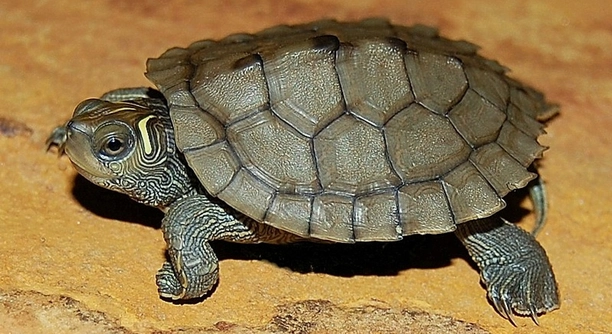
Map turtles are a popular species in many homes as pets, but when it comes to tank setup, one question often arises. Are plants necessary for their environment? This article explores the importance of plants in map turtle tanks and the pros and cons of adding them.
Map turtles do not need plants in their tanks to survive, but plants offer several benefits, such as promoting natural behavior and improving water quality. However, they can also require additional maintenance and may be damaged by the turtles.
The right decision for your map turtle tank depends on the balance between the turtles’ needs and tank upkeep. Let’s look at how plants affect their environment.
Why Plants Can Be Beneficial for Map Turtles
Adding plants to a map turtle tank has many benefits. Plants help maintain the balance in the tank’s ecosystem by absorbing excess nutrients, which reduces the growth of harmful algae. They also provide hiding spots and basking areas, encouraging the turtles to engage in natural behaviors. Plants can make the environment feel more like a turtle’s natural habitat, providing the turtles with a more comfortable and enriching space.
Having plants in the tank can also aid in keeping the water cleaner. Certain types of plants naturally filter the water by taking in waste and carbon dioxide. This results in less frequent water changes, which can save time and effort in tank maintenance. It can also keep your turtles healthier by ensuring that the water they swim in is free from harmful toxins.
However, not all plants are ideal for a map turtle tank. Some plants may get uprooted or eaten by the turtles, causing a mess in the tank. You will need to choose hardy plants that can handle the turtles’ activity. Another consideration is that plants require care and attention. You may need to trim them regularly or provide extra lighting, depending on the type of plants you have chosen.
Potential Drawbacks of Adding Plants
While plants can enhance your tank, there are also drawbacks. Regular maintenance is needed, and some plants may not survive the turtles’ activities.
For example, map turtles often love to explore and may unintentionally destroy or uproot plants in their environment. This can lead to frustration, as replacing plants can be costly. Additionally, you may find yourself needing to replace plants more often than expected.
The Right Plants for Map Turtle Tanks
When selecting plants for your map turtle tank, it’s important to choose sturdy varieties. Java ferns, anubias, and duckweed are great options because they are resilient and can handle the turtles’ movements. These plants tend to survive in environments with active turtles and can thrive in low light.
Some plants, like water lilies, are less ideal for map turtles. Turtles may nibble on delicate plants or uproot them entirely. For the best results, stick to plants that grow slowly and are harder for turtles to damage. You can also attach some plants to rocks or driftwood to prevent them from being uprooted.
You may also want to consider the specific needs of your turtles. Some map turtles enjoy basking on plants, so incorporating floating plants like water lettuce could provide extra space for basking while still being durable. With a careful selection, plants can add to the tank’s health and appeal without too much trouble.
Tank Maintenance With Plants
Maintaining a tank with plants requires regular attention to both the plants and water quality. In addition to routine water changes, you will need to check if the plants are growing properly. Sometimes, plants may need pruning to prevent overgrowth, especially in a small tank.
If your map turtles enjoy eating plants, it’s essential to monitor the health of your plants. Regularly removing dead or damaged plant matter from the tank can help prevent it from decaying and negatively affecting the water. You can also add aquarium-safe fertilizers to encourage plant growth, but be cautious not to overdo it, as this can disrupt the tank’s balance.
Impact of Plants on Water Quality
Plants can help maintain better water quality in your turtle tank. They absorb excess nutrients like nitrogen and phosphorus, which are waste products from both the turtles and uneaten food. This helps reduce the growth of algae and keeps the water clearer for longer.
By filtering out some of the toxins in the water, plants can provide a healthier environment for your map turtles. With the right plants, you may notice fewer signs of water pollution, such as cloudy water or foul odors. Plants can also reduce the frequency of water changes, which is a big plus.
Turtles’ Interaction with Plants
Map turtles are naturally curious creatures, and they may be drawn to plants in their tank. However, this interaction can result in uprooting or eating plants, so it’s crucial to observe their behavior. Some turtles are more gentle with plants, while others may show more interest in nibbling them.
Understanding your turtle’s personality can help you decide which plants to include. If your turtles are particularly destructive, you might want to focus on hardier, floating plants that are less likely to be damaged. Adjusting plant selection based on the turtles’ behavior is key to keeping the tank healthy.
Benefits of Plants Beyond the Turtles
In addition to helping with water quality and offering hiding spaces, plants contribute to the overall aesthetic of the tank. A well-planted tank looks more natural and can create a more pleasant environment for both the turtles and you. It can add a calming effect, making your tank more enjoyable to look at.
FAQ
Do map turtles need live plants in their tank?
Map turtles do not necessarily need live plants to survive, but plants offer several advantages. Live plants can help improve water quality, provide hiding spots, and mimic the turtle’s natural environment. However, they require maintenance, and some turtles may eat or damage the plants. If you’re comfortable with plant care and maintenance, adding live plants can be a great choice for creating a more enriching tank environment.
What types of plants are best for map turtle tanks?
Hardy plants that can handle the active nature of map turtles are best. Java ferns, anubias, and duckweed are good options as they grow slowly and are less likely to be damaged by the turtles. Floating plants like water lettuce can also provide additional space for basking. Be sure to choose plants that are tough enough to withstand turtle activity without being uprooted easily.
Can map turtles live with artificial plants instead of real ones?
Yes, map turtles can live with artificial plants. Artificial plants do not provide the same water-quality benefits as live plants, but they can still offer hiding spots and a more natural appearance to the tank. They are also much easier to maintain, as you don’t have to worry about trimming or replacing them due to damage. However, artificial plants won’t help with algae control or water filtration.
Will my map turtles eat the plants in their tank?
Map turtles are known to nibble on plants, so it’s possible they will eat some of them. This depends on the individual turtle’s behavior. Some map turtles are more likely to chew on plants, while others may leave them alone. If your turtles are particularly plant-eating, you may want to select tough, fast-growing plants that can handle the chewing.
How do I prevent my map turtles from destroying the plants?
To reduce the chances of your map turtles destroying plants, you can secure the plants to rocks or driftwood using aquarium-safe fishing line. This prevents the turtles from uprooting them. Another strategy is to choose plants that are tougher and less likely to be eaten, such as Java ferns or anubias. Providing plenty of hiding spots and basking areas can also distract the turtles and reduce their focus on plants.
How often should I clean the plants in my turtle tank?
Cleaning the plants depends on their growth rate and the overall tank conditions. Regularly remove any dead or decaying leaves to prevent water contamination. You may also need to trim the plants to keep them from overcrowding the tank. In general, it’s a good idea to check the plants every 1-2 weeks to ensure they are healthy and not contributing to water quality issues.
Can plants help reduce algae in a map turtle tank?
Yes, plants can help reduce algae growth in the tank. Plants absorb excess nutrients like nitrogen and phosphorus, which are often responsible for algae blooms. By using live plants, you can help balance the tank’s ecosystem, reducing the need for chemical treatments or frequent cleaning to control algae. However, it’s still important to monitor the tank’s water quality regularly.
How do I care for the plants in my turtle tank?
Caring for plants in a map turtle tank involves providing proper lighting, maintaining water parameters, and cleaning the plants regularly. Some plants may require additional care, like periodic trimming or replanting. For plants that need high light, ensure the tank has a suitable light source, such as LED or fluorescent bulbs. Keep an eye on the water temperature, pH, and hardness to ensure optimal plant health.
Do I need to add fertilizers for the plants in my turtle tank?
While some plants may benefit from additional fertilization, many can thrive without it. If you notice slow plant growth or yellowing leaves, you may consider adding aquarium-safe fertilizers to supplement nutrients. Be careful not to over-fertilize, as excess nutrients can lead to algae problems and affect the overall balance of your tank.
Can map turtles live without plants?
Yes, map turtles can live without plants in their tank. While plants can provide a more natural and enriching environment, they are not essential for the turtle’s survival. You can still maintain a healthy tank for your map turtles with just the right water conditions, basking spots, and appropriate feeding. However, adding plants can improve the overall well-being of your turtles and enhance the tank’s appearance.
Final Thoughts
Adding plants to a map turtle tank has both advantages and challenges. Plants can improve water quality by absorbing excess nutrients, which helps reduce algae growth. They also provide hiding spots and enrichment for your turtles, making their habitat more natural. However, not all plants are suitable, and some may be damaged by the turtles’ activity. Map turtles may nibble on or uproot plants, so it’s important to select durable varieties that can withstand their movements. If you’re looking to add a more natural touch to the tank, plants can certainly enhance the environment, but be prepared for some maintenance.
On the other hand, if you prefer a low-maintenance option, artificial plants are a good alternative. They can still provide visual interest and hiding spots for the turtles, without the worry of plant destruction or care. Artificial plants won’t improve water quality the same way live plants do, but they can still make the tank look more appealing. Choosing the right setup for your map turtles depends on what works best for your lifestyle and the time you can commit to tank maintenance.
Ultimately, whether or not to include plants in your map turtle tank comes down to personal preference and priorities. If you want to create a more natural, bioactive environment, live plants can be beneficial. However, they require attention and may not always survive in a tank with active turtles. If you want to focus on ease and practicality, artificial plants can still provide some of the same aesthetic benefits. Either way, the most important thing is to maintain a clean and healthy environment for your turtles, with or without plants.

Hello,
If you enjoy the content that we create, please consider saying a "Thank You!" by leaving a tip.
Every little bit helps us continue crafting quality advice that supports the health, happiness, and well-being of pets around the world, for pets of all shapes, sizes, and species.
We really appreciate the kindness and support that you show us!