
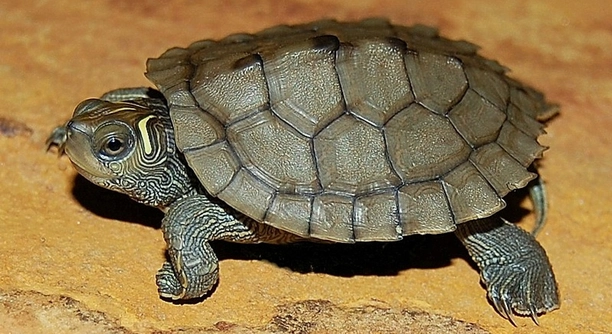
Algae growth in a map turtle tank is a common issue many owners face. The green buildup can be frustrating, affecting both the appearance and health of the tank environment. Understanding the cause is key to solving it.
Excessive algae growth in map turtle tanks is often caused by improper lighting, overfeeding, or poor water filtration. These factors create an environment conducive to algae, allowing it to thrive and spread rapidly. Maintaining a balanced tank is essential for algae control.
There are several practical steps you can take to reduce algae and keep your tank clear. We’ll explore these solutions to help maintain a cleaner and healthier habitat for your map turtle.
Why Lighting Matters in Your Map Turtle Tank
One of the main reasons algae thrives in a turtle tank is poor lighting. When the light is left on too long or is too intense, it can promote algae growth. Map turtles need a consistent day and night cycle for their well-being, but algae can bloom if the lighting isn’t managed correctly. Algae feeds on the light, especially when the tank light is left on for long periods.
To prevent algae, it’s important to limit the light exposure to 10-12 hours a day. A timer can help ensure consistency. Choosing a light that mimics natural sunlight and is appropriate for your tank size will also support healthy growth for your turtle while controlling algae.
Ensure the tank’s light source is placed away from direct sunlight as this can cause an excess of light. Keep track of how long the light is on each day and make adjustments as needed. A good balance of light will not only keep your map turtle healthy but will also help prevent unwanted algae.
Water Quality and Filtration
Water quality is crucial for preventing algae buildup. If the water isn’t filtered properly, it can become murky and provide a breeding ground for algae. Algae grows more quickly in stagnant, unclean water.
A reliable water filtration system is essential to remove excess nutrients and waste that fuel algae growth. Clean, clear water will prevent algae from taking over and ensure a healthier environment for your turtle. Consider using a filter suitable for your tank size and one that offers both mechanical and biological filtration to maintain water clarity.
Overfeeding Your Map Turtle
Overfeeding is a common reason for algae growth in map turtle tanks. When food is left uneaten, it decays and creates excess nutrients in the water, which algae thrive on.
Feeding your map turtle too much can cause uneaten food to settle at the bottom, contributing to the growth of algae. Stick to a feeding schedule that matches your turtle’s appetite and remove any leftover food promptly. Consider feeding in smaller portions to avoid waste and keep the water cleaner.
You should also monitor how often you feed your turtle and avoid giving too much protein-rich food, as this can lead to higher nutrient levels in the tank. This will help maintain a balance in the tank and reduce algae growth.
Maintaining a Clean Tank
A dirty tank will always encourage algae to thrive. Regular cleaning is essential to control algae buildup and maintain a healthy environment for your turtle.
Clean the tank, filter, and decorations at least once a week. This includes scrubbing the tank walls and removing any algae buildup. By keeping the tank clean, you reduce the nutrients available for algae growth. It’s also a good time to check the water’s pH level, as high levels can cause algae blooms.
If algae continue to be a problem, consider adding algae-eating creatures like snails or shrimp to help keep things in check. Regular tank maintenance will keep the algae at bay and ensure your map turtle has a safe and clean home.
Water Temperature
Water temperature plays a role in controlling algae growth. When water is too warm, it can create the ideal conditions for algae to grow rapidly.
Map turtles do best in water between 75-85°F. Keeping the water in this range not only supports your turtle’s health but also helps prevent excessive algae growth. If your tank is too warm, consider adjusting the heater or adding a cooling system.
Using UVB Lighting
UVB lighting is important for map turtles to help them synthesize vitamin D3. However, the wrong UVB light can also lead to algae overgrowth.
Using proper UVB lights that are designed for turtles will benefit both your pet’s health and the tank’s ecosystem. Ensure the light is set at the correct distance to avoid overheating the tank, which can encourage algae growth.
FAQ
Why is algae growing so fast in my map turtle tank?
Algae grows quickly when there is an excess of nutrients in the tank, often caused by improper lighting, overfeeding, or poor filtration. Light encourages algae to bloom, while uneaten food and waste provide extra nutrients. Make sure to monitor both the light schedule and the cleanliness of the tank.
How often should I clean my map turtle tank?
You should clean your map turtle tank at least once a week. This includes scrubbing the tank’s walls, checking and cleaning the filter, and removing any algae buildup. Regular cleaning helps keep the water clear, reduces nutrients available for algae, and ensures your turtle’s environment remains healthy.
Can I use chemicals to remove algae?
While there are chemicals available to remove algae, they should be used with caution. Some can harm your map turtle or disrupt the balance of the tank. It’s always best to try natural methods like controlling light, cleaning regularly, and adding algae-eating creatures before turning to chemicals.
What’s the best filter for a map turtle tank?
A good filter should handle the size of your tank and provide both mechanical and biological filtration. Canister filters or external filters are ideal for larger tanks, as they provide better water flow and filtration. Make sure the filter is cleaned regularly to avoid clogging, which can lead to algae growth.
Should I reduce the light if I see algae in my tank?
Yes, reducing the light can help prevent further algae growth. Limit the light to 10-12 hours a day and avoid placing the tank in direct sunlight. Using a timer can ensure a consistent light schedule, which is important for both your turtle’s health and algae control.
What can I add to my tank to eat algae?
Algae-eating creatures, such as snails, shrimp, or certain species of fish, can help control algae in your tank. They feed on algae, keeping the surfaces clean and preventing it from becoming overwhelming. Just make sure the creatures are compatible with your map turtle.
How do I know if I’m overfeeding my map turtle?
Overfeeding can cause uneaten food to accumulate in the tank, providing excess nutrients that lead to algae growth. If your turtle leaves food behind after eating or if you notice the water becoming cloudy, you may be feeding too much. Stick to a regular feeding schedule and remove any leftovers after a few hours.
Can a UVB light cause algae to grow?
A UVB light is essential for your map turtle’s health, but too much heat from a strong UVB bulb can create favorable conditions for algae growth. Make sure the UVB light is placed at the right distance and that the tank is kept at an optimal temperature.
Is algae harmful to my map turtle?
Algae itself isn’t directly harmful to your map turtle, but it can cause issues with water quality and oxygen levels if left uncontrolled. Excessive algae can lead to cloudy water, which affects your turtle’s ability to see and breathe properly. Keeping the tank clean will prevent these problems.
How can I prevent algae in a new map turtle tank?
When setting up a new tank, ensure proper filtration, avoid overfeeding, and use a timer to control light exposure. Adding plants or algae-eating creatures can help maintain balance. Regular cleaning is essential, especially in the first few weeks, to keep the tank free of algae.
Can I use plants to control algae in my turtle tank?
Yes, live plants can help reduce algae by competing for the same nutrients. Plants absorb the excess nutrients in the water that algae need to grow, thereby keeping algae levels low. Just be sure the plants are suitable for a turtle tank, as turtles may nibble on them.
What water conditions do I need to avoid algae?
Keeping the water clean and at the proper pH is key. Algae thrive in warm, stagnant water with high nutrient levels. Make sure your water temperature is kept between 75-85°F and that the pH remains stable. Regular water changes and filtration will also help.
Can algae harm the filter in my tank?
Yes, algae buildup in the filter can clog it and reduce its efficiency. If algae starts accumulating in the filter, clean it regularly to maintain proper water flow. A clogged filter can lead to poor water quality, encouraging even more algae growth.
How do I handle persistent algae in my map turtle tank?
If algae continues to be a problem, despite proper lighting, feeding, and filtration, consider adjusting your tank setup. You may need to improve water circulation or add more algae-eating creatures. In some cases, slightly reducing the light exposure or switching to a more efficient filter can help.
Final Thoughts
Keeping a map turtle tank free of algae can seem like a constant challenge, but with the right steps, it’s manageable. Regular tank maintenance is key, and it’s essential to monitor water quality consistently. Cleaning the tank at least once a week and checking the filter regularly will help reduce excess nutrients that encourage algae growth. Maintaining a stable environment with proper lighting, temperature, and feeding routines can go a long way in keeping algae under control.
It’s also important to understand the balance between the needs of your turtle and the conditions of the tank. Overfeeding is one of the main contributors to algae problems, so always make sure to feed your map turtle only what it can eat in a reasonable time. Also, ensure there is minimal leftover food or waste in the tank after feeding. Installing a good filtration system will also help keep the water clean and free from excess nutrients. In some cases, adding algae-eating creatures like snails or shrimp can help keep algae levels in check.
Addressing algae in your map turtle tank doesn’t have to be a complex process. By adjusting lighting, ensuring proper tank maintenance, and managing feeding habits, you can minimize algae growth and maintain a healthy environment for your turtle. Keep these practices in mind, and your turtle’s habitat will remain clear, healthy, and algae-free.

Hello,
If you enjoy the content that we create, please consider saying a "Thank You!" by leaving a tip.
Every little bit helps us continue crafting quality advice that supports the health, happiness, and well-being of pets around the world, for pets of all shapes, sizes, and species.
We really appreciate the kindness and support that you show us!