
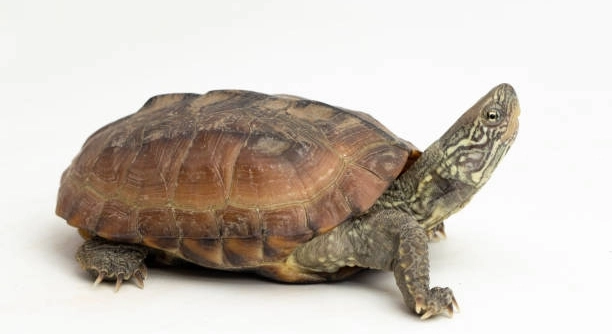
Musk turtles are fascinating creatures, but when left to roam freely, they can sometimes cause unexpected accidents. It’s essential to know how to prevent these situations to ensure their safety and yours.
To prevent accidents with free-roaming musk turtles, it’s important to create a safe environment, monitor their movements, and ensure they have secure spaces for swimming. Offering plenty of hiding spots can also reduce stress and accidents.
Taking proactive steps to avoid mishaps will ensure your musk turtles stay safe while exploring. This guide will help you establish a turtle-friendly environment that prevents accidents.
Create a Safe Space for Your Musk Turtle
Musk turtles, when given freedom, tend to explore every nook and cranny, which can sometimes lead to dangerous situations. A key step in preventing accidents is ensuring they have a well-designed, secure space. This space should be large enough for them to move around and explore but also free from hazards like sharp objects or any small spaces they might get stuck in. Adding plants, rocks, or even hiding spots can make it feel like a more natural habitat. Keeping the environment calm and clean will also help prevent unnecessary stress. The area should be dry, with proper water conditions, where they can easily get in and out. If you have a tank or an enclosed space, ensure it’s high enough to prevent escape attempts.
A simple and safe enclosure with clear boundaries gives your turtle the freedom to roam while also minimizing potential risks.
To make it safer, use an escape-proof enclosure with sturdy walls and a secure lid. Check for any gaps, and avoid sharp objects that could harm them. A designated space with controlled water levels keeps your turtle from wandering into areas that could be dangerous.
Monitor Their Movement
Once your turtle has its safe space, you’ll want to keep a watchful eye on them. Musk turtles are curious and persistent, so even the safest environment can become a risk if they roam unchecked. Keeping an eye on them ensures you can quickly intervene if they get into something harmful. You’ll also notice if they’re exhibiting unusual behavior that could signal stress or discomfort, preventing larger problems down the line.
Spending time observing your turtle allows you to better understand its movements and habits.
Musk turtles can be small but surprisingly agile, so it’s crucial to check that they aren’t squeezing through any unnoticed openings. If you let your turtle roam outside of its space, be sure to block off any dangerous areas like open stairs, pools, or rooms with chemicals or electrical cords. A simple monitoring system, like cameras or a regular check-in schedule, can also help track their movements in a larger space. Always pay attention to their behavior, as it can offer clues to their needs or the possibility of an accident waiting to happen.
Avoid Small Spaces
Musk turtles are excellent at finding small hiding spots. This can be a risk, as they might become stuck or trapped in areas you didn’t expect. Make sure to block off tight spaces where your turtle could wander into and have trouble escaping.
Consider using a mesh or solid barrier to cover areas like under furniture or in narrow hallways. It’s also a good idea to use safe, solid objects to prevent access to places where they might become wedged. While they love exploring, the more confined spaces can lead to unintended accidents. Ensuring they can’t fit into small crevices will make your space much safer. You can easily prevent this by inspecting your living area and setting up boundaries that limit access to those tricky spots.
Creating a more open environment will make it easier for them to move around, while keeping them from getting stuck in a tight spot. A larger enclosure can also help, allowing them more freedom while reducing the risk of getting into places where they shouldn’t go.
Secure Their Water
Water quality is essential for musk turtles. If the water in their habitat becomes dirty, it can cause health problems and increase the risk of accidents. It’s important to maintain clean water regularly, filtering out debris and waste.
By cleaning the tank water and checking the filtration system often, you can prevent issues like algae growth or water-borne bacteria. Dirty water not only creates an unsafe environment but also stresses the turtle, which can lead to abnormal behavior or accidents. Regular water changes can keep your turtle healthy and make it easier to spot potential issues.
A well-maintained water system provides a safer space for your turtle to swim, preventing them from coming into contact with harmful substances. Be sure to test the water for proper temperature and pH balance. A stable environment ensures your turtle’s comfort and safety while exploring its home.
Provide Hiding Spots
Musk turtles feel safest when they have places to hide. Adding hiding spots like rocks, plants, or logs can help them feel secure, reducing stress and accidents. It’s important to provide places where they can rest and retreat when needed.
The hiding spots should be easy to access and large enough for the turtle to hide in comfortably. They need privacy and security, which will also help them avoid dangerous situations. When they feel safe, they are less likely to explore areas that could be risky.
Providing multiple hiding spots will help your turtle thrive in its environment, creating a balance between safety and exploration. It can also offer a sense of control, making your turtle more relaxed and less prone to wandering into harmful areas.
Be Cautious with Other Pets
If you have other pets, especially ones that are larger or more active, extra care is needed. It’s essential to supervise interactions between your musk turtle and any other animals.
Other pets may unintentionally harm or stress your turtle. Even if they are friendly, the energy and movements of other animals can be overwhelming for a turtle. Ensure there’s a safe space where your turtle can retreat away from the other pets.
Set Up a Routine
Musk turtles benefit from having a consistent routine. Feeding and cleaning at the same time each day helps keep their environment predictable.
Establishing a routine also helps you monitor their behavior more effectively. When you know what to expect, it’s easier to spot anything unusual or risky. This way, your turtle stays in a safer, more controlled environment.
FAQ
How can I tell if my musk turtle is stressed?
Stress in musk turtles can show up in several ways. If your turtle is swimming erratically, hiding too much, or refusing to eat, it may be stressed. Another common sign is if it’s constantly trying to escape its enclosure. Stress could also cause your turtle to become less active or even stop eating, leading to health issues. It’s important to regularly observe their behavior to spot these signs early. Make sure the environment is quiet, comfortable, and safe to help reduce stress.
What should I feed my free-roaming musk turtle?
A balanced diet is crucial for a healthy musk turtle. They need both animal and plant-based food. Common options include insects, worms, fish, and leafy greens like kale or dandelion leaves. You can also offer small amounts of fruit, but this should not be a main part of their diet. Be sure to provide food that matches their natural diet, and make sure the food is properly sized for them to consume easily. Feeding them in their enclosure or in a designated area will also prevent any accidents during feeding time.
Is it okay to let my musk turtle roam outside its enclosure?
It’s okay to let your musk turtle roam outside its enclosure occasionally, but you must be cautious. Always supervise the turtle and ensure the area is turtle-proofed. If you’re allowing it to roam in a larger space, block off dangerous areas like stairs, pools, or places with sharp objects. It’s also important to make sure the floor is not slippery, as this could cause your turtle to fall or become stressed. Only allow supervised roaming to keep your turtle safe.
How do I prevent my musk turtle from escaping?
Musk turtles are determined, so escape-proofing is essential. Ensure the walls of their enclosure are tall enough to prevent climbing out. It’s also important to have a secure lid or top, especially for tanks. Check for any gaps or cracks that they might squeeze through. Additionally, be mindful of your turtle’s behavior. If they are trying to escape often, it could be a sign that their habitat needs to be adjusted, or they may not feel safe or comfortable in their environment.
What is the best way to keep the water clean?
Keeping the water clean is important for your turtle’s health and safety. Use a reliable filtration system to remove debris, waste, and bacteria. You should change the water regularly—usually once a week or more depending on the size of your tank and the number of turtles. You can also remove any uneaten food or waste daily to prevent it from decaying in the water. Testing the water for temperature and pH balance will ensure it’s suitable for your turtle’s needs. Regular cleaning of the filter will also keep the water fresh and safe.
How often should I clean my musk turtle’s enclosure?
Cleaning your turtle’s enclosure is a key part of keeping it safe. You should clean the tank or enclosure thoroughly once a week. This includes scrubbing the surfaces, replacing the substrate, and cleaning any decorations or hiding spots. If you have a filter, clean that regularly to ensure proper water flow. Daily maintenance, like removing uneaten food or waste, will also help keep the space clean and safe for your turtle. Regular cleaning prevents the buildup of harmful bacteria or algae that could pose a risk to your turtle.
Can musk turtles live with other animals?
Musk turtles can sometimes live with other species, but it depends on the animals involved. They are generally more comfortable in their own space and can be territorial. If you plan to house a musk turtle with other pets, be sure to monitor their interactions closely. Larger animals, such as fish or amphibians, might stress the turtle, while other reptiles can become aggressive. If you want to house your turtle with other animals, make sure both species have enough space and are compatible.
How do I create a comfortable basking area for my musk turtle?
Musk turtles need access to a basking area where they can dry off and warm up. A basking platform, rock, or log placed near a heat source will work well. Make sure the platform is easily accessible and stable, so your turtle feels safe using it. Keep the temperature of the basking area around 85–90°F to encourage proper thermoregulation. You can use a heat lamp or UVB light to help them get the necessary warmth and UV rays. It’s also essential to ensure the area is dry to prevent any risk of infection.
What temperature should the water be for my musk turtle?
Water temperature is essential for musk turtles’ well-being. Ideally, the water should be between 75–80°F to ensure your turtle is comfortable. If the water is too cold, it can cause stress and slow down their metabolism. Too warm, and it might cause them to become lethargic. Use a reliable aquarium heater to regulate the water temperature and monitor it regularly. Keeping the temperature consistent will prevent stress and promote a healthier, more active turtle.
How can I tell if my musk turtle is healthy?
A healthy musk turtle is active, has clear eyes, and a clean, intact shell. You should also see them eating and swimming regularly. If the turtle seems lethargic, has difficulty swimming, or refuses to eat, it could be a sign of health issues. Check for any signs of shell damage, discoloration, or skin problems, as these can be indicators of underlying health concerns. Regularly inspecting your turtle will help you catch any problems early before they become serious. If you’re ever unsure, consulting a veterinarian is a good idea.
Taking proper care of your musk turtle ensures its safety and well-being while preventing accidents. By creating a secure, well-designed space and keeping a close eye on its behavior, you can minimize risks and provide a comfortable environment. It’s essential to ensure your turtle has enough space to explore without facing any hidden dangers. This can be done by blocking off tight areas, securing water conditions, and offering hiding spots where it feels safe. The more control you have over its environment, the fewer accidents will occur.
Feeding your musk turtle the right diet is also a key part of its overall health. Offering a mix of animal and plant-based foods helps keep them strong and active. You should pay attention to their eating habits, as changes could indicate stress or health problems. Keep in mind that the balance of their diet, combined with a clean living environment, directly impacts their quality of life. Regularly monitor water quality, cleanliness, and temperature to ensure everything is functioning well. Proper care not only reduces the chances of accidents but also promotes long-term health.
Remember that a turtle’s behavior is often a reflection of its environment. If it seems stressed or is attempting to escape, that could be a sign that something needs adjusting. A consistent routine, adequate space, and regular monitoring will help you prevent accidents and keep your turtle safe. Even though free-roaming can be a fun way for your turtle to explore, always be cautious and aware of potential hazards. By taking small steps to turtle-proof your space, you’ll provide the best home for your musk turtle.

Hello,
If you enjoy the content that we create, please consider saying a "Thank You!" by leaving a tip.
Every little bit helps us continue crafting quality advice that supports the health, happiness, and well-being of pets around the world, for pets of all shapes, sizes, and species.
We really appreciate the kindness and support that you show us!