
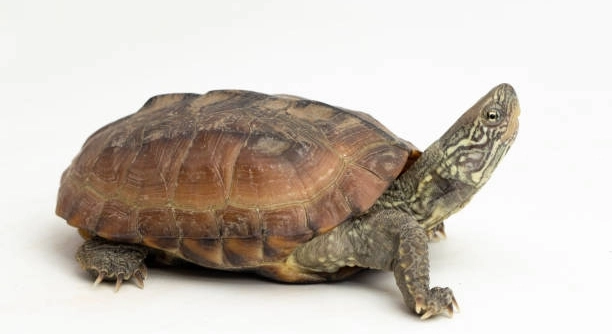
Caring for a musk turtle requires attention to detail, especially when choosing the right substrate for their habitat. A good substrate not only enhances the environment but also promotes their overall well-being.
The best substrate for musk turtles is one that mimics their natural habitat while providing a clean, safe, and easy-to-maintain environment. Common options include fine gravel, sand, and aquatic plants, which promote health and comfort for your turtle.
Understanding the best substrate for musk turtles will help you create a habitat that is both functional and enjoyable for your pet. Keep reading to learn about the top options and how to choose the right one for your turtle’s needs.
Why Substrate Matters for Musk Turtles
Choosing the right substrate for your musk turtle is important for their health. It helps replicate the natural environment, providing a comfortable place for them to rest, explore, and even burrow. A good substrate also plays a crucial role in maintaining clean water and preventing bacterial growth. Musk turtles spend most of their time in water, but they need a dry area too. The substrate will often serve as the foundation for both their aquatic and land needs. With the right choice, it can make caring for your turtle much easier and more enjoyable.
A poor substrate can lead to problems, such as trapped waste, which could harm your turtle. It’s important to consider both practical and aesthetic elements when selecting the substrate. What you choose should fit your turtle’s needs while making maintenance simple.
When you set up the enclosure, think about comfort and cleanliness. Proper substrate not only improves your turtle’s living conditions but also reduces the frequency of water changes. Keeping the habitat clean ensures your musk turtle stays healthy and happy.
Best Substrate Options for Musk Turtles
There are a few types of substrate that work well for musk turtles. Some options are better suited for aquatic setups, while others are more appropriate for dry land areas.
Gravel and sand are common choices for aquatic environments. They provide a natural look and allow water to flow through. Gravel is ideal for musk turtles because it prevents them from ingesting small particles, which can cause health problems. Sand is another option, but it’s best to use it in moderation, as it can sometimes cloud the water.
For dry land, a mix of coconut fiber or reptile carpet can be ideal. Coconut fiber absorbs moisture and is easy to clean, making it perfect for land areas. Reptile carpets are easy to wash and offer a comfortable surface for your turtle. Combining these materials ensures that you give your musk turtle the best of both environments—comfortable land and water areas.
Gravel Substrate for Musk Turtles
Gravel is one of the best substrates for musk turtles. It’s easy to clean and provides a natural environment. The size of the gravel matters, so choose medium-sized pebbles to avoid accidental ingestion.
Gravel offers several benefits for musk turtles. It allows water to flow through freely, preventing waste buildup. This keeps the water cleaner for longer, making maintenance easier. It also offers a stable surface for the turtle to walk on and can be used in both land and aquatic areas of their habitat.
However, ensure the gravel isn’t too small, as the turtles might try to eat it. The wrong size could lead to health issues like choking or digestion problems. Larger gravel pieces are safer and also prevent the turtles from disturbing it too easily.
Sand Substrate for Musk Turtles
Sand is another common choice, especially for the land area in your turtle’s habitat. It mimics a natural riverbed or beach and is soft for your turtle’s feet.
While sand can be visually appealing, it has both advantages and drawbacks. It allows for digging and burrowing, which is a natural behavior for musk turtles. However, it can easily cloud the water if too much is used in the aquatic area. For this reason, it’s better used sparingly, often in dry or semi-dry parts of the enclosure.
If you use sand in the water area, make sure it’s clean and free of fine particles. Fine sand can cloud the water and be difficult to clean. Opt for coarser sand that won’t make the water too murky or hard to manage.
Coconut Fiber Substrate for Musk Turtles
Coconut fiber is a great option for the land areas of your musk turtle’s habitat. It’s absorbent, comfortable, and easy to clean.
Coconut fiber helps maintain moisture levels in the enclosure, which is important for turtles that need a humid environment. It’s natural and safe, making it a good choice for areas where your turtle may rest or explore.
Reptile Carpet Substrate for Musk Turtles
Reptile carpet is another easy-to-maintain option. It’s safe for your turtle and provides a soft, non-slippery surface.
This substrate is reusable and simple to wash, making it a practical choice for land areas. Reptile carpet also prevents the turtles from accidentally ingesting substrate material, which can sometimes happen with sand or gravel.
How to Maintain Substrate in a Musk Turtle Enclosure
Proper maintenance of the substrate is key to keeping your musk turtle healthy. Regular cleaning and replacement of the substrate prevent bacteria growth.
To keep the habitat clean, remove waste from the substrate daily. This helps prevent the buildup of harmful bacteria and keeps the water cleaner. Changing the substrate every few weeks is also important to maintain a fresh environment for your turtle.
FAQ
What is the best substrate for a musk turtle?
The best substrate for musk turtles depends on your setup. Gravel is ideal for the aquatic areas of the habitat, as it allows water to flow and keeps the space clean. For the land areas, coconut fiber or reptile carpet is a good choice. These options maintain humidity and provide a comfortable surface for your turtle.
Can I use sand as a substrate for my musk turtle?
Yes, sand can be used but with caution. It’s great for the land area because it allows your turtle to dig and burrow. However, sand in the aquatic area can cloud the water and make cleaning harder. If you use sand, ensure it is coarse and avoid fine particles that can cause issues with water clarity.
How often should I clean the substrate in my turtle’s enclosure?
You should clean the substrate regularly. Remove waste daily to prevent bacteria buildup and keep the water clean. Depending on the type of substrate and size of the enclosure, you may need to replace the substrate completely every 3 to 4 weeks. Regular cleaning and changing help maintain a healthy environment for your turtle.
Can I mix different substrates in my musk turtle’s enclosure?
Yes, mixing substrates can create a more natural and comfortable habitat. For example, you can combine gravel for the aquatic area with coconut fiber or reptile carpet for the dry areas. This combination will give your turtle the variety they need for both land and water. Just be sure that the substrates are safe and easy to clean.
Is it safe to use fine gravel as a substrate for musk turtles?
Fine gravel is not the best choice for musk turtles. It can be easily ingested, leading to potential health issues. Instead, opt for medium-sized gravel that is too large for your turtle to swallow but small enough to allow water to flow through. This will help prevent any choking hazards.
Should I use artificial turf as a substrate for my musk turtle?
Artificial turf is not ideal for musk turtles. While it is easy to clean, it doesn’t provide the natural environment that turtles need. It also doesn’t retain moisture well, which can affect humidity levels. It’s better to choose substrates like coconut fiber or reptile carpet, which provide a more natural setting.
Can I use a sand and gravel mixture for my musk turtle?
Using a mixture of sand and gravel can be beneficial if used correctly. It can provide a diverse environment where your turtle can explore both land and water areas. However, make sure to use a coarser sand that won’t cloud the water, and make sure the gravel is large enough to prevent ingestion.
What do I do if my musk turtle starts ingesting substrate?
If your turtle starts ingesting substrate, it’s important to switch to a safer option. Avoid fine gravel, sand, or small pebbles. Instead, choose medium-sized gravel or use reptile carpet for land areas. If the problem persists, check if your turtle’s diet is lacking in nutrients or minerals, as this could be a sign of deficiency.
Can I use mulch as a substrate for musk turtles?
Mulch is not recommended for musk turtles. It can break down quickly and create a messy environment. Mulch can also hold too much moisture, which could lead to mold growth. Stick with substrates that are easy to maintain, like coconut fiber or gravel, to keep your turtle’s habitat safe and clean.
How do I know when to change the substrate in my turtle’s habitat?
You should change the substrate when it begins to break down or when it starts smelling. If cleaning no longer gets rid of odors or waste easily, it’s time to replace the substrate. This is also true if the substrate becomes compacted, which can reduce its ability to absorb moisture or allow water flow. Regular monitoring will help you decide when it’s time for a change.
Can I use dirt as a substrate for my musk turtle?
Dirt is not a good substrate for musk turtles. It can be difficult to clean, and it can cause issues with water quality if it gets into the aquatic areas. Stick with options like coconut fiber or gravel, which are easier to manage and more suited to your turtle’s needs.
Final Thoughts
Choosing the right substrate for your musk turtle is an important part of creating a healthy and comfortable habitat. The substrate you select will directly affect your turtle’s well-being, so it’s essential to make a choice that fits both the land and aquatic areas of their environment. Gravel and sand are popular options for the water areas, but they should be used carefully. Gravel should be medium-sized to prevent accidental ingestion, and sand should be coarse to avoid water clouding. Coconut fiber and reptile carpet are excellent choices for the land area, providing the right humidity and comfort for your turtle.
Maintaining the substrate is just as important as selecting the right one. Regular cleaning and changing of the substrate will help keep the environment healthy. Daily waste removal and occasional complete substrate changes ensure that your musk turtle’s habitat remains clean and free from harmful bacteria. The health of your turtle relies on a proper living environment, and a clean, well-maintained substrate is one of the key factors in achieving that. It’s also a good idea to monitor the humidity and temperature levels in the enclosure to ensure they match the needs of your turtle.
In the end, the best substrate for your musk turtle will depend on your setup, how much maintenance you’re willing to do, and what suits your turtle’s natural behaviors. Every turtle is different, and some may prefer one type of substrate over another. Pay attention to your turtle’s habits and make adjustments as needed. With the right substrate and proper care, your musk turtle will have a safe, comfortable, and enjoyable environment to thrive in.

Hello,
If you enjoy the content that we create, please consider saying a "Thank You!" by leaving a tip.
Every little bit helps us continue crafting quality advice that supports the health, happiness, and well-being of pets around the world, for pets of all shapes, sizes, and species.
We really appreciate the kindness and support that you show us!