
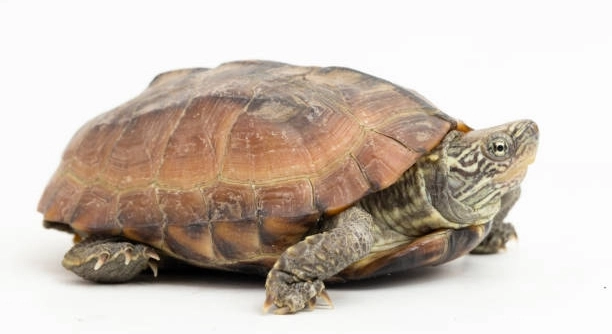
Musk turtles are fascinating creatures, known for their small size and unique characteristics. These turtles can be found in various parts of the world, each with its own distinct traits and behaviors.
There are seven common species of musk turtles, each exhibiting varying behaviors and characteristics. They are typically small, with strong, musky-smelling secretions used as a defense mechanism. These species are commonly found in North America, preferring freshwater habitats.
Each musk turtle has its own unique traits that can reveal interesting details about their habits and needs. Understanding these species can help you better care for or appreciate these small, aquatic reptiles.
The Common Musk Turtle (Sternotherus odoratus)
The Common Musk Turtle is one of the most well-known species. These turtles are small, typically growing to about 4 to 5 inches in length. They are often referred to as “stinkpots” because of the strong, musky odor they release when threatened. Common Musk Turtles are found throughout the eastern United States, favoring slow-moving rivers, ponds, and marshes. Their dark, often black or brown, shells help them blend into their surroundings. They also have a long, flat tail, which aids in swimming. These turtles are primarily aquatic, spending most of their time submerged. Though small, they are hardy and can live up to 50 years in captivity with proper care.
Common Musk Turtles prefer shallow waters, where they can easily find their food. They eat a variety of aquatic insects, worms, and small fish. This diet is important for their health, helping them grow and maintain their energy.
Proper tank setup is key for their long-term care. Having clean water and a varied diet will ensure that these turtles stay healthy and active.
Eastern Musk Turtle (Sternotherus carinatus)
The Eastern Musk Turtle is slightly larger than its cousin, reaching up to 5 inches in length. It is easily recognized by the prominent keel running down the center of its shell, which gives it a more rugged appearance. These turtles are often found in slow-moving streams and swamps across the southeastern United States.
Eastern Musk Turtles are primarily carnivorous, feeding on small invertebrates and occasionally small fish. They have a preference for aquatic environments rich in vegetation, which helps them find food and shelter. Unlike other turtles, they are more likely to climb or hide in submerged logs or rocks to rest.
These turtles are quite hardy, but they require specific care. In captivity, they thrive in tanks with deep water, as they spend most of their time swimming. They can also become quite active, so it’s important to provide plenty of space for them to explore. Regular cleaning of their habitat and a balanced diet will keep them healthy.
Striped Musk Turtle (Sternotherus minor)
The Striped Musk Turtle, also known as the Little Striped Turtle, is smaller, often measuring just 3 to 4 inches long. Its distinctive yellow or orange stripes running down the sides of its dark shell make it easy to identify. Found mainly in rivers and streams in the southeastern United States, it is often seen basking on logs or rocks.
Striped Musk Turtles are omnivorous, with a diet consisting of aquatic plants, insects, and occasional small fish. Their diet plays an important role in their overall health, helping them maintain energy and grow. These turtles are not as aggressive as other musk turtles but can still emit a strong odor when disturbed.
Caring for a Striped Musk Turtle in captivity requires proper water filtration, as these turtles prefer clean environments. Their small size makes them an excellent choice for smaller aquariums, but they still need room to swim and explore. Providing them with a variety of food, such as small insects and vegetables, will ensure they stay healthy.
Alabama Musk Turtle (Sternotherus alabamae)
The Alabama Musk Turtle is known for its relatively small size, growing up to around 5 inches in length. These turtles have a dark, almost black, shell with a slightly flattened shape. They are native to the rivers and streams of Alabama and surrounding regions.
Alabama Musk Turtles prefer slow-moving water, often hiding in aquatic vegetation or under rocks to avoid predators. They are carnivorous, feeding on a diet that includes aquatic insects, snails, and small crustaceans. This diet helps them stay healthy and provides the necessary nutrients for growth.
Ouachita Musk Turtle (Sternotherus ouachitae)
The Ouachita Musk Turtle is found mainly in the Ouachita River basin, located in parts of Arkansas and Oklahoma. This species is easily recognized by its small size and dark-colored shell, which sometimes appears to have a slightly rough texture. These turtles are often seen in shallow waters with a mix of sand and rocks.
In terms of care, the Ouachita Musk Turtle requires a well-maintained aquatic environment to thrive. They prefer habitats that offer plenty of hiding spots, such as submerged logs or rocks. Their diet consists mainly of small invertebrates, making them excellent at keeping their aquatic environment clean.
FAQ
What do Musk Turtles eat?
Musk Turtles are omnivores, which means they eat both plants and animals. Their diet includes aquatic insects, small fish, snails, and algae. Some species, like the Common Musk Turtle, will also consume small invertebrates like worms and crustaceans. They enjoy varied meals, which is important for their health. In captivity, feeding them a mix of live foods like worms and insects, along with some leafy greens, will provide the right nutrients.
How long do Musk Turtles live?
Musk Turtles can live for quite a long time. In captivity, many can live up to 30 to 50 years with proper care. This long lifespan means they need consistent attention, including proper tank maintenance, the right diet, and a clean environment. In the wild, their lifespan can vary depending on their surroundings and predators. It’s crucial to provide a safe, healthy environment to ensure they reach their full potential lifespan.
Do Musk Turtles need a basking area?
Yes, Musk Turtles need a basking area. While they are mostly aquatic, they still require time out of the water to regulate their body temperature. A basking area, such as a rock or platform, should be provided above the water level, ideally under a UVB light. This helps them metabolize calcium and maintain their shell health. Without a proper basking area, they could develop health problems like shell deformities or a weakened immune system.
Can Musk Turtles live with other turtles?
Musk Turtles are generally solitary creatures, but they can live with other turtles under the right conditions. If you choose to house them with other turtles, make sure they are similar in size and temperament. Avoid placing Musk Turtles with larger, more aggressive species that could bully or injure them. Each turtle needs its own space to retreat and avoid potential conflict. Keep an eye on their interactions, especially when introducing new turtles into a shared habitat.
What kind of tank setup do Musk Turtles need?
Musk Turtles need an aquarium that mimics their natural environment. A tank with at least 20 gallons of water per turtle is a good starting point. The water should be kept clean with a strong filtration system, as Musk Turtles tend to produce a lot of waste. The tank should also have areas for hiding, like rocks or logs. Since they enjoy swimming, make sure the tank is deep enough for them to fully submerge and explore. A UVB light is essential for basking.
Do Musk Turtles need a water heater?
Yes, Musk Turtles require a water heater to maintain a stable temperature. They thrive in water that ranges from 70°F to 80°F. Keeping the water too cold can slow their metabolism and lead to health issues. Make sure the heater is adjustable and can maintain a consistent temperature to ensure your turtle stays active and healthy.
Are Musk Turtles aggressive?
Musk Turtles are generally not aggressive. They can be shy and may try to avoid interaction, especially with other animals. However, they will release a musky odor as a defense mechanism when threatened. It’s important to respect their space and avoid handling them too much, as this can cause them stress. Some species may become more defensive if they feel cornered, but overall, they are peaceful creatures.
How do I know if my Musk Turtle is healthy?
A healthy Musk Turtle should be active, with clear eyes and a clean, hard shell. The shell should not show signs of soft spots, cracks, or discoloration. If your turtle is swimming actively, eating well, and basking regularly, these are all signs of good health. Be sure to watch for any changes in behavior, such as a loss of appetite or lethargy, as these could indicate an illness. Regularly check the quality of the water in their tank, as poor water quality can lead to health problems.
Can Musk Turtles be kept outside?
Musk Turtles can be kept outside in a secure outdoor pond, but there are several factors to consider. The pond should have clean, warm water and plenty of hiding spots. It should also be free from predators, such as birds or other animals, that may harm the turtle. In colder climates, Musk Turtles need to be brought inside during the winter months as they are not equipped to survive in freezing temperatures. Outdoor enclosures can be a great way for them to roam, but proper supervision and care are still needed.
What should I do if my Musk Turtle isn’t eating?
If your Musk Turtle isn’t eating, there could be several reasons for it. Common causes include water temperature being too cold, poor water quality, or stress from being handled too much. Ensure that the water temperature is within the recommended range and that the turtle has access to a proper basking spot. If the problem persists, check for any physical issues like mouth rot or parasites, and consult a vet specializing in reptiles. In some cases, offering a variety of food items can help stimulate their appetite.
Final Thoughts
Musk Turtles are fascinating creatures with unique traits and behaviors that make them enjoyable to observe and care for. With their small size, they can fit into a variety of living spaces, making them a good option for those who want to keep a turtle as a pet. They may not require as much space as larger turtle species, but they still need a well-maintained tank with clean water, proper filtration, and a good diet to thrive. Providing a suitable environment is key to ensuring that your Musk Turtle stays healthy and happy.
These turtles are generally low-maintenance once their habitat is properly set up, but they still require regular attention. Their diet should consist of a mix of aquatic plants, insects, and small fish, depending on the species. Ensuring that their water temperature and quality remain stable is another important aspect of keeping them healthy. A UVB light is necessary to help them absorb calcium and maintain strong shells. With the right care, Musk Turtles can live for decades, becoming long-term companions.
However, it’s important to remember that each species of Musk Turtle has its own specific needs. While some may be more active, others prefer to stay hidden. Understanding their individual requirements and observing their behavior will help you provide the best possible care. Musk Turtles can also make interesting pets because of their natural curiosity, but they do require patience and understanding. If you are ready to take on the responsibility, Musk Turtles can be a rewarding and unique addition to your home.

Hello,
If you enjoy the content that we create, please consider saying a "Thank You!" by leaving a tip.
Every little bit helps us continue crafting quality advice that supports the health, happiness, and well-being of pets around the world, for pets of all shapes, sizes, and species.
We really appreciate the kindness and support that you show us!