
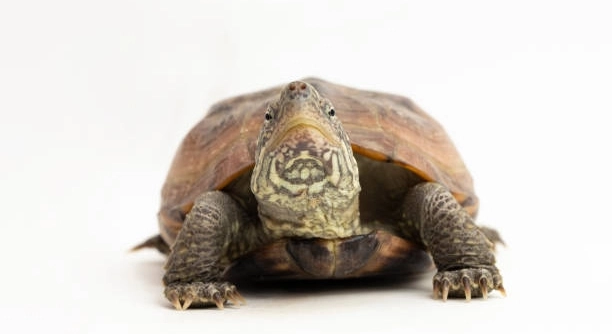
Many pet owners face challenges with their musk turtles’ appetite. If your turtle seems disinterested in food, it can be frustrating and concerning. There are simple ways to improve their eating habits and keep them healthy.
To improve a musk turtle’s appetite, offer a variety of food, ensure the water temperature is ideal, and minimize stress. Additionally, providing proper lighting, creating a comfortable habitat, and considering a vet visit may help stimulate their hunger.
These proven methods are effective and easy to incorporate. Maintaining the right environment can make a significant difference in your turtle’s eating habits.
Offer a Variety of Food
Musk turtles can become picky eaters, so offering a range of foods is essential. A varied diet ensures they receive all the nutrients they need to stay healthy. Offer both animal and plant-based foods like shrimp, snails, leafy greens, and aquatic plants. Some turtles may prefer live food, while others may eat frozen or freeze-dried options. Rotating foods regularly can prevent boredom and encourage better eating habits. Try to avoid processed foods high in artificial ingredients, as they can lead to poor health over time. Additionally, feed your turtle small portions to avoid overfeeding, which can lead to water contamination and digestive problems.
It is important to ensure that the foods you offer are safe for musk turtles. Avoid feeding them fruits like citrus or any toxic plants that could harm them. Consulting a guide on safe foods for turtles can help you make informed decisions.
By giving your turtle different options, you increase the chances of them eating more regularly and enjoying a balanced diet. Be patient, as it may take some time to find the best food combinations that appeal to your pet.
Maintain Ideal Water Temperature
Water temperature plays a key role in a turtle’s appetite. If the water is too cold, it can lower their metabolism, leading to decreased eating. Musk turtles need water between 72°F and 78°F (22°C – 25°C) for optimal digestion and appetite. Ensure your tank has a reliable heater to maintain the correct temperature.
The right water temperature also helps in maintaining overall health. When water is too cold, turtles may become sluggish and uninterested in food. On the other hand, water that’s too warm can also affect digestion, making it harder for the turtle to eat properly. Regularly check the water temperature with a thermometer to ensure it stays within the recommended range.
By managing the temperature correctly, you ensure your turtle is comfortable and able to digest food efficiently, helping to maintain a healthy appetite.
Minimize Stress
Turtles are sensitive to their environment, and stress can significantly affect their appetite. Noise, sudden movements, and the presence of other pets can cause anxiety. Keep the tank in a quiet, low-traffic area to prevent disturbances. Limit handling and avoid overcrowding in the tank.
Stress can also stem from improper tank conditions. Poor water quality, unsuitable lighting, or lack of hiding spots may make your turtle feel unsafe. Regularly clean the tank and ensure it’s equipped with hiding places to help your turtle feel secure.
If your turtle is stressed, it’s important to address the root cause to help them feel at ease. Even small changes in the environment can make a big difference in improving your turtle’s appetite and overall health.
Provide Proper Lighting
Musk turtles need both UVB and UVA lighting to regulate their metabolism and stimulate appetite. Without the right lighting, they may become lethargic and lose interest in food. Make sure to use a proper UVB bulb, positioned over the basking area.
UVB light helps turtles produce vitamin D3, which is essential for calcium absorption and healthy shell growth. Without it, they may develop metabolic bone disease and other health issues. Additionally, a 10 to 12-hour light cycle simulates day and night, encouraging a natural feeding schedule.
Without the proper lighting setup, your turtle may not thrive. Ensuring your turtle has access to the right UV light will encourage a better appetite and overall health.
Check for Illness or Injury
If your turtle refuses food, it could be due to illness or injury. Watch for signs such as swollen eyes, lethargy, or abnormal behavior. Any unusual symptoms should be addressed immediately by a veterinarian. Prompt medical attention can prevent further complications.
If the turtle seems fine but still refuses food, make sure there is no injury to their mouth, shell, or limbs. Sometimes small injuries can go unnoticed and cause discomfort while eating. Always examine your turtle carefully for hidden wounds that may affect their appetite.
A vet can help identify any hidden issues and provide the right treatment, ensuring your turtle’s well-being and restoring their appetite.
Ensure a Comfortable Habitat
A well-maintained habitat is key to your turtle’s overall health. Ensure the water level is appropriate, the filter is clean, and the basking area is easy for your turtle to access. Comfort can encourage better eating habits.
Turtles are naturally territorial and need space to roam. A cramped tank can lead to stress and a lack of interest in food. Give your turtle ample space to swim and bask. Make sure the water is clear and free of debris to promote a healthy environment.
FAQ
How often should I feed my musk turtle?
Musk turtles should be fed about three to four times a week. Younger turtles may require more frequent meals, while adults typically eat less. It’s essential to monitor their food intake and adjust accordingly based on their activity level and growth. Overfeeding can lead to water contamination, so stick to small portions. Ensure the food is properly balanced and suitable for their dietary needs.
What can I feed my musk turtle to improve its appetite?
To improve your turtle’s appetite, offer a variety of foods. Include a mix of animal-based foods like shrimp, snails, and fish, along with plant-based options like leafy greens and aquatic plants. It’s also a good idea to offer occasional live food, which may stimulate their natural hunting instincts. Rotate the foods regularly to prevent boredom and ensure they receive the nutrients they need. Always avoid feeding them processed foods that contain additives.
Can my musk turtle eat fruits?
Fruits can be offered occasionally, but they should not make up a large portion of their diet. Musk turtles can enjoy fruits such as strawberries, bananas, and melons, but these should be given in moderation due to their high sugar content. Avoid citrus fruits like oranges and lemons, as they can upset your turtle’s stomach. Overfeeding fruits can also lead to an imbalance in their diet, so always ensure it’s a small part of a diverse meal plan.
What should I do if my musk turtle refuses to eat?
If your musk turtle refuses to eat, check the water temperature first. Cold water can lower their metabolism and decrease appetite. Ensure the tank environment is comfortable and free from stressors, like excessive noise or overcrowding. If your turtle is still not eating after addressing environmental factors, consider a visit to the vet to rule out any health issues, such as infections or injuries. Some turtles may also go off food during the breeding season or due to natural slowdowns in the colder months.
Is it normal for a musk turtle to eat less in winter?
Yes, it’s normal for musk turtles to eat less in the winter. They are ectothermic, meaning their body temperature and metabolism slow down in colder weather. During this period, they may become less active and require less food. However, ensure that the water temperature remains within the recommended range of 72°F to 78°F (22°C – 25°C), as colder water can lead to other health issues. If the turtle doesn’t eat for an extended period, consult a vet to ensure there are no underlying health problems.
Can stress affect my turtle’s appetite?
Yes, stress can significantly impact your turtle’s appetite. Musk turtles are sensitive to their environment, and factors like noise, unfamiliar handling, and the presence of other pets can cause them anxiety. To reduce stress, place the tank in a quiet area and avoid excessive handling. Ensure that the tank is clean, with the right water temperature and hiding spots for your turtle to feel safe and secure. Stress can also result from overcrowding in the tank, so make sure your turtle has ample space to roam.
What are signs of a sick musk turtle?
Signs of illness in musk turtles include lack of appetite, lethargy, swollen or cloudy eyes, shell abnormalities, abnormal swimming behavior, and wheezing. If you notice any of these symptoms, it’s crucial to take your turtle to a vet as soon as possible. Health issues like respiratory infections or shell rot can significantly affect their overall health and appetite. Catching illness early will increase the chances of a full recovery and prevent long-term damage.
Can I feed my musk turtle dried food?
Yes, you can feed your musk turtle dried food, but it should not be the main part of their diet. Dried foods such as pellets or freeze-dried shrimp can be convenient, but they lack some of the nutrients found in fresh food. It’s best to offer dried food in moderation, alongside fresh options like live or frozen shrimp, leafy greens, and aquatic plants. Make sure the dried food you offer is high-quality and designed for turtles to ensure it meets their dietary needs.
How can I make my turtle’s habitat more comfortable?
To create a more comfortable habitat for your musk turtle, ensure they have a clean tank with proper filtration. The water temperature should be maintained between 72°F and 78°F, and a basking area should be provided with a UVB light to simulate daylight. Adding hiding spots, such as rocks or plants, will help your turtle feel secure and reduce stress. Regularly clean the tank to prevent bacterial growth and replace any worn-out decorations. A comfortable and secure environment promotes healthy eating habits and overall well-being.
Why is my musk turtle swimming in circles?
If your musk turtle is swimming in circles, it could be a sign of stress, an infection, or other health problems. Stress can be caused by factors like improper water temperature, lack of hiding spaces, or noisy environments. It’s important to ensure that your turtle’s tank is set up properly and free from disturbances. If the behavior continues or is accompanied by other symptoms like a lack of appetite or lethargy, it’s recommended to consult a vet for further evaluation.
How can I encourage my turtle to eat live food?
To encourage your turtle to eat live food, try introducing it slowly and in small quantities. Some turtles are naturally more inclined to hunt and eat live food, while others may be hesitant. You can try moving the live food in front of your turtle to simulate hunting behavior. If your turtle is still not interested, try a different type of live food to see what catches their attention. Over time, most turtles will become more enthusiastic about live food once they recognize it as a food source.
Final Thoughts
Improving a musk turtle’s appetite involves creating the right environment, offering a balanced diet, and addressing any health concerns. It’s important to ensure that your turtle has a comfortable and stress-free habitat, as environmental factors play a significant role in their eating habits. Regular tank maintenance, including clean water and proper temperature, will help promote a healthy appetite. The right balance of fresh foods, including both animal-based and plant-based options, is also crucial for maintaining their overall well-being. Variety in their diet can help keep them interested in eating and prevent food boredom.
If your turtle refuses food, it’s essential to observe other signs of health issues. Lack of appetite can sometimes indicate underlying problems, such as infections or injuries. In such cases, visiting a vet is the best course of action to ensure the problem is diagnosed and treated early. Understanding the natural behavior of musk turtles, including their tendency to eat less during colder months or breeding periods, will help you adjust your care routine. A slower metabolism in winter can result in less frequent eating, so be sure to monitor your turtle’s condition carefully during this time.
By keeping an eye on your turtle’s behavior and environment, you can support their health and help them maintain a healthy appetite. Proper nutrition, a well-maintained habitat, and regular vet visits are all key components in ensuring your turtle remains happy and well-fed. Each turtle is unique, so finding the right combination of care methods for your specific pet is important. With patience and consistency, your musk turtle’s appetite can be improved, leading to a healthier and more active life.

Hello,
If you enjoy the content that we create, please consider saying a "Thank You!" by leaving a tip.
Every little bit helps us continue crafting quality advice that supports the health, happiness, and well-being of pets around the world, for pets of all shapes, sizes, and species.
We really appreciate the kindness and support that you show us!