
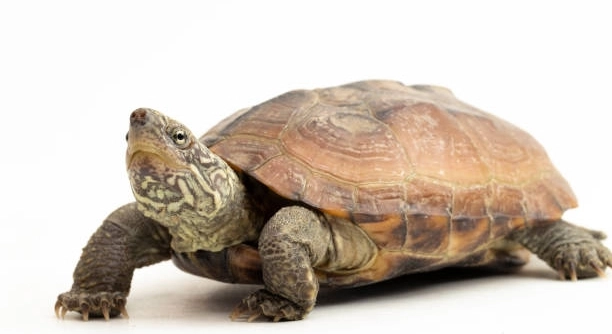
Handling aggressive musk turtles requires careful attention to their behavior and safety. With the right approach, you can manage these reptiles effectively and reduce the risks of handling them. This guide outlines essential steps to ensure their well-being.
To safely handle an aggressive musk turtle, it is crucial to approach them calmly and avoid sudden movements. Always use gloves for protection and make sure the turtle has a secure, stable surface to rest on during handling.
Properly managing an aggressive musk turtle involves understanding their behavior and maintaining a safe environment for both the turtle and yourself.
Preparing the Right Environment
When handling aggressive musk turtles, it’s important to create a safe and calm environment. Place the turtle in a secure area where it won’t feel threatened. A flat, non-slippery surface is best to keep the turtle stable. Ensure the space is quiet and free from distractions, as loud noises can increase stress. Preparing a proper space will allow you to handle the turtle safely and reduce its aggression.
The environment should mimic natural surroundings to make the turtle feel more at ease. A controlled space with low lighting helps reduce stress, making the turtle less likely to become defensive. Avoid overcrowding the area with unnecessary objects.
Using a shallow container or small tank to place the turtle while handling can also keep it safe. It gives the turtle some room to move, but prevents it from becoming agitated by feeling trapped. Always observe its movements carefully to understand its level of comfort.
Handling the Turtle Properly
When you handle a musk turtle, be gentle but firm. Start by wearing thick gloves to protect your hands from bites. Approach slowly, avoiding sudden movements that might startle the turtle. The less direct contact you have at first, the more comfortable the turtle will feel.
It’s also important to hold the turtle in a way that makes it feel supported. Avoid holding it by its shell in a way that may cause strain. Hold the sides of the shell gently with your hands, making sure to keep the turtle’s body stable. This will help prevent any further stress.
For handling longer periods, use both hands to support the turtle’s body and ensure it feels safe. Be mindful not to squeeze too tightly, as this can harm the turtle. Regular handling with care helps build trust and reduces aggression over time.
Recognizing Signs of Aggression
Musk turtles display several signs of aggression, such as hissing, bared teeth, and rapid movements. Understanding these behaviors helps in determining when to give them space. It’s vital to watch closely and respond appropriately.
Aggressive musk turtles may also try to strike with their claws or snap at your hands. If you notice these behaviors, it’s best to back off slowly and give the turtle time to calm down. Avoid any sudden actions that could escalate its frustration. By remaining calm, you can avoid triggering further aggression. Understanding the signs early will prevent uncomfortable or dangerous situations.
When handling these turtles, patience is key. If you’ve noticed the turtle is becoming aggressive, wait for it to calm down before attempting to handle it again. Avoid forcing the turtle into an interaction, as this could increase stress and worsen its behavior.
Correctly Using Protective Gear
Wearing the right protective gear is essential when handling aggressive musk turtles. Thick gloves, such as leather or rubber, offer protection from bites and scratches. Never use bare hands to interact with a turtle that’s showing signs of aggression.
Protection isn’t limited to gloves. Consider using long sleeves and thick clothing to shield yourself from potential scratches or bites. This ensures you maintain a safe distance from the turtle’s claws, which can be sharp. Always prioritize your safety when handling these reptiles.
Protective gear also helps minimize stress on the turtle. By keeping a physical barrier between you and the turtle, you can handle it with more confidence, allowing you to be less reactive. When you feel safe, the turtle may sense less threat and calm down more easily.
Keeping Calm During Handling
It’s crucial to remain calm when handling an aggressive musk turtle. If you’re anxious or tense, the turtle can sense it and may react more aggressively. A relaxed demeanor helps keep the situation under control.
Take slow, deliberate actions when moving the turtle. Sudden gestures can alarm it, making it feel threatened. Deep breathing can help manage your emotions and prevent any nervous movements. The calmer you are, the easier it will be for the turtle to settle down.
A calm atmosphere also means fewer chances of startling the turtle, reducing its defensiveness. Maintain steady and confident movements to keep the turtle at ease.
Using a Proper Holding Technique
One of the best ways to safely handle an aggressive musk turtle is by holding it properly. Support both sides of the turtle’s shell with your hands, ensuring it doesn’t feel like it’s falling or unsupported. This makes it feel secure.
Make sure you don’t grip too tightly. A firm, but gentle hold reduces the chance of hurting the turtle or causing stress. Always avoid grabbing the turtle by its limbs or head, as this can cause pain and provoke further aggression. Hold the turtle in a stable and balanced way, giving it room to feel comfortable.
When moving the turtle, try to maintain a horizontal position. This posture helps minimize stress by allowing the turtle to feel more grounded and less at risk of falling.
Avoiding Overhandling
Overhandling can increase aggression in musk turtles. Allow them time to relax and adjust between interactions. Handling them too often or for too long can make them feel stressed, which could lead to more defensive behavior.
Limit your interactions to short periods, especially when the turtle is showing aggression. This gives it the chance to cool off and decreases the likelihood of negative behavior. Overhandling can make the turtle view you as a constant threat, which worsens its aggression. The more you respect its space, the more manageable it will be in the long term.
FAQ
What should I do if the musk turtle tries to bite me?
If a musk turtle tries to bite, remain calm and avoid pulling your hand away suddenly, as this can lead to more aggression. Gently move your hand away without jerking, and give the turtle space. Once it calms down, you can try again with a slower, more controlled approach. Always wear protective gloves to prevent injury.
How can I tell if my musk turtle is stressed?
A stressed musk turtle may exhibit behaviors like rapid movement, hissing, or attempting to escape. It might also retreat into its shell more often or become less active than usual. If you notice these signs, it’s essential to give the turtle time to rest and recover in a quiet environment. Reducing external stressors such as noise or overcrowding can also help calm it.
Can I handle my musk turtle every day?
While it may be tempting to handle your turtle daily, frequent handling can cause stress and exacerbate aggression, especially in more sensitive turtles. It’s best to limit interactions to a few times a week, ensuring each handling session is brief and calming. Always observe the turtle’s behavior to determine when it’s comfortable enough for interaction.
What are the best ways to calm down an aggressive musk turtle?
To calm an aggressive musk turtle, the most effective method is to create a stress-free environment. Lower the lighting, reduce noise, and allow the turtle to rest in a secure, quiet space. Avoid approaching too quickly or making sudden movements. Let the turtle take the lead and only attempt handling when it shows signs of calming down.
Is it safe to keep multiple musk turtles together?
Keeping multiple musk turtles together can be risky, especially if they are not accustomed to sharing space. Aggression can arise when turtles compete for food or territory. If you decide to house multiple turtles, ensure the enclosure is large enough to provide adequate space for each turtle to retreat when needed. Monitor their behavior closely to prevent fights and stress.
How do I know when my musk turtle is ready to be handled again?
After an aggressive episode, wait until the turtle shows signs of relaxation, such as resting quietly or slowly moving around its enclosure. Avoid handling the turtle immediately after an aggressive display, as this can further stress it. It’s important to be patient and wait for the turtle to settle before attempting to handle it again.
Why is my musk turtle hissing at me?
Hissing is a common sign of distress or aggression in musk turtles. It’s their way of warning you to stay away. A turtle will hiss when it feels threatened or uncomfortable. If your turtle is hissing, give it space and avoid handling it until it calms down. Hissing is typically followed by other signs of aggression, such as snapping or defensive postures.
Can musk turtles be trained not to be aggressive?
While you can’t fully train a musk turtle to be non-aggressive, consistent, gentle handling can help reduce stress over time. Gradually introducing the turtle to more positive experiences with human interaction may help it become more comfortable, but some turtles may naturally remain more defensive. Each turtle is different, and patience is key to building trust.
How can I prevent my musk turtle from becoming aggressive in the first place?
To prevent aggression, ensure your musk turtle’s environment is comfortable and secure. Provide ample hiding spaces and avoid overhandling. Keep the tank clean and maintain proper lighting and temperature to prevent stress. Regular feeding schedules also help establish routine, which can contribute to a more relaxed and predictable temperament.
What should I do if my musk turtle refuses to eat?
If your musk turtle refuses to eat, check the water temperature and habitat conditions first. Improper temperature or water quality can lead to a lack of appetite. Also, ensure you’re offering a variety of food options, as turtles can become picky. If the problem persists, consider consulting a veterinarian to rule out any underlying health issues.
Final Thoughts
Handling aggressive musk turtles requires patience, careful observation, and respect for their space. Recognizing the early signs of aggression, such as hissing or snapping, is crucial in preventing further escalation. It’s important to remember that these turtles are acting out of instinct and not out of malice. They are simply trying to protect themselves, so understanding their behavior is the first step in managing interactions.
Using proper techniques, like wearing protective gear and holding the turtle in a secure yet gentle manner, reduces the risk of injury for both you and the turtle. It’s also essential to avoid overhandling, as this can lead to stress and increase the likelihood of aggression. Giving your turtle time to relax and allowing it to dictate when it’s ready for interaction helps build trust over time. The more you respect its boundaries, the more likely the turtle will settle down.
Lastly, it’s important to be patient with your musk turtle. Aggression won’t disappear overnight, but with consistent, calm handling, you can gradually reduce the stress that triggers aggressive behavior. Every turtle is unique, so what works for one may not work for another. However, by following these basic guidelines, you’ll be better equipped to handle and care for your musk turtle safely and compassionately.

Hello,
If you enjoy the content that we create, please consider saying a "Thank You!" by leaving a tip.
Every little bit helps us continue crafting quality advice that supports the health, happiness, and well-being of pets around the world, for pets of all shapes, sizes, and species.
We really appreciate the kindness and support that you show us!