
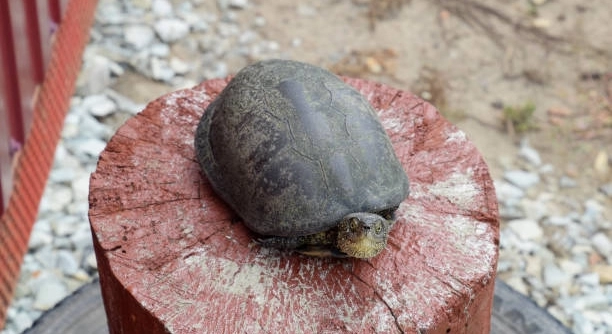
Musk turtles are fascinating creatures, often admired for their slow and steady movements. However, not all vegetables are suitable for their diet. Understanding which vegetables to avoid is essential for their health and well-being.
Certain vegetables can be harmful to musk turtles due to their high levels of oxalates, phosphorus, or other compounds. These can cause digestive problems, kidney issues, and other health complications. It is crucial to be selective when offering vegetables to your pet.
By learning which vegetables to avoid, you ensure that your musk turtle thrives and stays healthy. Keep reading to discover more about the best food choices for your pet.
Spinach: A Vegetable to Avoid
Spinach may seem like a healthy option, but it is not the best choice for musk turtles. This vegetable contains high levels of oxalates, which can bind with calcium and form crystals. Over time, this can lead to kidney problems and bone weakness in turtles. It’s important to provide them with safer vegetables to ensure their long-term health. Instead, choose leafy greens like collard or dandelion greens, which offer more nutritional benefits without the harmful effects of oxalates. Regularly feeding spinach can result in health complications that are easily preventable with the right choices.
Spinach also contains high levels of phosphorus, which can disrupt calcium absorption and lead to health problems in musk turtles. This imbalance can cause bone deformities and other complications that affect their mobility.
To prevent these issues, offer a balanced variety of greens that are low in oxalates and phosphorus. Avoid spinach altogether to ensure your turtle’s health remains optimal and well-maintained.
Lettuce: Not the Best Option
Lettuce is often seen as a safe option for turtles, but it has very little nutritional value. While it isn’t harmful in small amounts, it lacks the essential vitamins and minerals that musk turtles need. Feeding them too much lettuce can result in malnutrition. Instead, opt for more nutrient-dense greens like kale or mustard greens, which provide the necessary vitamins for their health.
Lettuce is mostly water and fiber, which doesn’t benefit musk turtles as much as other leafy vegetables. Offering too much lettuce can lead to digestive problems and an unbalanced diet. It’s best to use lettuce sparingly in their meals, and always pair it with other more nutritious options.
If you find that your turtle seems less active or has a poor appetite, reconsider how much lettuce is in their diet. By swapping lettuce for more beneficial greens, you can ensure they get the nutrients needed to maintain their energy and overall well-being. Make informed choices when selecting their vegetables to avoid long-term health issues.
Tomato: A Risky Choice
Tomatoes contain high levels of acidity and can upset your turtle’s stomach. While not outright poisonous, they can cause discomfort if eaten in excess. The acidity can lead to digestive issues such as diarrhea or upset stomach. These effects are more noticeable in turtles with sensitive digestive systems.
Tomatoes are also rich in water, which may not always be ideal for musk turtles. Too much moisture can cause an imbalance in their digestion and hydration levels. For healthier alternatives, consider offering fruits or vegetables that are less acidic and easier on your turtle’s digestive system.
When offering tomatoes, always remove the seeds and feed in moderation. However, it’s best to avoid them altogether in favor of vegetables with fewer risks and more nutritional benefits. A well-balanced diet helps ensure your musk turtle thrives.
Onion: Harmful for Musk Turtles
Onions should never be fed to musk turtles. They contain compounds that can cause toxicity in many reptiles, including turtles. Even small amounts can lead to serious health issues such as digestive problems, lethargy, and even organ damage. Avoid onions completely to ensure your turtle’s safety.
If your turtle accidentally consumes onion, monitor them closely for any signs of discomfort, such as excessive lethargy, difficulty breathing, or changes in behavior. Immediate veterinary attention may be needed to address potential poisoning. Stick to safer vegetables that provide more nutrition without the risk of harm.
Cabbage: A Double-Edged Sword
Cabbage can be a tricky vegetable for musk turtles. While not harmful in small amounts, it can cause bloating and gas when fed in excess. The high fiber content is difficult for some turtles to digest, leading to discomfort. Feeding too much cabbage regularly may lead to digestion issues.
Although cabbage can be part of their diet occasionally, it’s better to focus on more easily digestible options. You can include cabbage as a treat, but it shouldn’t be a staple in their meals. A balanced variety of vegetables will help support healthy digestion in your turtle.
Potato: Not a Safe Option
Potatoes, especially raw ones, should never be fed to musk turtles. They contain solanine, a toxic substance that can cause severe illness. Raw potatoes can cause digestive problems, weakness, and even death if consumed in large amounts. Stick to safer vegetables to avoid these risks.
FAQ
Can musk turtles eat carrots?
Yes, musk turtles can eat carrots in moderation. Carrots are a good source of vitamin A and fiber, which are beneficial for your turtle. However, they should not be a primary food source. Too many carrots can lead to an imbalance in their diet. Carrots can be offered as a treat, but they should be paired with other vegetables for a more balanced meal.
Is it safe to feed musk turtles fruit?
Yes, musk turtles can eat some fruits, but they should be given sparingly. Fruits are high in sugar and can cause digestive upset if fed in excess. Suitable fruits include berries, apples (without seeds), and melon. Always remove any seeds from fruits before offering them to your turtle. A small amount of fruit once or twice a week is enough for a healthy diet.
Can musk turtles eat bell peppers?
Bell peppers are a safe and healthy choice for musk turtles. They are high in vitamins A and C, which can help boost your turtle’s immune system and overall health. You can feed bell peppers to your turtle both raw and in small pieces. Avoid feeding large amounts to prevent any digestive issues.
Are leafy greens good for musk turtles?
Leafy greens, such as collard greens, dandelion greens, and mustard greens, are excellent for musk turtles. These vegetables provide essential nutrients, including calcium and fiber, which are important for their growth and bone health. Always wash greens thoroughly before feeding and ensure they are fresh to avoid any pesticides.
Can musk turtles eat broccoli?
Broccoli is safe for musk turtles to eat in small amounts. It provides vitamin C and fiber, which can be beneficial. However, it can cause gas and bloating if fed too often. It’s best to offer broccoli occasionally as part of a varied diet, alongside other vegetables that are easier to digest.
Should I feed my musk turtle meat?
Musk turtles are omnivores, meaning they eat both plant and animal matter. They can eat small amounts of meat, such as earthworms, insects, or fish. However, animal protein should not make up the bulk of their diet. Focus on offering more plant-based foods, with meat provided as an occasional supplement.
Is it okay to feed my turtle store-bought pellets?
Store-bought pellets can be a convenient option for feeding your musk turtle, but they should not be the primary food. Pellets are often processed and may not offer the full range of nutrients your turtle needs. They can be used occasionally, but always supplement them with fresh vegetables, greens, and occasional protein sources.
Can musk turtles eat garlic?
Garlic should be avoided in your musk turtle’s diet. While garlic has health benefits for humans, it contains compounds that can be harmful to reptiles. Garlic can cause digestive issues, lethargy, and even toxicity in larger amounts. Always steer clear of feeding garlic to ensure your turtle stays healthy.
What are the best foods for musk turtles?
The best foods for musk turtles include leafy greens, dandelion greens, collard greens, and mustard greens. These vegetables provide essential nutrients without the risks associated with other foods. You can also offer fruits in moderation, such as berries and melon, and occasional protein like worms, fish, or insects. Variety is key to maintaining a balanced diet.
How often should I feed my musk turtle?
Musk turtles should be fed every day or every other day, depending on their age and size. Young turtles need to eat more frequently than adults. As they grow, you can reduce the frequency of feedings. It’s important to offer a variety of foods to ensure they receive all the nutrients they need.
Can I feed my turtle lettuce regularly?
Lettuce should not be a regular part of your musk turtle’s diet. While it is safe in small amounts, lettuce has little nutritional value and can cause digestive problems if fed too often. Use lettuce sparingly and always pair it with more nutrient-dense vegetables to create a balanced meal for your turtle.
Are there any vegetables that musk turtles cannot eat?
Yes, there are several vegetables that musk turtles should avoid, including onions, spinach, and potatoes. These vegetables can cause digestive issues, toxicity, or other health problems. Always do your research before feeding new vegetables and avoid any known harmful ones. Stick to safe options like dandelion greens, collard greens, and bell peppers for the best results.
What should I do if my musk turtle refuses to eat?
If your musk turtle refuses to eat, check the water quality and make sure it is at the right temperature. Stress, improper water conditions, or changes in their environment can cause a loss of appetite. Offering a variety of fresh foods and avoiding overfeeding can also help. If the refusal persists, consult a veterinarian for advice.
Final Thoughts
Feeding musk turtles the right vegetables and food is essential for their health. While they are omnivores, their diet should be carefully balanced to avoid problems. Vegetables like dandelion greens, collard greens, and bell peppers provide essential nutrients without causing harm. By understanding which foods are safe and which ones should be avoided, you can ensure your turtle thrives. Remember that not all vegetables are equal, and some, like onions and garlic, can be harmful.
Additionally, it’s important to maintain variety in their diet. Over-relying on one food type, whether it’s vegetables, fruits, or protein, can lead to nutritional imbalances. A varied diet will support their overall health and ensure they get all the vitamins and minerals they need. Mixing up their meals with fresh vegetables, occasional fruits, and proper protein sources will keep them healthy and active. Offering a wide selection of food also helps prevent your turtle from getting bored with their meals.
Overall, taking the time to learn what’s safe for your musk turtle and offering a variety of foods will make a big difference in their quality of life. While it might seem like a lot of work, feeding your turtle properly will pay off in the long run. Your turtle’s health, happiness, and longevity are closely linked to the care you provide, including what you feed them. By following these guidelines and staying informed, you can ensure your musk turtle lives a healthy, balanced life.

Hello,
If you enjoy the content that we create, please consider saying a "Thank You!" by leaving a tip.
Every little bit helps us continue crafting quality advice that supports the health, happiness, and well-being of pets around the world, for pets of all shapes, sizes, and species.
We really appreciate the kindness and support that you show us!