
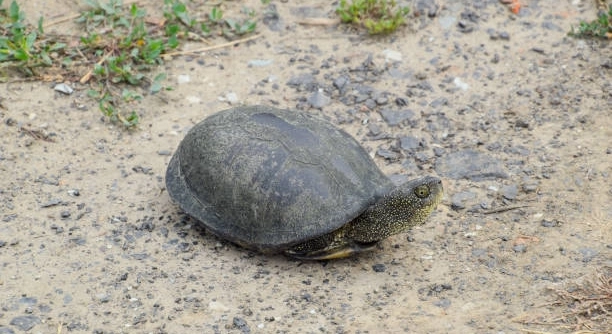
Many turtle owners are familiar with the importance of basking for their musk turtles. However, when a turtle refuses to bask, it can cause concern. This issue might stem from several factors that need addressing.
The primary reasons your musk turtle might not be basking include improper temperature, stress, or inadequate basking spots. Ensuring the basking area is well-lit, at the correct temperature, and free from disturbances is crucial to encourage your turtle to bask regularly.
By addressing these issues, your turtle’s health and well-being will improve, and it will enjoy its basking time again.
Temperature Issues
One of the most common reasons your musk turtle might avoid basking is due to incorrect temperature levels. The basking spot needs to be warm enough for the turtle to enjoy and absorb UVB light. The basking surface should be around 85-95°F (29-35°C), while the water temperature should be kept between 75-80°F (24-27°C). If these temperatures are off, your turtle may not feel comfortable enough to bask. In fact, they could feel stressed or even sick, which makes basking less appealing. Turtles are naturally drawn to the warmth for digestion and overall health, so maintaining the proper temperature is essential.
Even slight changes in temperature can lead to problems. Ensure your basking light is powerful enough to create a warm area and check the temperature regularly. Using a thermometer to monitor both air and water temperature will help you avoid imbalances.
To fix this, invest in quality basking lamps and heaters that can maintain a stable temperature. A reliable thermostat can help you regulate the temperature effectively, ensuring the turtle’s comfort and encouraging basking habits.
Stress Factors
Stress can also keep your musk turtle from basking. Stress triggers can come from a variety of sources such as loud noises, overhandling, or a tank that’s too small. When a turtle feels stressed, its instinct is to hide or stay away from areas where it would normally bask.
One of the biggest stressors for musk turtles is overcrowding. If there are too many turtles in the tank, or if the space is too cramped, they may not feel safe enough to bask. The tank’s environment must offer hiding spots and a place for the turtle to retreat to when it feels overwhelmed. Turtles that feel insecure will avoid basking altogether.
Creating a peaceful and spacious environment can reduce stress. Consider adding plants, rocks, or driftwood to provide hiding areas. Allow your turtle the freedom to move about and find comfort. Reducing the stressors in their environment will encourage regular basking and overall better health.
Inadequate Basking Spot
A proper basking area is crucial for your musk turtle to feel comfortable. Without the right spot, your turtle will avoid basking altogether. Ensure the basking surface is large enough for your turtle to stretch out and relax. It should also be dry and stable, offering easy access from the water.
You may need to adjust the layout of your tank to provide better access to the basking spot. It should be elevated so your turtle can easily climb onto it without struggling. Adding ramps or platforms that are positioned correctly will also help.
If your basking area is small or difficult to access, your turtle will likely avoid it. Reassess the setup and create a space that suits your turtle’s needs, making sure it’s both easy to reach and comfortable to stay in.
Poor Lighting
Proper lighting is essential for your musk turtle’s health and behavior. A combination of UVB lighting and heat lamps provides the warmth and light necessary for basking. Without it, your turtle may not get the benefits it needs, leading to an aversion to basking.
Check your lighting setup regularly to ensure it’s providing both warmth and UVB rays. UVB light is vital for vitamin D3 production, which helps the turtle metabolize calcium. Without this, your turtle can develop serious health problems.
Replace your bulbs as needed, as UVB rays degrade over time even if the light is still functioning. Make sure your turtle has access to both light and warmth during the day. Proper lighting encourages healthy basking habits and helps your turtle thrive.
Tank Size
A cramped tank can discourage your musk turtle from basking. It may feel overcrowded or unsafe, leading it to avoid basking altogether. Ensure your turtle has plenty of space to swim, climb, and explore.
Turtles need room to move freely, and if the tank is too small, they may not feel comfortable basking. A larger tank provides more opportunities for your turtle to find its ideal basking spot. For adult musk turtles, a tank size of at least 40 gallons is recommended.
A spacious environment promotes better behavior, health, and basking habits. Make sure your tank is large enough to accommodate your turtle’s needs.
Unstable Water Conditions
Unstable water quality can deter your musk turtle from basking. High levels of ammonia, nitrites, or low pH can stress your turtle, making it less likely to bask. Regular water changes and proper filtration help maintain a healthy environment.
Turtles are sensitive to poor water conditions, and a dirty tank can cause significant stress. This might affect their appetite, energy levels, and desire to bask. Keeping the water clean is essential for your turtle’s well-being and encourages it to bask.
Make sure your filtration system is powerful enough to handle the tank’s size, and monitor water conditions frequently.
Illness
Sick turtles often avoid basking as they may feel weak or uncomfortable. If your musk turtle is not basking and displays other signs of illness, it could be an indication that it needs medical attention. Keep an eye on its behavior.
Signs such as lethargy, loss of appetite, or unusual swimming patterns can signal a health issue. Infections, parasites, or vitamin deficiencies may make basking difficult. It’s important to consult a veterinarian if these symptoms persist.
A turtle in poor health will not bask effectively. Proper care and prompt treatment are vital to restoring your turtle’s natural basking behavior.
FAQ
Why is my musk turtle not basking?
There could be several reasons your musk turtle is avoiding basking. It could be due to incorrect tank temperature, stress, or inadequate basking spots. Poor lighting or water conditions may also play a role. Addressing these issues will likely help encourage your turtle to bask again.
How do I make my basking area more appealing?
Ensure the basking spot is large enough for your turtle to comfortably stretch out. The surface should be dry, stable, and easy to access from the water. Adding a ramp or creating a natural incline can help. Make sure the basking area is under a heat source or UVB light.
Can water temperature affect basking?
Yes, water temperature plays a critical role in encouraging basking behavior. Musk turtles prefer water temperatures between 75-80°F (24-27°C). If the water is too cold, your turtle may avoid basking and instead spend more time in the water, seeking comfort in cooler conditions.
How long should the basking light stay on?
The basking light should be on for about 10-12 hours a day, mimicking natural daylight. A timer can help maintain a consistent light schedule. This ensures your turtle receives adequate warmth and UVB exposure for healthy basking habits. Avoid leaving the light on for too long to prevent overheating.
How can I reduce stress in my musk turtle?
Stress can be caused by various factors such as overcrowding, loud noises, or improper tank conditions. Make sure your turtle has enough space, and keep the environment peaceful. Adding hiding spots like plants or rocks will help your turtle feel secure, reducing stress and encouraging basking.
What is the right UVB light for my musk turtle?
A UVB light with a 5.0 to 10.0 UVB output is suitable for musk turtles. Ensure the light is placed at the correct distance from the basking area, as too much or too little UVB light can affect your turtle’s health. Replace the bulbs every 6-12 months for effective UVB exposure.
What should the basking spot temperature be?
The basking spot should be around 85-95°F (29-35°C). This temperature range mimics the natural warmth that turtles seek for digestion and overall health. A thermometer can help you maintain this temperature. Ensure that your heat source is positioned correctly to provide a consistent warm spot.
Can poor water quality affect basking behavior?
Yes, poor water quality can discourage basking. High levels of ammonia, nitrites, or improper pH can stress your turtle, making it avoid basking. Regular water changes, a strong filtration system, and testing water parameters will ensure a healthy environment that encourages basking behavior.
How often should I clean my turtle’s tank?
You should clean your turtle’s tank regularly, ideally once a week, depending on the size of the tank and the number of turtles. Clean the filter, remove waste, and change about 25-50% of the water. Keeping the tank clean will maintain water quality and reduce stress, which promotes basking.
What signs indicate my turtle might be sick?
Signs that your turtle is sick include lethargy, loss of appetite, unusual swimming patterns, or a lack of interest in basking. If you notice these signs, it’s important to seek veterinary care promptly. Illness can prevent your turtle from basking and require medical attention to get it back to full health.
Why is my turtle staying underwater all the time?
If your turtle is constantly staying underwater, it may indicate that the basking spot is too uncomfortable or that there is an issue with water temperature or quality. Stress or illness could also be factors. Check the water conditions and ensure the basking area is accessible and at the right temperature.
Can I use a heat lamp and a UVB bulb together?
Yes, it’s best to use both a heat lamp and a UVB bulb to provide the proper lighting and warmth for your musk turtle. The heat lamp should be positioned above the basking area to create the right temperature, while the UVB bulb ensures your turtle gets the necessary UV light for calcium absorption.
How can I make sure my turtle is getting enough calcium?
To ensure your turtle gets enough calcium, provide a calcium supplement in its diet. You can also offer cuttlebone or calcium-rich foods like dark leafy greens. UVB light is also essential for calcium metabolism, so make sure your turtle has adequate exposure to UVB light.
What do I do if my turtle refuses to bask even after adjustments?
If your turtle continues to avoid basking after making the necessary adjustments, it might be due to illness or an underlying stress factor. Make sure you’ve thoroughly checked the environment and consulted with a veterinarian if necessary. Sometimes, it can take time for the turtle to adjust.
Do musk turtles need UVB light all year round?
Yes, UVB light should be provided year-round for your musk turtle. UVB helps your turtle produce vitamin D3, which is essential for calcium absorption. Without adequate UVB light, your turtle could suffer from metabolic bone disease and other health issues.
Final Thoughts
Understanding why your musk turtle isn’t basking can help you make the necessary changes to its environment and routine. Basking is an essential behavior for your turtle’s health and well-being. If your turtle is not basking, it could be due to a variety of factors, such as improper water temperature, stress, or inadequate lighting. Identifying and addressing these issues will ensure that your turtle has the best chance to engage in natural basking habits.
A key factor in promoting basking is ensuring that your turtle’s tank is set up correctly. The basking spot should be easy to access, dry, and at the right temperature. The water temperature and quality should also be regularly checked to ensure a healthy living environment. Additionally, providing a proper UVB light and heat source is crucial for maintaining the health of your turtle. Without adequate exposure to these elements, your turtle may avoid basking or suffer from health problems in the long run.
Lastly, regular monitoring of your turtle’s behavior is important. If it continues to avoid basking despite all adjustments, it may be a sign of underlying health issues. In such cases, seeking veterinary advice is always a good step. By maintaining a clean, stable environment and addressing any issues early on, you can help your musk turtle lead a healthy, active life.

Hello,
If you enjoy the content that we create, please consider saying a "Thank You!" by leaving a tip.
Every little bit helps us continue crafting quality advice that supports the health, happiness, and well-being of pets around the world, for pets of all shapes, sizes, and species.
We really appreciate the kindness and support that you show us!