
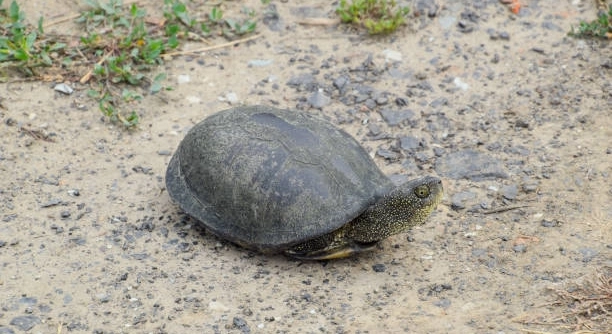
Musk turtles are fascinating creatures, but encouraging successful mating can sometimes be a challenging task. If you’re eager to see your turtles thrive, it’s important to understand the key factors that help facilitate their reproduction.
To encourage successful musk turtle mating, focus on providing an optimal environment with proper water conditions, temperatures, and habitat space. Regularly monitor their health, diet, and stress levels, as these factors influence their readiness to mate.
Creating a suitable environment will help your turtles feel at ease and increase their chances of successful mating. Follow these tips to ensure the best outcomes for your musk turtles.
Creating the Ideal Habitat for Musk Turtles
When setting up a space for musk turtles, the habitat is one of the most important factors in encouraging successful mating. A well-maintained aquarium with enough space for them to roam is essential. Musk turtles prefer clean, fresh water, so maintaining proper filtration is crucial. The water temperature should be consistent, ideally between 75 to 80°F (24 to 27°C). It is also important to provide both shallow areas for basking and deeper sections where they can swim. Adding rocks and plants will mimic a more natural environment, which can reduce stress and help the turtles feel at ease.
In addition to space, ensure the water is changed regularly. Musk turtles are sensitive to poor water quality, which can affect their health and behavior. Healthy turtles are more likely to mate successfully, so water parameters must be consistently monitored.
Providing a clean, comfortable environment makes a big difference in creating the ideal setting for your turtles to thrive and mate. If the environment is stable, your turtles will feel more secure, increasing their chances of breeding.
Adjusting Temperature and Lighting
Temperature and lighting control are vital to musk turtle health and mating behavior. Mimicking natural day-night cycles with the right lighting is key.
Turtles rely on UVB lighting for essential vitamin D3 production, which helps with calcium absorption. This is important for reproductive health and overall well-being. Provide a basking light to regulate their body temperature and help them dry off after swimming. A consistent light schedule, ideally 12 hours of light and 12 hours of darkness, will promote healthy activity patterns and encourage mating behaviors.
Proper Diet for Musk Turtles
A balanced diet plays a major role in promoting healthy musk turtles, which directly affects their mating success. Provide a variety of foods such as high-quality pellets, live or frozen fish, and aquatic plants. A well-rounded diet ensures that turtles receive all the necessary nutrients, including vitamins, minerals, and protein.
It’s also essential to vary their diet to prevent nutritional deficiencies. Feeding them once a day is typically sufficient, but adjusting based on their age and activity level may be necessary. Overfeeding can lead to obesity, which can hinder their ability to reproduce.
Regularly offering a mix of protein, vegetables, and calcium-rich foods like cuttlebone will support your turtles’ overall health. Ensuring proper nutrition will help them thrive, and that vitality can increase their chances of successful mating.
Reducing Stress for Better Reproduction
Stress can significantly impact musk turtles, preventing them from mating successfully. Limiting disturbances, such as loud noises or frequent handling, helps create a calmer environment.
Turtles are naturally shy, and constant stress can result in reduced appetite and lowered reproductive activity. If you notice your turtle becoming inactive or hiding, it may be a sign of stress. Consider adjusting their environment by limiting noise, light, or human interaction to help them feel more comfortable. A peaceful space encourages your turtles to remain active and healthy, increasing the chances of mating.
In addition to a quiet environment, maintaining proper tank conditions and routine care also helps minimize stress. Healthy, stress-free turtles are more likely to engage in mating behaviors when the environment supports their well-being.
Observing Mating Behavior
Musk turtles display specific mating behaviors, such as males approaching females and gently nipping at their shells or necks. These actions are part of their courtship ritual, signaling readiness for reproduction.
Pay attention to these behaviors, as they indicate that the turtles are ready to mate. Male musk turtles may also engage in gentle swimming movements, trying to grab the female’s attention. During this time, the female’s willingness to mate is crucial. If the female is not receptive, she may avoid the male’s advances, signaling that the conditions are not right for mating.
These behavioral cues are vital for determining when mating may take place. A male’s persistence, combined with the female’s cooperation, creates the perfect environment for successful breeding.
Separation of Turtles During Non-Breeding Periods
When musk turtles are not mating, it can be beneficial to separate them to avoid stress.
Keeping turtles apart allows them to focus on their individual needs, such as eating and resting, without the pressure of constant courtship. This separation also provides time for each turtle to regain energy and health before the next mating season.
Encouraging Natural Mating Cycles
Musk turtles have natural mating cycles that align with seasonal changes. Mimicking these cycles can help promote successful reproduction.
By adjusting water temperature and light cycles to resemble their natural environment, you can trigger mating behaviors. Ensure they have the correct temperature and day/night cycle to encourage breeding. This can significantly increase the chances of successful mating.
FAQ
How do I know if my musk turtles are ready to mate?
Musk turtles show specific behaviors when they are ready to mate. The male will often swim around the female and display courtship behaviors such as nipping at her neck or shell. You may also notice the male performing specific swimming motions to get the female’s attention. The female will typically respond by remaining still or swimming to a more comfortable spot if she is ready to mate. If she is not receptive, she may actively avoid the male.
What is the best temperature for musk turtle mating?
The ideal temperature for musk turtles during the mating period is between 75 and 80°F (24-27°C). This range supports their natural behavior and encourages reproductive activity. If the water is too cold, the turtles may become lethargic and less likely to mate. A stable temperature promotes a more active and healthy environment for mating.
Can I keep multiple males and females together for breeding?
Yes, you can house multiple males and females together, but it is essential to monitor their behavior. Sometimes, males can become overly aggressive during the breeding season, leading to stress or injury. If aggression becomes an issue, it may be necessary to separate the turtles. It’s also crucial to provide enough space and hiding spots to reduce competition and allow the turtles to move freely.
What should I do if my musk turtles aren’t mating?
If your musk turtles aren’t mating, you may need to reassess their environment. Ensure the temperature, lighting, and water quality are ideal. Stress factors, such as too much handling or disturbance, can also discourage mating. Adjust their diet, offer them proper lighting, and make sure the tank is spacious enough. If the turtles continue to show no interest in mating, it may be best to allow them more time or consult a veterinarian to ensure there are no underlying health issues.
How often do musk turtles breed?
Musk turtles typically breed once a year, with mating often occurring in the spring or early summer. Female musk turtles can store sperm for several months, so even if they mate once, they can lay eggs later in the year. This natural cycle helps ensure successful reproduction even when environmental conditions aren’t always optimal.
How long does the mating process take?
The actual mating process for musk turtles may last anywhere from a few minutes to an hour. Males generally court females for a short period before mating occurs. Once mating is successful, the female may begin laying eggs a few weeks later. The courtship and mating behavior are often observed during the warmer months, aligning with their breeding season.
How do I care for musk turtle eggs once laid?
After a female musk turtle lays her eggs, it’s important to handle them carefully. Place the eggs in a humid environment with temperatures between 80-85°F (27-29°C). If you choose to incubate the eggs outside the tank, use a container with a moist substrate like vermiculite. Keep the eggs in a warm, dark place for approximately 60 to 90 days, depending on the species and temperature. Once they hatch, the baby turtles should be placed in a safe environment with proper water quality and basking spots.
Is it safe to handle musk turtles during the mating season?
During the mating season, it’s best to limit handling of musk turtles. Mating can be a stressful time for them, and excessive handling may interfere with their natural behaviors. If you need to move or adjust their habitat, do so gently and with minimal disturbance. Allow the turtles to focus on their courtship without added stress.
Can musk turtles breed in captivity?
Yes, musk turtles can breed successfully in captivity. However, creating the right environment is key to encouraging breeding. This includes maintaining appropriate water conditions, temperature, and lighting, as well as providing enough space for both males and females. Captive breeding is often successful when their natural habitat is closely replicated, and they are given proper care and attention.
How can I encourage musk turtles to breed naturally?
Encouraging natural breeding involves mimicking the seasonal changes that musk turtles experience in the wild. Adjust the water temperature and light cycles to simulate natural spring or summer conditions. Proper diet, habitat space, and minimal stress will also increase the likelihood of successful breeding. By creating a stable and natural environment, you give your musk turtles the best chance to mate.
Final Thoughts
Encouraging successful musk turtle mating requires attention to detail in their care. Understanding the natural behaviors, dietary needs, and environmental factors that contribute to their well-being is crucial. A calm and stable habitat, along with proper nutrition, helps ensure that both males and females are in the best condition for reproduction. By mimicking the turtles’ natural cycle, you can support their breeding process and increase the chances of successful mating.
It’s important to keep an eye on the turtles’ behavior, as subtle changes can signal whether they are ready to mate. Male turtles often display specific courtship behaviors, such as nipping and swimming around the female, which can help you assess when they are ready. Providing them with a stress-free environment and maintaining proper tank conditions is essential for encouraging mating. Avoiding disturbances and allowing the turtles to focus on their natural instincts is one way to reduce the chances of interference.
While it may take some time to get everything right, patience is key. If mating does not happen immediately, don’t worry. Ensure the temperature, water quality, and lighting are all optimal. Over time, you will create a conducive environment where your musk turtles can thrive and, hopefully, reproduce successfully.

Hello,
If you enjoy the content that we create, please consider saying a "Thank You!" by leaving a tip.
Every little bit helps us continue crafting quality advice that supports the health, happiness, and well-being of pets around the world, for pets of all shapes, sizes, and species.
We really appreciate the kindness and support that you show us!