
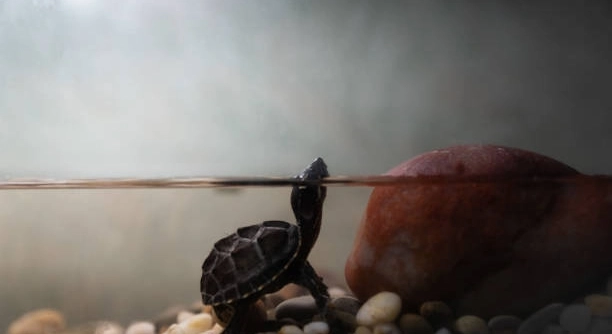
Musk turtles are fascinating creatures, especially when they emerge from hibernation. Knowing the signs of their return is essential for their care and health. Here’s a guide to recognizing when your musk turtle is waking up.
The main indicators of a musk turtle emerging from hibernation include increased activity, basking, and eating. As temperatures rise, your turtle will begin to show signs of movement, such as searching for food and coming out of its hiding place.
Understanding these signs ensures you can provide the best environment for your turtle’s recovery from hibernation.
Increased Movement and Exploration
When your musk turtle starts to move more, it’s one of the first signs that hibernation is ending. You’ll notice that it becomes more active, slowly crawling around its habitat. The turtle might begin exploring areas it has not interacted with for months. At first, the movements will likely be slow and cautious. But as the days pass, you’ll see more confidence. The once sedentary turtle will begin showing signs of curiosity, nudging objects in its environment and trying to climb over obstacles.
This increase in movement is a clear indication that your turtle’s metabolic processes are starting to speed up again, preparing it for regular activity.
It’s a great time to check if its environment is clean and free of debris. A clean tank encourages your turtle to stay active and healthy. Also, ensure there are hiding spots to reduce stress while your turtle adjusts.
Basking Behavior
Another sign that your musk turtle is emerging from hibernation is its need to bask. After months of being inactive, it will seek out heat sources to regulate its body temperature. The basking area will become a prime location for your turtle to spend time, helping it to warm up and regain strength.
Basking is essential for your turtle’s health, especially when transitioning out of hibernation. It’s a sign that your turtle’s digestive system is waking up and readying for food intake. The basking behavior also helps your turtle shed old skin, contributing to its overall well-being. Ensure the basking area is well-lit and comfortably warm to encourage this natural behavior.
Increased Appetite
As your musk turtle emerges from hibernation, you will notice an increase in its appetite. After weeks or months without food, your turtle’s body will be craving nourishment. The turtle will likely show interest in its food, such as actively swimming toward the feeding area. At first, its appetite may not be large, but it will gradually increase over the next few days. Offer small portions of food and monitor your turtle to ensure it is eating properly.
This period of increased hunger is essential for your turtle to regain strength and energy after the long rest of hibernation. You may notice that it devours its food quickly, so don’t be surprised if it eats more than usual.
If your turtle refuses to eat, it could indicate an underlying issue that needs attention. In this case, ensure the water temperature and environment are comfortable and stress-free. It’s important to keep a close eye on your turtle’s behavior during this period to ensure its recovery.
More Frequent Swimming
When your musk turtle begins to swim more frequently, it’s a sign that it is regaining its energy. The swimming movements will likely start out slow, but over time, the pace will increase as the turtle becomes more active. As the turtle warms up, it will begin to explore the tank more thoroughly, moving around to check out different areas.
Increased swimming indicates that your turtle is becoming physically active again and that its muscles are starting to regain strength. This behavior helps promote circulation, which is essential for its recovery. Make sure your turtle’s tank is large enough to allow it to swim freely and exercise its muscles.
The more active swimming also encourages your turtle to regulate its body temperature naturally. As the water temperature rises, it will feel more comfortable and motivated to move. Just like basking, swimming helps your turtle’s metabolic system return to its normal function after hibernation.
Shifting Behavior Patterns
As your musk turtle transitions out of hibernation, you may notice changes in its behavior. It will start moving more frequently and with greater purpose. This increase in activity is a clear sign that the turtle’s body is ready to resume normal functioning after its long rest.
Behavioral shifts can include more exploration of its environment. You may also see your turtle become more social, especially if you have multiple turtles in its habitat. It’s important to keep track of these changes to ensure that your turtle is adjusting well.
Activity Around Water
During the transition, your musk turtle may start to show more interest in its water environment. This includes swimming around the tank, even if it is not eating yet. It may also begin to soak for longer periods as it seeks to hydrate.
The water temperature plays a key role in this behavior. Make sure the water is at an appropriate temperature to encourage your turtle to become more active. Keep the water clean and clear for proper hydration. These changes indicate that your turtle is preparing to return to its regular activity level.
Seeking Hiding Spots
After hibernation, your musk turtle may search for new hiding spots. This behavior helps it feel safe and secure as it regains strength. The turtle might retreat to darker, more private areas of the habitat during certain times of the day.
Providing these hiding spots is important for reducing stress and allowing your turtle to feel secure. During this time, your turtle’s stress levels may be higher, so ensure it has a quiet, comfortable space to retreat when needed.
FAQ
How do I know if my musk turtle is waking up from hibernation?
You will notice your musk turtle moving more, basking, and showing increased interest in food. Its behavior will shift from being inactive to becoming more curious, with more swimming and exploration in its habitat. Increased activity, more frequent basking, and a return to normal feeding behavior are key signs that hibernation is ending. Keep an eye on these indicators to ensure the transition is smooth.
How long does it take for a musk turtle to fully wake up from hibernation?
The time it takes for your musk turtle to fully wake up can vary, but it generally takes a few weeks. The first few days may show slow movement and limited activity. Over time, as the environment warms up, your turtle will become more active, and its feeding habits will return to normal. Be patient as it adjusts.
Should I feed my musk turtle right away when it wakes up?
It’s best to wait a little while before feeding your musk turtle. Start by offering small amounts of food after it shows signs of increased activity and appetite. Too much food too quickly can overwhelm its digestive system after hibernation. Gradually increase the food intake as the turtle becomes more active.
What should I do if my musk turtle doesn’t start moving after hibernation?
If your musk turtle is not showing any movement after hibernation, it could indicate an issue. Check the temperature of the water and basking area to ensure it’s appropriate. If the temperature is too low, your turtle may still be in a state of dormancy. If there is no improvement, consult with a vet to rule out any health issues.
Can I handle my musk turtle after it wakes up from hibernation?
It’s best to wait until your musk turtle has fully adjusted before handling it. Handling it too soon could cause stress and interfere with its recovery. Give your turtle a few weeks to get back into its routine, and then gently handle it if needed for cleaning or tank maintenance.
How do I create the best environment for my musk turtle after hibernation?
To help your musk turtle recover, ensure that its tank is warm and clean. The water temperature should be between 75°F and 80°F, and the basking area should be around 85°F to 90°F. Provide a hiding spot for your turtle to retreat to if it feels stressed. Clean the tank regularly to maintain a healthy environment for your turtle.
What if my musk turtle isn’t eating after hibernation?
If your musk turtle isn’t eating, it could be a sign of stress or that the water temperature isn’t ideal. Make sure the water is at the right temperature and that the basking area is accessible. Give your turtle time to adjust, but if it doesn’t start eating after a few weeks, seek advice from a veterinarian.
How can I help my musk turtle stay healthy during the hibernation process?
Before hibernation, make sure your musk turtle is in good health and has a proper diet. A healthy turtle is more likely to wake up well from hibernation. Ensure it has a suitable environment with the right temperature and humidity levels. During hibernation, check on the turtle periodically to ensure it remains safe, but avoid disturbing it too much.
Is it normal for my musk turtle to be lethargic after hibernation?
Yes, it’s normal for your musk turtle to be lethargic for the first few days or even weeks after coming out of hibernation. It takes time for the turtle’s metabolism to fully kick back in. Ensure it has a warm, comfortable space to recover and gradually increase activity.
Should I change my musk turtle’s diet when it comes out of hibernation?
It’s not necessary to change your musk turtle’s diet when it wakes up, but you can provide a more nutritious variety of food to help it regain strength. Offer a mix of commercial turtle pellets, fresh vegetables, and some protein sources like insects. Monitor its appetite and adjust accordingly.
Final Thoughts
When your musk turtle is emerging from hibernation, it’s important to be patient and observant. The transition back to activity can take time, and every turtle adjusts differently. Some may take longer to wake up fully, while others may show signs of energy sooner. It’s essential to monitor your turtle’s behavior closely, looking for signs of increased movement, appetite, and general activity. These changes are natural and indicate that your turtle is recovering and returning to normal. However, if your turtle doesn’t show improvement after a few weeks, it could be a sign of an underlying issue that requires veterinary attention.
Providing the right environment for your turtle during this time is crucial. Ensure that the water temperature and basking areas are at the appropriate levels to encourage your turtle’s recovery. Clean water and a stress-free space are also key to helping your turtle adjust. Offer small amounts of food as soon as your turtle starts showing interest in eating, and gradually increase the amount as it regains strength. Be sure to provide hiding spots for your turtle, as it may need time to feel safe again in its environment. This process should be gradual, and a supportive setup will help your turtle return to its healthy, active state.
Remember that the end of hibernation is just the beginning of a recovery phase. As your musk turtle gets back to its normal routine, keep an eye on its behavior and feeding habits. Over time, your turtle should return to its usual self, exploring, swimming, and eating regularly. By being patient and ensuring a proper environment, you can help make the transition smoother for your turtle. Every turtle is different, so it’s important to stay attuned to its specific needs during this time.

Hello,
If you enjoy the content that we create, please consider saying a "Thank You!" by leaving a tip.
Every little bit helps us continue crafting quality advice that supports the health, happiness, and well-being of pets around the world, for pets of all shapes, sizes, and species.
We really appreciate the kindness and support that you show us!