
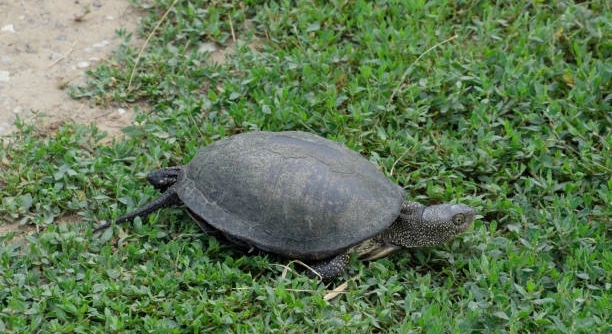
Musk turtles are fascinating creatures that often hide during the day. Their behavior can raise curiosity, but it’s actually a natural part of their routine. Understanding why they do this helps us learn more about their lifestyle and needs.
Musk turtles are nocturnal by nature, and they seek shelter during the day for protection and rest. This hiding behavior helps them avoid predators and conserve energy, ensuring they stay safe and healthy in their environment.
The reasons behind this behavior are more complex than simply avoiding sunlight. Keep reading to learn the key factors that influence their hidden habits.
Natural Instincts Drive Daytime Hiding
Musk turtles are primarily nocturnal creatures. This means they are more active during the night when it’s cooler and darker. During the day, they instinctively seek shelter in the shadows, under rocks, or submerged in the water to avoid the heat. This is essential for their survival, as exposure to the sun can lead to dehydration and stress. By hiding, they also stay away from predators that are more active during daylight hours. Their behavior is a protective measure that ensures they stay safe and in a state of balance with nature.
These turtles are built to thrive in low-light environments. The places they hide in are often areas that provide them with the necessary shelter and humidity levels to stay healthy.
Understanding their need for solitude during the day helps us appreciate their natural instincts. It also serves as a reminder of how important it is for them to have safe spaces in their environment.
Protection from Predators
Musk turtles hide during the day to avoid being noticed by larger predators. Being small and vulnerable, they rely on the safety of hiding places to remain undetected.
Predators, such as birds of prey and larger reptiles, are often more active during daylight. To survive, musk turtles must be cautious and careful about when and where they are visible. During daylight hours, hiding allows them to reduce their chances of becoming a meal. Their instinctive behavior ensures they can live long enough to carry out essential activities during the night when they are safest.
Conserving Energy
Musk turtles hide during the day to conserve energy for the night. By staying still and out of sight, they reduce unnecessary movement.
The night is when musk turtles are most active. During this time, they hunt for food and engage in other essential behaviors. Hiding throughout the day helps them save energy for when they need it most, ensuring that they have the strength to find food and protect themselves from threats. It’s all about efficiency and survival.
By resting during daylight hours, musk turtles maintain their energy levels. This behavior helps them avoid the fatigue that comes with being active during high temperatures or exposure to the sun. Their energy conservation directly impacts their well-being and ability to thrive in their habitat.
Temperature Regulation
Musk turtles rely on hiding to regulate their body temperature. The heat of the day can be overwhelming for them.
These turtles are ectothermic, meaning they rely on external sources to regulate their body temperature. Direct exposure to the sun can lead to overheating, which can cause stress or even harm. By retreating to cooler, shaded areas during the day, they keep their temperature at a comfortable level. This ensures they stay active and healthy when the sun goes down.
Their ability to hide in areas with water or shade provides a way to maintain their ideal body temperature. When nighttime comes, they can resume their activities, knowing they’ve avoided the heat of the day. Temperature regulation is vital for their survival.
Avoiding Dehydration
Musk turtles stay hidden to avoid dehydration. The heat of the day can quickly lead to water loss, making hiding essential.
Exposure to direct sunlight can cause musk turtles to lose moisture through their skin. By staying hidden in shaded or underwater areas, they prevent dehydration. It’s a critical survival strategy.
This behavior ensures they don’t become too stressed by the heat, which can lead to health problems. Staying cool and hydrated helps them remain healthy, giving them the strength to survive in their habitat.
Resting for the Night
Musk turtles spend their daytime hours resting to prepare for night activity. Their nocturnal behavior requires them to conserve strength.
Resting during the day allows them to have the energy to forage and defend themselves at night. This cycle of rest and activity helps them maintain a balanced routine.
FAQ
Why do musk turtles hide in the water during the day?
Musk turtles often hide in the water during the day to avoid the sun’s heat. Being ectothermic, their body temperature depends on external factors, and hiding in the water helps them stay cool. The water also offers them a safe space to rest and stay hydrated.
How long do musk turtles stay hidden during the day?
Musk turtles can hide for the majority of the day, often seeking shelter for several hours. They typically remain hidden during daylight hours, becoming active at dusk or after the sun sets when temperatures drop. Their behavior aligns with their nocturnal nature.
Do musk turtles hide from predators during the day?
Yes, musk turtles hide to avoid predators. During daylight, many of their predators, such as birds of prey or larger reptiles, are more active. By staying hidden, they reduce their chances of being noticed and attacked.
What do musk turtles do at night?
At night, musk turtles are more active. They forage for food, explore their habitat, and engage in mating behaviors. Their energy levels are replenished from the daytime rest, allowing them to carry out necessary activities during the cooler hours.
Can musk turtles be active during the day?
While musk turtles are generally nocturnal, they may be active during the day if the environmental conditions are right. For example, on cloudy or cooler days, they may come out of hiding to bask in the sun or explore their surroundings. However, they typically prefer to rest.
Is it normal for a musk turtle to hide for long periods?
Yes, it is completely normal for musk turtles to hide for extended periods. This behavior is part of their natural cycle, where they conserve energy, avoid heat, and protect themselves from predators. They typically emerge at night or in the early morning hours.
How do musk turtles find places to hide?
Musk turtles use their natural instincts to find places to hide. They look for shaded areas, submerged spots in the water, or places with dense vegetation where they can stay hidden. These spots provide protection from the sun, predators, and extreme temperatures.
Do musk turtles hide when they’re sick?
Yes, musk turtles may hide more than usual if they are feeling unwell. Hiding can be a response to stress, discomfort, or illness. If a musk turtle is hiding excessively and not eating or drinking, it may be a sign that they need medical attention.
Can musk turtles live without hiding during the day?
Musk turtles are highly dependent on hiding for their survival. Without proper hiding spots, they could become stressed, dehydrated, or vulnerable to predators. It’s essential for their health and well-being to have access to safe, cool places during the day.
Are musk turtles active in the winter?
Musk turtles may become less active in the winter, entering a state of brumation (a form of hibernation) during colder months. They seek out sheltered, warmer areas to stay safe and avoid freezing temperatures. Their activity levels decrease significantly, and they may stay hidden for longer periods.
How do musk turtles handle extreme heat?
Musk turtles avoid extreme heat by seeking cooler, shaded environments. When the temperature rises too high, they can become stressed and dehydrated. By staying hidden in water or shaded spots, they can regulate their body temperature and prevent heat-related health issues.
Final Thoughts
Musk turtles’ behavior of hiding during the day is a natural and essential part of their survival. By seeking shelter, they protect themselves from the harsh sun, conserve energy, and avoid predators. Their instinctive actions are vital for maintaining their health, as being out in the open during the day could lead to dehydration or stress. These turtles have adapted over time to rest during the day and become active at night when the environment is more favorable.
Understanding the reasons behind a musk turtle’s daytime hiding can help in providing a better environment for them in captivity. It is important to mimic their natural habitat as much as possible, offering shaded areas and water for them to retreat into during the day. This ensures that they are able to rest properly, conserve energy, and regulate their body temperature. Creating a safe space for them to hide is crucial to their well-being and longevity.
In conclusion, while musk turtles may seem like they’re simply being shy, their behavior is an instinctive and protective strategy. It ensures their survival in the wild and helps them thrive in various environments. By recognizing their needs and providing proper care, we can ensure that musk turtles live healthy, stress-free lives.

Hello,
If you enjoy the content that we create, please consider saying a "Thank You!" by leaving a tip.
Every little bit helps us continue crafting quality advice that supports the health, happiness, and well-being of pets around the world, for pets of all shapes, sizes, and species.
We really appreciate the kindness and support that you show us!