
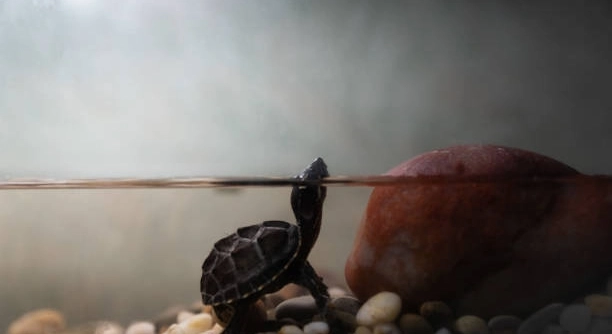
Wild Musk Turtles are captivating creatures, often found in freshwater environments. Their unique behavior and distinct features make them a fascinating species to observe. Understanding their characteristics can provide insight into their natural habitat and way of life.
The Wild Musk Turtle, also known as Sternotherus odoratus, is a small, freshwater turtle species native to North America. These turtles are characterized by their musk-producing glands, which release a strong odor when threatened. Their diet consists mainly of aquatic invertebrates and small fish.
These turtles have remarkable adaptations that contribute to their survival in the wild. Learning about their behavior and biology offers a deeper appreciation of these intriguing reptiles.
Unique Characteristics of Wild Musk Turtles
Wild Musk Turtles are small, often growing up to just 5 inches in length. Their dark, slightly textured shells and small heads make them easily recognizable. One of their most notable features is the ability to release a strong, musky odor when they feel threatened. This defense mechanism helps keep predators at bay. Their shells are usually dull in color, providing natural camouflage in murky waters. These turtles tend to be more active at night, seeking shelter during the day. They are also excellent swimmers and often stay near the bottom of lakes, ponds, or slow-moving rivers.
While their appearance is often overlooked, these turtles possess fascinating traits that help them thrive in their environments. They spend much of their time foraging for food like aquatic insects and small crustaceans. Their small size and stealth make them effective hunters in the water.
Musk turtles are also known for their long lifespan. They can live up to 50 years in the wild. Their slow metabolism allows them to survive in cold waters, which is quite an advantage when other species are less active.
Habitat and Distribution
Wild Musk Turtles are typically found in freshwater environments, ranging from shallow ponds to slow-moving streams. They prefer areas with soft, muddy bottoms and abundant vegetation, which provides both food and shelter. These turtles are distributed throughout the eastern and central United States, primarily in states like Kentucky, Ohio, and parts of Florida.
The type of water they inhabit plays a large role in their survival. They tend to avoid fast-moving rivers, instead opting for calm, shallow waters where they can forage easily. The plants and organic material in these areas provide food, while submerged logs or rocks offer protection from predators. Musk Turtles thrive in environments that are rich in both vegetation and cover, ensuring they can maintain their elusive lifestyle.
Turtles are vulnerable to environmental changes, such as pollution and habitat destruction. Protecting wetlands and slowing down the destruction of natural freshwater habitats is essential to their survival. As these turtles are relatively small and can be difficult to spot, it’s easy to overlook their declining populations in some areas.
Diet and Feeding Habits
Wild Musk Turtles are omnivores, with a diet consisting of aquatic insects, small fish, and crustaceans. They also eat plant matter, such as algae, aquatic plants, and decaying organic material. Their feeding habits adapt to the available food in their environment, allowing them to thrive in various conditions.
In the wild, these turtles typically hunt by foraging along the bottom of lakes or rivers, using their strong sense of smell to detect prey. They are opportunistic feeders, meaning they’ll eat whatever they can find. Their diet is primarily protein-based, but they also consume plant matter for added nutrition. Musk Turtles tend to be slow eaters, carefully selecting their meals to ensure they are getting the right nutrients.
Unlike some turtle species, Musk Turtles are not known for being picky eaters. They will eat whatever is available in their environment, making them highly adaptable to changes in food availability. This allows them to survive in a variety of habitats, from heavily vegetated wetlands to murky, low-visibility waters.
Behavior and Activity
Musk Turtles are generally solitary creatures, spending most of their time foraging and resting. They are known to be shy and prefer to stay hidden in the mud or among submerged logs. When disturbed, they release a musky odor to ward off potential threats.
These turtles are primarily nocturnal, emerging at dusk or night to feed. Their activity levels vary depending on the time of year and environmental conditions. During the warmer months, they tend to be more active, while in cooler months, they may spend long periods of time in a semi-dormant state. Musk Turtles are also highly adaptable to changes in their environment, allowing them to survive in both low-oxygen and cold-water habitats.
Although they are shy and not particularly social, Musk Turtles do interact with one another during the mating season. Males will approach females, and courtship involves a series of movements and displays. However, outside of mating, these turtles tend to live solitary lives, making them relatively low-maintenance in terms of social interactions.
Reproduction and Lifespan
Musk Turtles breed during the warmer months, typically in spring or early summer. The females lay small clutches of eggs in soft soil or sandy areas near water. After hatching, the young turtles are left to fend for themselves in the wild.
Mating occurs in the water, where males perform courtship displays to attract females. The female then chooses a location to bury her eggs, where they incubate for several months. Once hatched, the baby turtles are independent and start their journey by immediately entering the water.
Wild Musk Turtles have a relatively long lifespan, often living up to 50 years in the wild. Their slow metabolism helps them survive in harsh conditions, while their ability to adapt to different habitats allows them to thrive in various environments.
Threats and Conservation
Like many freshwater species, Musk Turtles face threats from habitat destruction and pollution. Wetlands are particularly vulnerable, and any changes to these habitats can negatively affect turtle populations. Efforts to protect wetlands can help preserve the natural environment that Musk Turtles depend on.
Conservation measures such as habitat protection and reducing water pollution are crucial for maintaining healthy populations of Wild Musk Turtles. Although they are not currently considered endangered, their populations are declining in certain areas. Protecting their natural environment ensures their survival in the long term.
Behavior in Captivity
In captivity, Musk Turtles tend to be more active due to a controlled environment. They adapt well to well-maintained tanks with water similar to their natural habitat. While they are still shy, they can become accustomed to their owners over time.
FAQ
How big do Wild Musk Turtles get?
Wild Musk Turtles are small, typically reaching lengths of 4 to 5 inches. Their compact size is one of their most distinguishing features, making them easy to overlook in their natural habitat. Despite their small size, they are well-adapted to their environment, using their agility to avoid predators.
What do Wild Musk Turtles eat?
These turtles are omnivores, feeding on a mix of aquatic insects, small fish, and crustaceans. They also consume algae and aquatic plants, providing them with the necessary nutrients. Their diet is flexible, depending on what is available in their environment.
How long do Wild Musk Turtles live?
Musk Turtles have long lifespans, often living up to 50 years in the wild. Their slow metabolism contributes to their ability to survive in various conditions. They thrive in stable environments and can endure harsh weather by adapting to cooler temperatures.
Are Wild Musk Turtles dangerous?
Wild Musk Turtles are not dangerous to humans. While they can release a strong musky odor when threatened, they are shy and non-aggressive. They prefer to avoid confrontation and would rather retreat into the water or mud than engage in defensive behavior.
Where are Wild Musk Turtles found?
These turtles are native to North America, primarily found in the eastern and central United States. They prefer freshwater environments, including ponds, lakes, and slow-moving rivers with plenty of vegetation and muddy bottoms. Wetlands are ideal habitats for them.
Do Wild Musk Turtles make good pets?
While Wild Musk Turtles can be kept as pets, they require a specific environment to thrive. A well-maintained aquarium with clean water and the right temperature is necessary. They are shy and not particularly social, so their care requires patience. These turtles also need a diet that mimics their natural food sources.
How do Wild Musk Turtles reproduce?
Mating season for Musk Turtles usually occurs in spring or early summer. After mating, females lay a small clutch of eggs in sandy or soft soil near water. The eggs incubate for several months before hatching. The baby turtles are born independent and head straight into the water.
What are the main threats to Wild Musk Turtles?
Wild Musk Turtles face threats from habitat destruction, pollution, and climate change. Wetlands are vulnerable to human activity, which can alter their habitats. Water pollution also affects their food sources, making survival more difficult. Conservation efforts are necessary to protect these turtles.
Can Wild Musk Turtles swim?
Yes, Musk Turtles are excellent swimmers. They spend most of their time underwater, using their strong legs and streamlined bodies to move through the water efficiently. They are often found at the bottom of lakes or rivers, foraging for food or hiding from predators.
Are Wild Musk Turtles endangered?
While Wild Musk Turtles are not currently classified as endangered, their populations are declining in certain areas. Habitat destruction and pollution are the main contributors to their declining numbers. Conservation efforts are essential to maintain healthy populations and protect their natural environments.
What do Wild Musk Turtles need in their habitat?
Musk Turtles thrive in freshwater habitats with soft, muddy bottoms and abundant vegetation. They prefer calm, shallow waters where they can forage for food and find shelter. A suitable environment also provides areas where they can hide from predators, such as submerged logs or rocks.
Can Wild Musk Turtles be kept in a tank?
Yes, Wild Musk Turtles can live in a well-maintained tank that mimics their natural environment. The tank should have clean, filtered water, a basking area, and proper lighting. The temperature and humidity should also be monitored to ensure they stay comfortable and healthy.
How do you care for Wild Musk Turtles in captivity?
To care for Musk Turtles in captivity, provide a clean tank with plenty of space for swimming. The water should be filtered and kept at the right temperature. Offer a diet of aquatic insects, small fish, and plant matter. Additionally, provide a basking area for warmth and UV light exposure.
Do Wild Musk Turtles hibernate?
Yes, Wild Musk Turtles do hibernate in colder climates. They become less active during the winter months, often retreating into mud or submerged areas to stay warm. During this time, their metabolic rate slows, and they may go without food for several months.
Can Wild Musk Turtles be kept with other pets?
Musk Turtles can generally be kept with other peaceful aquatic pets, but caution should be taken. Ensure that the tank is large enough to provide space for all inhabitants. Avoid keeping them with more aggressive species that could stress or harm the turtle.
What kind of water do Wild Musk Turtles need?
Musk Turtles prefer clean, fresh water. They thrive in tanks with filtered water, as it helps maintain water quality and keeps the turtles healthy. Regular water changes are also necessary to prevent the build-up of waste that can harm the turtles.
How do Wild Musk Turtles protect themselves?
Musk Turtles protect themselves by hiding in mud or under rocks. When threatened, they release a musky odor from glands near their tail. This strong smell deters predators, giving the turtle time to escape into the water. They are naturally shy and prefer avoiding danger rather than fighting.
Can Wild Musk Turtles be kept outdoors?
Musk Turtles can be kept outdoors in suitable environments such as ponds or large, secure enclosures. The habitat should replicate their natural conditions, with access to clean water, a basking area, and shelter. Ensure that the enclosure is secure to prevent escape or predation.
Do Wild Musk Turtles need UV light?
Yes, Wild Musk Turtles require UV light for proper shell and bone development. A UVB light source should be provided in their enclosure, along with a basking area. UV light helps them metabolize calcium and promotes overall health. Without proper UV exposure, they can develop health problems.
What should I feed Wild Musk Turtles in captivity?
In captivity, Wild Musk Turtles should be fed a diet similar to what they eat in the wild. This includes aquatic insects, small fish, and plant matter such as algae and water plants. Providing variety in their diet helps ensure they receive all necessary nutrients.
Final Thoughts
Wild Musk Turtles are fascinating creatures that thrive in diverse freshwater habitats across North America. Their small size, unique behaviors, and adaptability make them a wonder to observe. Though they are not currently endangered, their populations face threats due to habitat loss, pollution, and climate change. Protecting their natural environments is crucial to ensuring their continued survival in the wild.
For those considering Musk Turtles as pets, it is important to understand their specific care needs. They require clean water, proper lighting, and a diet that mimics their natural food sources. These turtles can be kept in tanks or outdoor enclosures, but their environment must be carefully monitored to ensure they remain healthy. While they are not as interactive as other pets, they offer a unique and low-maintenance option for turtle enthusiasts.
Preserving the Wild Musk Turtle population and their habitats requires ongoing conservation efforts. Education about the challenges they face and the importance of their preservation is vital. By supporting wildlife protection initiatives, we can help ensure that these remarkable turtles continue to thrive in their natural environments for generations to come.

Hello,
If you enjoy the content that we create, please consider saying a "Thank You!" by leaving a tip.
Every little bit helps us continue crafting quality advice that supports the health, happiness, and well-being of pets around the world, for pets of all shapes, sizes, and species.
We really appreciate the kindness and support that you show us!