
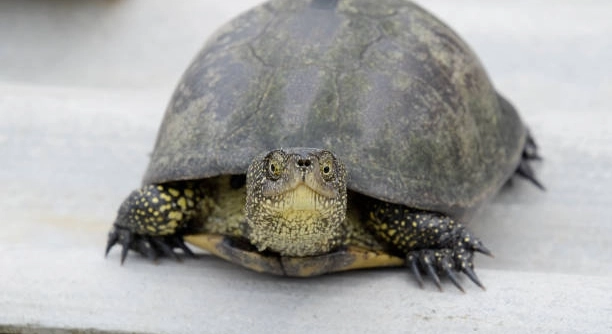
Are your musk turtles causing trouble in your community tank? Aggressive behavior can disrupt the peaceful balance among aquatic companions, leaving you concerned for the safety and well-being of your other tank inhabitants.
Musk turtles often display aggression due to territorial instincts, limited space, and competition for resources. Addressing these factors involves providing adequate space, enriching their environment, and ensuring proper tank mates to reduce conflict effectively.
Understanding the causes of aggression and implementing practical solutions can help create a harmonious environment for your musk turtles and their tank mates.
Why Musk Turtles Become Aggressive
Musk turtles can exhibit aggression when they feel their territory is being invaded. This behavior is often linked to limited tank space, stress, or mismatched tank mates. Small enclosures make musk turtles more territorial, while the presence of overly active or similar-sized tank mates may trigger confrontations. Additionally, competition for food and hiding spots exacerbates aggression, making it vital to address these factors promptly. Providing a well-structured environment tailored to the needs of musk turtles is essential for minimizing aggression and ensuring a peaceful aquatic habitat for all inhabitants.
A musk turtle’s aggression typically stems from their natural instincts. As solitary animals, they don’t always adapt well to shared spaces. Identifying specific triggers within your tank can help you manage and reduce this behavior.
By ensuring adequate space, selecting compatible tank mates, and creating hiding spots, you can reduce tension and support a harmonious tank environment.
Solutions to Musk Turtle Aggression
Creating a peaceful tank begins with understanding your musk turtle’s needs. These turtles thrive in environments with enough space and resources to minimize territorial behavior. Simple changes in the tank setup can drastically improve the well-being of your turtles and their tank mates.
Start by providing a tank size of at least 40 gallons for a single musk turtle. Larger tanks reduce territorial disputes and offer plenty of swimming and resting areas. Adding multiple hiding spots and visual barriers helps your turtles feel secure and reduces stress. Ensure tank mates are species that are less active and smaller in size to avoid triggering aggression. Feed your musk turtle separately to minimize competition for food, which often leads to conflict.
Addressing aggression involves tailoring your tank setup and maintaining a balanced environment to suit the specific needs of musk turtles.
Choosing the Right Tank Mates
Musk turtles are best housed with calm, smaller species that won’t provoke territorial behavior. Avoid pairing them with large, aggressive fish or other turtles, as these combinations often lead to stress and conflict within the tank environment.
Ideal tank mates for musk turtles include peaceful fish like guppies or mollies, as well as shrimp or snails. These species are less likely to trigger aggression because they occupy different areas of the tank or are too small to be perceived as threats. Ensure any tank mate is fast enough to avoid becoming prey, as musk turtles might still nip at slower companions out of curiosity. Regularly monitor interactions to ensure compatibility and avoid any signs of stress or injury.
Selecting compatible species helps reduce tension and promotes a peaceful environment. A well-thought-out tank setup ensures both your musk turtle and its companions thrive.
Creating an Enriched Habitat
An enriched habitat minimizes aggression by providing your musk turtle with activities and hiding spaces. Incorporate driftwood, caves, and plants to create visual barriers and allow for territorial boundaries within the tank. This setup helps reduce stress and encourages natural behaviors.
Aim for a variety of enrichment options to keep your musk turtle engaged. Floating platforms for basking, substrate for digging, and vegetation for hiding help mimic their natural habitat. Regularly rearranging tank décor keeps the environment stimulating and prevents boredom. Additionally, ensure proper lighting and water quality, as environmental stressors can contribute to aggressive tendencies.
A well-enriched tank supports the mental and physical well-being of musk turtles. Combining enrichment with proper care creates a balanced environment that helps to reduce aggression and promote harmony.
Maintaining Proper Water Quality
Poor water conditions can stress musk turtles, leading to aggression. Regularly monitor water temperature, pH levels, and ammonia levels to ensure they are within the recommended range. Consistent water changes are essential for maintaining a healthy aquatic environment.
Use a high-quality filter to remove waste and debris effectively. Regularly test the water with a reliable kit to identify and address any imbalances quickly. Providing clean, balanced water reduces stress and promotes better behavior in musk turtles.
Feeding Strategies to Reduce Aggression
Feeding musk turtles in separate areas can help prevent disputes over food. Use sinking pellets, vegetables, or live prey to create variety. Observing your turtle’s eating habits ensures all tank inhabitants are well-fed without conflict.
Monitoring Behavior
Frequent observation allows you to detect any signs of stress or aggression. Addressing issues early helps maintain harmony in the tank.
FAQ
Why is my musk turtle aggressive?
Musk turtles are territorial by nature, which can lead to aggression, especially in smaller tanks. They may also become aggressive due to stress from unsuitable tank mates, lack of hiding spots, or overcrowding. These turtles need ample space to avoid territorial disputes. Also, if there is competition for food or basking areas, they may act defensively. Addressing these issues by providing a larger tank, compatible tank mates, and sufficient resources can help reduce aggression.
Can musk turtles live with other turtles?
Musk turtles can live with other turtles, but it requires careful selection of species. Avoid pairing them with larger, more aggressive turtles, as musk turtles may become stressed or injured. Smaller, peaceful turtle species can be compatible, but ensure each turtle has enough space and resources to prevent conflict. Regular monitoring of interactions is necessary to ensure a peaceful environment.
How much space does a musk turtle need?
Musk turtles need a minimum of a 40-gallon tank for one turtle. The more space, the better. A larger tank reduces territorial disputes and provides more areas for the turtle to explore and hide. If you’re keeping more than one, increase the tank size to accommodate their individual needs. Consider adding additional hiding spots and basking areas to further reduce stress.
What can I do to prevent my musk turtle from fighting with tank mates?
To prevent fighting, ensure your tank has enough space, hiding spots, and basking areas for each turtle and tank mate. Choose peaceful, compatible species that won’t provoke your musk turtle. Additionally, feed them separately to avoid competition. Regularly monitor their behavior to ensure no signs of aggression or stress are present.
Are musk turtles aggressive toward humans?
Musk turtles are generally not aggressive toward humans, but they can become defensive if they feel threatened or stressed. They may nip if they feel cornered, or if they are not used to being handled. It’s best to avoid frequent handling, and instead, observe your turtle from a distance to respect its space.
How can I reduce stress in my musk turtle?
Reduce stress by providing a properly sized tank with clean water, plenty of hiding spots, and proper basking areas. Maintaining stable water temperatures and quality is also essential. Avoid sudden changes in the tank environment, as this can cause stress. Minimize handling and ensure your turtle has suitable tank mates to avoid conflicts.
What are the best tank mates for musk turtles?
The best tank mates for musk turtles are small, non-aggressive fish, snails, and shrimp. Avoid larger fish or aggressive species that may provoke your turtle. Ensure that tank mates are fast enough to avoid being seen as prey and don’t compete for food or space with the musk turtle.
Can musk turtles live with fish?
Musk turtles can live with certain species of fish, especially peaceful, fast-moving types. Avoid slow fish, as they can become easy targets for the turtle. Fish like guppies, mollies, or other small, fast species can coexist with musk turtles without triggering aggressive behavior. Always observe interactions to ensure compatibility.
Why is my musk turtle chasing other tank mates?
Chasing behavior is often related to territorial instincts or competition for food. Musk turtles may see other tank mates as a threat or rival for resources. To reduce chasing, make sure your turtle’s environment has ample space, hiding spots, and enough food for all inhabitants.
What are the signs that my musk turtle is stressed?
Signs of stress in musk turtles include erratic swimming, hiding excessively, or refusing to eat. Stress can also cause changes in behavior, such as aggression toward tank mates. Monitor the tank conditions regularly, and ensure the water temperature, pH, and cleanliness are within the ideal range to reduce stress.
How do I know if my musk turtle is sick?
If your musk turtle is showing signs of lethargy, lack of appetite, or difficulty swimming, it may be ill. Other signs include shell deformities, excessive shedding, or respiratory issues such as wheezing or bubbling. If any of these symptoms are present, consult a vet for proper diagnosis and treatment.
Can musk turtles live together in the same tank?
Musk turtles can live together, but only under the right conditions. Each turtle needs enough space, food, and hiding spots to feel secure. They should also be compatible in size and temperament. If aggression is present, separating them may be necessary to avoid injury.
How can I make my musk turtle more comfortable?
Ensure that your musk turtle has a clean, spacious tank with appropriate water quality, temperature, and lighting. Provide hiding spots and basking areas to mimic their natural environment. Keep their environment stable and free from abrupt changes. Regular feeding, cleaning, and observing will help maintain their comfort.
Is it normal for my musk turtle to chase its reflection?
Yes, it’s normal for musk turtles to chase their reflection, especially if they feel threatened or territorial. They may see their reflection as another turtle and become defensive. If this behavior is persistent, try reducing reflective surfaces or adding more hiding spots to alleviate the stress.
Can I put plants in my musk turtle tank?
Yes, you can add live plants to your musk turtle’s tank, but it’s important to choose durable species. Musk turtles may nibble on plants, so select hardy varieties like anubias or java fern. Plants also provide hiding spots and improve water quality, making the environment more natural.
Do musk turtles need UVB light?
Yes, musk turtles require UVB light to help them synthesize vitamin D3, which is essential for proper shell and bone development. A proper UVB light source should be provided for 10-12 hours a day. Place the light at an appropriate distance from the basking area to ensure its effectiveness.
Final Thoughts
Musk turtles are fascinating creatures, but their territorial nature can sometimes cause issues with aggression. Understanding the underlying causes of their behavior is essential for creating a peaceful environment. Stress, overcrowding, or incompatible tank mates often contribute to aggression. By ensuring that your musk turtle has enough space, clean water, and proper resources, you can reduce the likelihood of aggressive behavior. Consistently monitoring their behavior and the tank conditions is key to maintaining harmony among all the inhabitants.
Feeding strategies also play a significant role in preventing aggression. Providing separate feeding areas or offering enough food for each turtle ensures that they don’t compete for resources. A variety of food items, including pellets, vegetables, and occasional live prey, will keep them healthy and satisfied. If they feel secure in their food supply, they are less likely to become aggressive toward their tank mates. Observing your turtles during feeding times will allow you to address any issues early before they develop into larger problems.
Lastly, it’s important to be patient and consistent when caring for musk turtles. Their behavior can take time to adjust, especially if they are moved to a new environment or have had negative experiences in the past. By providing a stable, well-maintained habitat with ample hiding spaces, basking areas, and tank mates, you are giving them the best chance for success. Over time, with the right environment and care, your musk turtle can thrive and live peacefully with other tank mates.

Hello,
If you enjoy the content that we create, please consider saying a "Thank You!" by leaving a tip.
Every little bit helps us continue crafting quality advice that supports the health, happiness, and well-being of pets around the world, for pets of all shapes, sizes, and species.
We really appreciate the kindness and support that you show us!