
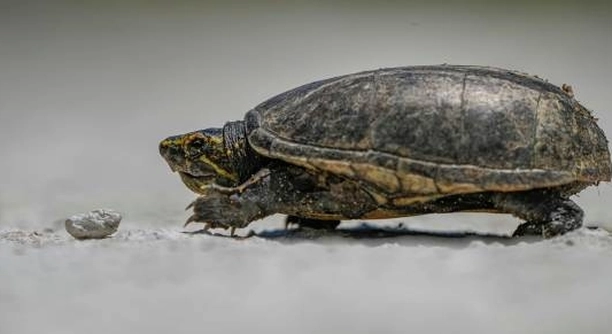
Musk turtles, like many reptiles, require natural sunlight to thrive. Their health and well-being depend on exposure to the sun’s rays. It can positively impact their physical and mental state, offering benefits that artificial lighting cannot replicate.
Natural sunlight plays a vital role in a musk turtle’s overall health. It aids in vitamin D synthesis, supports their immune system, and regulates their behavior. Sunlight is a crucial element for their proper growth and development, mimicking their natural environment.
Understanding the positive effects of sunlight on musk turtles can improve their care and support their long-term health.
Sunlight Helps with Vitamin D Production
Vitamin D is essential for a musk turtle’s health, helping their body absorb calcium properly. In the wild, turtles bask in the sun to generate this vitamin. Without natural sunlight, they may develop deficiencies that lead to weak shells, poor bone development, and overall health issues. These problems can affect a turtle’s ability to swim and move efficiently. Vitamin D deficiencies are one of the most common health concerns for turtles kept indoors with limited access to sunlight. Therefore, providing a space for sunbasking can help ensure their growth remains healthy.
While artificial lighting can help supplement light, it cannot produce the same benefits as natural sunlight. Sunlight directly triggers the production of vitamin D3 in their skin, offering advantages that artificial UVB bulbs simply cannot match.
Regular exposure to natural sunlight, either outdoors or near a window, supports your turtle’s physical development. It keeps their bones strong and healthy, helping them avoid conditions like metabolic bone disease, which often results from insufficient vitamin D levels.
Sunlight Regulates Behavior
Exposure to sunlight helps regulate the natural behavior of musk turtles. They become more active when they receive the right amount of sunlight, especially during basking sessions. This behavior mirrors their instincts in the wild, where they would soak in the sun before swimming or hunting.
Without sunlight, turtles can become lethargic and show less interest in eating or exploring their environment. They may also become more stressed and anxious. A lack of sunlight disrupts their natural circadian rhythm, affecting their behavior and overall well-being. Ensuring they get enough sunlight helps maintain their natural activity levels.
When exposed to natural sunlight, musk turtles are more likely to engage in essential activities such as hunting, swimming, and basking. These behaviors are crucial for their mental and physical health. By mimicking their natural habitat, sunlight helps encourage these vital actions, improving their quality of life.
Sunlight Supports a Healthy Shell
Sunlight plays a major role in maintaining the health of a musk turtle’s shell. Regular exposure to sunlight prevents shell deformities and keeps it strong. Sunlight supports the synthesis of vitamin D, which is essential for proper calcium absorption. This helps the turtle form a solid and resilient shell.
Without adequate sunlight, a turtle’s shell can become soft, deformed, or prone to infections. Over time, inadequate calcium intake leads to weakened shells that may not provide proper protection. This could make your turtle more susceptible to injuries, infections, and poor health.
Providing consistent sunlight ensures that your turtle’s shell remains strong and healthy, preventing these issues. Sunbasking is a natural behavior that helps turtles maintain their shells and overall health. By offering access to natural sunlight, you’re ensuring your musk turtle’s long-term well-being and reducing the risk of shell problems.
Sunlight Enhances Immune Function
Regular exposure to sunlight boosts a musk turtle’s immune system. Sunlight helps regulate their metabolism and enhances their natural defenses. Turtles with sufficient sunlight exposure are better equipped to fight off infections and other illnesses. Their bodies can better respond to stress and environmental changes, improving their overall health.
Lack of sunlight can make a turtle more susceptible to diseases. Without adequate sunlight, their immune function may weaken, leaving them vulnerable to bacterial or fungal infections. Ensuring they get enough sun exposure helps maintain a healthy immune system and reduces the risk of health complications.
Sunlight Supports Healthy Growth
Musk turtles experience better growth when they are exposed to natural sunlight. Sunlight encourages the production of essential vitamins and minerals, which are vital for their growth and development. It helps ensure that they grow at a healthy rate, both physically and mentally.
Providing enough sunlight ensures your turtle grows properly, avoiding growth stunting and weak bones. Sunlight allows them to absorb the necessary nutrients for strong development, supporting their overall health as they mature.
Sunlight Prevents Stress
Turtles that have access to sunlight show fewer signs of stress. Stress can manifest as reduced activity, loss of appetite, or behavioral changes. Natural sunlight helps maintain a calm, comfortable environment for your musk turtle, promoting relaxation and better well-being.
FAQ
How much sunlight do musk turtles need each day?
Musk turtles require about 10-12 hours of sunlight per day. If you’re keeping them indoors, try to provide access to natural sunlight through a window or use a UVB light to mimic sunlight. This helps them maintain healthy bones and a strong immune system. It’s essential to avoid keeping them in direct sunlight for too long, as overheating can also be harmful.
Can musk turtles stay in direct sunlight?
While musk turtles benefit from sunlight, they should not be left in direct sunlight for extended periods. Too much sun exposure can lead to overheating, dehydration, and sunburn. It’s important to provide them with a shaded area where they can retreat if they get too hot.
Can I use artificial lighting instead of sunlight?
Artificial UVB lighting can be used to supplement sunlight but cannot replace the full benefits of natural sunlight. UVB bulbs help produce vitamin D3, which is crucial for your turtle’s health. However, it’s recommended to let your turtle bask in natural sunlight whenever possible for the best results.
What happens if my turtle doesn’t get enough sunlight?
If a musk turtle doesn’t get enough sunlight, it may suffer from vitamin D deficiencies, leading to weakened bones and a soft shell. Lack of sunlight can also affect its behavior, causing lethargy and a weakened immune system. Over time, insufficient sunlight may lead to serious health problems, including metabolic bone disease.
Can my turtle get too much sunlight?
Yes, too much sunlight can be harmful. Overexposure to direct sunlight can lead to overheating, dehydration, and heatstroke. Ensure your turtle has access to shaded areas and water to regulate its temperature. If kept outside, make sure they can escape from the sun when needed.
Can I keep my turtle indoors with UVB lighting instead?
Yes, you can keep your musk turtle indoors with proper UVB lighting. However, it’s essential to provide the correct type of light and ensure it mimics natural sunlight. UVB lamps should be placed close enough to your turtle to be effective, typically within 12 inches, and should be replaced every 6-12 months.
How long should I let my turtle bask in the sun?
A musk turtle should bask in the sun for around 15-30 minutes a day. This short duration is enough to provide the necessary UVB exposure for vitamin D production. If they’re outside, always monitor the temperature to ensure it isn’t too hot, as overheating can lead to stress or health issues.
Is it safe for my turtle to be outside in the sun?
Yes, it is safe for your turtle to be outside in the sun, as long as you take precautions. Make sure the temperature is moderate and there is access to water and shade. Avoid leaving your turtle outside unattended, as predators or environmental hazards could cause harm.
What type of environment is best for my musk turtle to get sunlight?
The best environment for a musk turtle to get sunlight is an outdoor, enclosed area where they can safely bask and swim. If kept indoors, placing them near a window with sunlight exposure can help. Ensure the area is not too hot and that the turtle can move to a cooler, shaded spot if needed.
What are signs my turtle isn’t getting enough sunlight?
Signs that your musk turtle isn’t getting enough sunlight include lethargy, loss of appetite, and changes in shell condition, such as soft or deformed areas. It may also exhibit abnormal behavior, such as excessive hiding. If you notice these signs, it’s important to increase sunlight exposure or provide UVB lighting.
Can I take my turtle outside every day?
Taking your musk turtle outside every day can be beneficial, but it’s important to avoid prolonged exposure to direct sunlight. Ensure they have access to shaded areas, fresh water, and a safe environment. If the weather is too hot or cold, it’s best to keep them inside.
How can I tell if my turtle is getting too much sun?
Signs that your musk turtle may be getting too much sun include heavy panting, lethargy, and seeking constant shade or water. If your turtle seems overly stressed or unable to regulate its body temperature, it’s a sign that it’s been exposed to too much heat. Always provide a shaded area for your turtle to retreat to when needed.
Should I bring my turtle inside at night?
Yes, you should bring your musk turtle inside at night to keep it safe from predators and extreme temperature fluctuations. Even if they are kept outdoors during the day, it’s important to provide a secure, safe environment for them to sleep in at night.
What temperature is ideal for my turtle when basking?
The ideal basking temperature for a musk turtle is between 85-90°F (29-32°C). Ensure they have access to water that is cooler, around 75-80°F (24-27°C), to help regulate their body temperature. This temperature range will allow them to digest food, bask comfortably, and maintain proper health.
Can I use a heat lamp instead of natural sunlight?
A heat lamp can help keep your turtle warm, but it doesn’t replace the full spectrum of sunlight. A heat lamp can provide warmth, but for UVB rays, a proper UVB bulb is necessary to ensure your turtle gets the essential light it needs for its health.
Final Thoughts
Providing musk turtles with natural sunlight is crucial for their overall health. Sunlight helps regulate their metabolism, supports their immune system, and encourages healthy growth. It also aids in the production of vitamin D3, which is essential for strong bones and shell development. Without enough sunlight, turtles can become more susceptible to illness, bone deformities, and other health issues. In some cases, a lack of sunlight can even shorten their lifespan. Ensuring your turtle has access to proper lighting, whether natural or artificial, plays a major role in maintaining its well-being.
While sunlight is beneficial, it’s important to balance exposure to avoid any risks. Too much sunlight can cause overheating, dehydration, or sunburn. Turtles should always have access to a shaded area or water where they can cool off if necessary. Proper temperature regulation is key, as extreme heat can stress the turtle, while too little warmth can affect its digestion and immune system. Indoor turtles can benefit from UVB lights designed to mimic natural sunlight, especially when outdoor exposure isn’t feasible. Maintaining the right environment is essential for their physical and emotional health.
In conclusion, sunlight plays a vital role in the care of musk turtles. Whether kept indoors or outdoors, ensuring that they receive adequate sunlight is necessary for their health and longevity. Sunlight supports a healthy immune system, strong growth, and mental well-being, while insufficient exposure can lead to serious health problems. It’s important to monitor your turtle’s environment and ensure they have access to both sunlight and shaded areas, allowing them to regulate their temperature. With the right care and attention, your musk turtle can thrive in a healthy, balanced environment.

Hello,
If you enjoy the content that we create, please consider saying a "Thank You!" by leaving a tip.
Every little bit helps us continue crafting quality advice that supports the health, happiness, and well-being of pets around the world, for pets of all shapes, sizes, and species.
We really appreciate the kindness and support that you show us!