
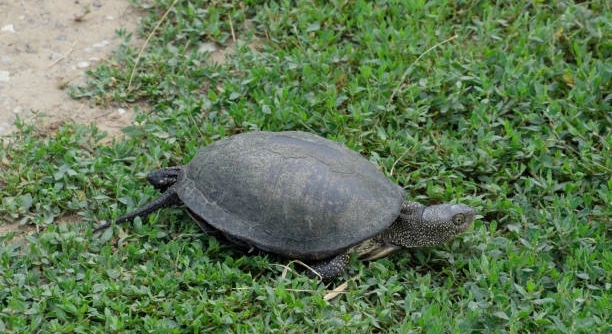
Have you ever noticed that not all musk turtles hibernate the same way, leaving you wondering why these differences occur?
Musk turtles hibernate unevenly due to environmental conditions, individual health, and biological rhythms. Factors like water temperature, oxygen levels, and species-specific traits all influence their hibernation patterns, making it a complex and varied process.
Understanding these factors will help you create a suitable habitat and ensure your musk turtle’s health during this critical period.
Why Do Musk Turtles Hibernate Unevenly?
Musk turtles hibernate unevenly due to a combination of factors. Environmental conditions like water temperature and oxygen levels can vary, even within the same tank or pond. Additionally, individual differences in age, health, and metabolic rate contribute to these variations. Some turtles may hibernate deeply while others remain semi-active, depending on their specific needs. Seasonal changes and habitat quality also play critical roles in influencing these patterns. Recognizing these differences is essential for providing appropriate care and ensuring their well-being during colder months.
Creating a stable environment helps reduce inconsistencies. Use a reliable thermometer and monitor water oxygen levels to maintain optimal conditions for hibernation.
By understanding their unique needs and adjusting their habitat accordingly, you can support your musk turtles’ health, even as their hibernation habits differ.
Seven Factors to Consider
Environmental factors play a significant role in uneven hibernation. Water temperature, oxygen levels, and light exposure must be carefully regulated for consistency.
Beyond environmental conditions, biological factors such as species-specific traits, overall health, and individual metabolic rates also impact hibernation. Healthy turtles are more likely to follow predictable patterns, while those with health issues may require closer monitoring. Nutritional intake before hibernation is another important consideration. A well-fed turtle with adequate reserves can hibernate more efficiently, reducing stress and potential health risks.
Understanding these seven factors—water temperature, oxygen levels, light exposure, species traits, health status, metabolic differences, and pre-hibernation nutrition—can help you create an environment that promotes healthier and more predictable hibernation for your musk turtles.
How Temperature Affects Hibernation
Musk turtles rely on stable water temperatures to regulate their hibernation. Cold but consistent temperatures between 40–50°F help maintain their metabolic rate, ensuring they conserve energy effectively during this period. Sudden fluctuations can disrupt their hibernation patterns.
If the water becomes too warm, turtles may remain active, using up energy reserves and risking health issues. Conversely, temperatures that drop too low can slow their metabolism excessively, causing stress or even harm. Maintaining steady, appropriate temperatures using an aquarium heater or monitoring outdoor habitats is critical for their well-being.
Understanding temperature control is essential. In outdoor habitats, seasonal variations may require insulation or adjustments to water levels to prevent freezing. For indoor setups, invest in reliable temperature-monitoring equipment and make necessary adjustments to create a safe and stable environment that supports healthy hibernation patterns for your turtles.
The Role of Oxygen Levels
Proper oxygen levels are crucial for musk turtles during hibernation. Low oxygen can force them to surface frequently, interrupting their rest and increasing stress. Maintaining oxygen-rich water is essential for uninterrupted hibernation.
Ensure adequate oxygen levels by using an aerator or gently circulating the water in their habitat. Stagnant water, especially in smaller tanks or ponds, can lead to reduced oxygen availability. Regular monitoring is essential to keep conditions ideal.
Outdoor turtles may face challenges in natural settings, especially under ice-covered water. In these cases, creating a small opening in the ice ensures adequate oxygen exchange, preventing dangerous conditions. Indoor turtles benefit from well-maintained equipment, such as air stones, to sustain optimal oxygen levels throughout their hibernation period.
Light Exposure During Hibernation
Light exposure affects musk turtles’ biological rhythms, including their hibernation. Reduced daylight hours signal the need to enter this state. Mimicking natural light cycles in indoor setups helps maintain their biological clock and ensures a smoother transition into hibernation.
Excessive light can disrupt their cycle, causing irregular behavior or incomplete hibernation. Use timers or adjustable lighting systems to replicate shorter daylight hours during winter months, creating a comfortable and natural environment for your turtles.
Pre-Hibernation Nutrition
Proper nutrition before hibernation is vital for musk turtles. High-quality protein and fat reserves support their metabolic needs throughout hibernation. Avoid overfeeding but ensure they have sufficient nutrients to maintain health and energy reserves while dormant.
Monitoring Their Health
Regular health checks are important. Watch for signs of illness or weakness, such as lethargy or abnormal behavior, before allowing your turtles to hibernate.
FAQ
What is the ideal temperature range for musk turtles during hibernation?
The ideal water temperature for hibernating musk turtles is between 40–50°F. This range helps maintain a stable metabolic rate, ensuring they conserve energy effectively. Temperatures outside this range can lead to health risks or disrupt their hibernation patterns.
How long do musk turtles typically hibernate?
The duration of hibernation varies depending on environmental conditions and location. In most cases, musk turtles hibernate for three to four months during colder seasons. Warmer climates or fluctuating temperatures can shorten or alter this period significantly.
Can musk turtles hibernate in tanks?
Yes, musk turtles can hibernate in tanks if proper conditions are provided. The water temperature should be consistently maintained within the ideal range, and oxygen levels must be sufficient. Mimicking natural light cycles also supports their biological rhythms.
What are the signs of incomplete hibernation?
Signs of incomplete hibernation include restlessness, frequent movement, and surfacing for air or food. These behaviors suggest that environmental conditions, such as temperature or oxygen levels, may not be optimal for hibernation, requiring immediate adjustments to their habitat.
Is it safe for musk turtles to skip hibernation?
Skipping hibernation can be safe for some musk turtles, especially those kept in consistently warm indoor environments. However, turtles naturally benefit from hibernation as it aligns with their biological cycles. Consult a veterinarian for guidance if you’re unsure.
What should musk turtles eat before hibernation?
Before hibernation, musk turtles should eat a balanced diet rich in protein and fats to build energy reserves. Avoid feeding them for a few days before hibernation begins to ensure their digestive system is empty, reducing health risks.
How do I prepare an outdoor habitat for hibernation?
For outdoor habitats, ensure water is deep enough to prevent freezing and install insulation around the pond if necessary. Regularly check for ice formation and create openings for oxygen exchange. These precautions protect turtles from harsh conditions.
Can health issues arise during hibernation?
Yes, musk turtles can experience health problems like respiratory infections or weakened immune systems during hibernation if conditions are poor. Monitor them closely before and during hibernation and ensure their habitat is stable and clean.
How do I wake up a musk turtle from hibernation?
Gradually increase water temperatures over several days to help them transition out of hibernation. Avoid sudden temperature changes, as these can stress your turtle. Offer food once they show signs of activity and monitor their health closely.
Should musk turtles hibernate every year?
Hibernation frequency depends on the individual turtle’s health and habitat conditions. While it is a natural process for wild musk turtles, those in controlled environments may not require yearly hibernation. Always assess their needs and consult a specialist if unsure.
Final Thoughts
Musk turtles’ uneven hibernation patterns stem from various factors, including temperature, oxygen levels, and individual health. Understanding their unique needs ensures they remain healthy and stress-free throughout this natural process. Providing a stable environment is essential for their well-being, whether in an outdoor pond or an indoor tank.
Proper preparation and monitoring play a vital role in their hibernation. Factors like pre-hibernation nutrition, light exposure, and maintaining optimal conditions contribute to a successful hibernation period. Addressing these needs not only prevents potential health issues but also supports their long-term vitality and natural behaviors.
Caring for musk turtles requires attention to their seasonal cycles, including hibernation. By creating a safe and suitable habitat and staying informed about their requirements, you can help your turtles thrive. A well-maintained environment fosters not only their physical health but also their overall quality of life.

Hello,
If you enjoy the content that we create, please consider saying a "Thank You!" by leaving a tip.
Every little bit helps us continue crafting quality advice that supports the health, happiness, and well-being of pets around the world, for pets of all shapes, sizes, and species.
We really appreciate the kindness and support that you show us!