
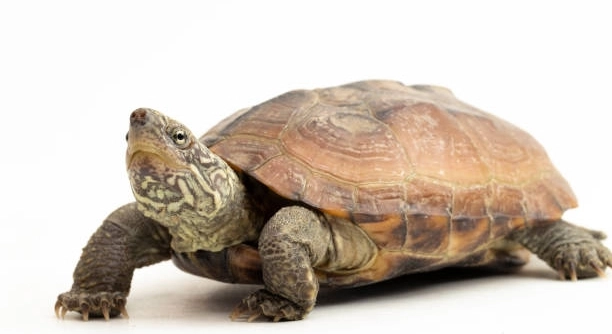
Setting up the right habitat for your musk turtle is key to its health and happiness. A well-planned tank environment ensures your turtle thrives in its new home. With the proper setup, your turtle will enjoy a comfortable and safe space.
To create the perfect musk turtle habitat, focus on providing the right water conditions, temperature, and a safe basking area. A suitable tank size, filtration system, and regular cleaning will also ensure your turtle’s well-being and comfort.
Taking the time to carefully set up this environment can lead to a happy, healthy turtle that thrives for years to come.
Choosing the Right Tank Size for Your Musk Turtle
The first step in setting up your musk turtle’s habitat is choosing an appropriate tank size. A 20-gallon tank is the minimum size for a single musk turtle, but larger is always better. As your turtle grows, it will need more space to swim and explore. A larger tank will also help keep the water cleaner, reducing the amount of maintenance required. Make sure the tank is long enough to provide plenty of swimming space and depth for your turtle to dive and move freely.
It’s important to remember that the size of the tank should accommodate both the turtle’s aquatic and basking needs. A larger tank will allow room for both the water and the land area your turtle needs to dry off.
A well-sized tank will give your musk turtle room to grow, stay healthy, and live comfortably. Make sure to consider your turtle’s future size when choosing the tank to avoid having to upgrade later. Proper tank space is crucial for their well-being.
Setting Up a Filter and Maintaining Water Quality
Maintaining clean water is essential to the health of your musk turtle. Choose a filter that’s rated for a tank size larger than your own to keep the water clear.
A good filtration system will keep harmful waste products and bacteria from building up in the tank. Regular cleaning is still necessary, but a reliable filter will significantly reduce the effort needed. Ensure the filter can handle both the volume of water in the tank and the biological load created by your turtle.
Water quality affects everything from your turtle’s health to its ability to swim and explore. A dirty tank can lead to stress and sickness in your turtle. Be sure to monitor the water’s pH, temperature, and clarity regularly. Adding a reliable filter will help keep the water fresh and your turtle happy.
Providing Proper Heating and Lighting
Musk turtles need a specific temperature range to thrive. A water heater is essential to keep the water warm, usually between 75-80°F. Make sure the heater is sized for the tank to maintain a stable temperature.
In addition to the water heater, provide a basking light to ensure your turtle can regulate its body temperature. The basking spot should be about 90°F. The light should be on for around 10-12 hours a day, mimicking a natural day-night cycle. Without proper heat, your turtle could become sluggish or even sick.
UVB lighting is also essential for your musk turtle’s health. This light helps them produce vitamin D3, which is necessary for calcium absorption. Without it, your turtle could develop shell deformities or other health issues. Make sure the light is positioned correctly to reach the basking area, and replace it every 6-12 months to ensure it remains effective.
Creating a Suitable Basking Area
A basking area allows your musk turtle to dry off and soak up necessary UVB light. You can use a large flat rock, a floating dock, or a platform that sits above the water level.
Ensure the basking area is stable and large enough for your turtle to comfortably rest. It should be placed under the basking light, so your turtle can get the heat it needs. Avoid sharp edges or slippery surfaces that could cause injury.
When setting up the basking area, ensure there’s a safe way for your turtle to get in and out of the water. A gentle slope or ramp will help them climb up easily. Make sure the area is free from hazards like sharp objects or rough surfaces that could injure your turtle’s soft belly.
Choosing the Right Substrate
Choosing the right substrate is important for your turtle’s environment. Gravel or river rock is a good option, as it is easy to clean and provides a natural look. Avoid using small gravel or sand that your turtle could accidentally ingest.
Another good option is a bare-bottom tank, which is easier to maintain and clean. However, it may not be as visually appealing as a substrate. If you prefer a more natural setup, choose larger, smooth stones or slate that won’t pose a risk of ingestion.
Adding Plants and Decorations
Adding plants to the tank creates a more natural habitat. Live plants like Anubias or Java Fern can provide hiding places and help keep the water clean. Avoid using plants that are toxic to turtles, like certain types of ivy.
You can also include driftwood or rocks for decoration. These additions give your turtle places to explore and hide, which reduces stress. Just make sure everything you add is safe, stable, and won’t harm your turtle. Decor should always be placed in a way that provides safety and ease of movement.
FAQ
How often should I clean my musk turtle’s tank?
Regular tank cleaning is essential to keep your turtle healthy. Perform partial water changes once a week, removing 25-30% of the water. Deep cleaning, including cleaning the substrate, decorations, and filter, should be done every month. Keep an eye on water clarity and odor, as they are signs it may need cleaning sooner.
What should I feed my musk turtle?
Musk turtles are omnivores and enjoy a variety of foods. You can feed them commercial turtle pellets, but they should also have fresh vegetables like lettuce, kale, and carrots, along with protein sources like insects, earthworms, or small fish. Avoid overfeeding to prevent obesity. Ensure the food is appropriate for their size.
Do I need to add calcium to my turtle’s diet?
Yes, calcium is vital for your musk turtle’s shell health. You can offer calcium supplements in the form of cuttlebone, calcium powder, or through calcium-rich foods like leafy greens. Ensure that your turtle gets adequate calcium to prevent shell deformities or weakened bones. UVB light also helps with calcium absorption.
Can I keep multiple musk turtles together?
It’s possible to house more than one musk turtle in the same tank, but be cautious. Musk turtles are territorial, and aggression may occur, especially in smaller enclosures. If you do house multiple turtles, make sure the tank is large enough, with plenty of hiding spots and basking areas. Observe them closely for any signs of fighting.
What kind of filtration system do I need for my musk turtle’s tank?
A good filtration system is essential to maintain water quality. Choose a filter that is rated for a tank size larger than your own, as turtles produce a lot of waste. A canister filter or a hang-on-back filter with a strong flow is ideal, ensuring the water remains clear and clean.
What temperature should the water be in my musk turtle’s tank?
The water temperature for musk turtles should be between 75-80°F. You can achieve this using an adjustable aquarium heater. Keep the water stable and monitor it with a thermometer. Too cold or too hot water can cause stress or health issues for your turtle.
How long do musk turtles live?
Musk turtles have a relatively long lifespan, with many living for 20-30 years when properly cared for. Their longevity depends on maintaining proper tank conditions, a balanced diet, and good overall health. Regular vet checkups can help ensure they live a long, happy life.
What is the best basking temperature for a musk turtle?
The basking spot should be around 90°F, allowing your turtle to regulate its body temperature. Use a basking light to heat this area and ensure your turtle has access to it regularly. Having the right basking temperature is crucial for digestion and overall health.
Do musk turtles need UVB lighting?
Yes, UVB lighting is essential for musk turtles to help them produce vitamin D3, which is necessary for calcium absorption. Without UVB, your turtle may suffer from bone issues and weakened shells. Be sure to replace the bulb every 6-12 months, as its effectiveness diminishes over time.
How much space do musk turtles need?
Musk turtles need ample space to swim and bask. For one turtle, a minimum of a 20-gallon tank is required. However, larger tanks are better, as they provide more room for movement, which is essential for your turtle’s physical health. A larger tank also makes maintenance easier.
Can musk turtles drown?
Musk turtles are strong swimmers but can still drown if they are unable to reach the surface to breathe. Make sure the water depth is appropriate for your turtle’s size and that they have a safe, accessible basking area. Always ensure your turtle can easily access air whenever they need it.
How can I tell if my musk turtle is sick?
Signs of illness in musk turtles can include loss of appetite, lethargy, swollen eyes, or a soft shell. If your turtle is acting unusually or has visible signs of injury or infection, it’s best to take them to a reptile veterinarian. Prompt attention can prevent further complications.
What do I do if my musk turtle is not eating?
If your turtle isn’t eating, it could be a sign of stress, poor water quality, or illness. Check the water temperature and cleanliness first. If the conditions are fine, offer a variety of food to stimulate appetite. If the lack of eating continues for more than a few days, consult a vet.
Can I use tap water for my musk turtle’s tank?
Tap water can be used, but it may contain chlorine or chloramine, which can harm your turtle. Always treat tap water with a water conditioner before adding it to the tank. Alternatively, you can use dechlorinated or filtered water to ensure a safe environment for your turtle.
Why is my musk turtle’s shell soft?
A soft shell can be a sign of calcium deficiency, improper lighting, or other health issues. Ensure your turtle has access to UVB lighting and a calcium-rich diet. If the shell remains soft despite these changes, consult a vet, as it may be a sign of metabolic bone disease.
Can I use plastic plants in my musk turtle’s tank?
Plastic plants can be used, but they must be smooth and free from sharp edges to avoid injuring your turtle. Live plants are a better option because they help with water filtration, but plastic plants are still an acceptable alternative if cared for properly.
How do I prevent my musk turtle from escaping?
Musk turtles are skilled climbers, so make sure the tank is secure. Use a lid or cover to prevent escapes, and ensure the basking area is stable and not too close to the edge of the tank. Regularly check for any potential escape routes.
Can musk turtles live in outdoor ponds?
Musk turtles can live in outdoor ponds, provided the pond has the right conditions, such as clean water, a basking area, and plenty of hiding spots. Be mindful of temperature, as musk turtles should not be exposed to extreme weather conditions. Also, ensure the pond is predator-free.
Creating the right habitat for a musk turtle is key to ensuring it stays healthy and happy. The process might seem complex at first, but breaking it down into manageable steps makes it easier. A proper tank size, clean water, and a safe basking area are all important aspects to focus on. If you keep these basic needs in mind, your musk turtle will thrive. It’s essential to remember that musk turtles are active creatures that require a lot of space to swim, climb, and bask. Providing a balanced environment with plenty of room for all of these activities will help them stay healthy in the long run.
In addition to the physical setup, regular maintenance is essential. Clean the tank and water regularly to prevent harmful bacteria from building up. Monitoring water quality, temperature, and lighting will ensure your turtle’s habitat stays in good condition. Paying attention to your turtle’s behavior is also important. If you notice changes, such as loss of appetite or unusual activity, it could be a sign that something in the environment is off. Keeping the tank clean, checking the temperature, and providing the proper lighting will help keep your turtle active and comfortable.
Lastly, don’t forget the long-term commitment that comes with caring for a musk turtle. With proper care, these turtles can live for many years, sometimes up to 30 years. Make sure you’re ready for the responsibility of providing for their needs over the years. Regular vet checkups, attention to their diet, and making adjustments to their habitat as they grow are important factors. It may take some time and effort, but creating a well-maintained, comfortable habitat will allow your musk turtle to live a healthy, fulfilling life.

Hello,
If you enjoy the content that we create, please consider saying a "Thank You!" by leaving a tip.
Every little bit helps us continue crafting quality advice that supports the health, happiness, and well-being of pets around the world, for pets of all shapes, sizes, and species.
We really appreciate the kindness and support that you show us!