
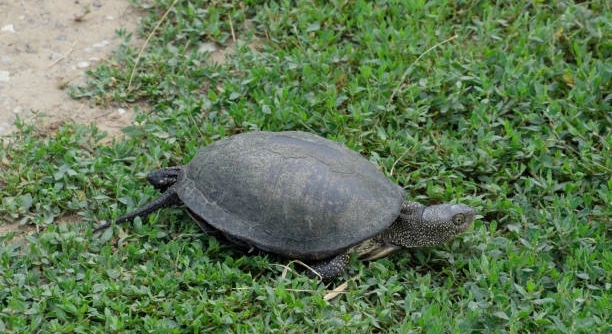
Are your Musk turtles swimming in cloudy water, leaving you wondering how to maintain a pristine aquatic environment for them?
To achieve crystal-clear water in Musk turtle tanks, you must combine proper filtration, regular cleaning, and balanced feeding. Effective water management prevents harmful bacteria, ensuring a healthy and visually appealing habitat for your turtles.
Consistent care, from understanding water quality to using the right equipment, can make all the difference. Let’s explore straightforward tips that simplify maintaining clean and clear water in your turtle’s home.
Choose the Right Filtration System
A good filtration system is essential for keeping your Musk turtle’s tank water clean. It helps remove waste, excess food, and harmful bacteria. External canister filters are highly recommended because they are powerful and efficient at handling the high bio-load of turtles. A filter rated for at least double the tank size is ideal to maintain water clarity and prevent the buildup of toxins that can harm your turtles.
Regularly clean and maintain the filter to keep it running efficiently. Neglecting this step can reduce its effectiveness, leading to murky water and unhealthy conditions.
Consistency is key. By investing in a high-quality filter and performing routine maintenance, you can create a clean and healthy environment your Musk turtles will thrive in.
Maintain a Consistent Cleaning Schedule
Frequent tank cleaning is necessary to control algae and debris buildup.
Remove uneaten food and waste daily, and perform a partial water change every one to two weeks. Changing about 25-30% of the tank water helps maintain stable water conditions and keeps harmful substances in check.
For deeper cleaning, scrub the tank walls and decorations to remove algae. Regular maintenance will make keeping the tank clean more manageable over time.
Control Feeding Habits
Overfeeding can lead to water contamination. Feed your Musk turtles only the amount they can eat in five minutes, and remove any leftovers immediately. Stick to a balanced diet that includes turtle pellets, insects, and occasional leafy greens.
Uneaten food and excessive waste can quickly cause poor water quality. Turtles are messy eaters, so offering food in a separate feeding container can reduce debris in the main tank. This method keeps the water cleaner for longer and minimizes the strain on your filtration system.
Avoid feeding high-fat or oily foods as they break down poorly in water, contributing to cloudiness and odors. Instead, offer nutrient-rich food in moderation, ensuring your turtles stay healthy while keeping the tank environment stable and clean.
Monitor Water Parameters
Keeping a close eye on water parameters ensures a healthy tank environment.
Regularly test the water for ammonia, nitrite, and nitrate levels using aquarium test kits. High levels of these substances can stress turtles and lead to illness, so immediate action may be required.
Aim for a pH level of 6.5–8 and maintain stable water temperature between 75°F and 85°F. Stable parameters prevent the growth of harmful bacteria and algae, promoting clear water and healthy turtles.
Use a UVB Light
UVB lighting helps maintain water quality by controlling algae growth and supporting turtle health. Ensure your turtles get 10–12 hours of UVB exposure daily. Replace UVB bulbs every six months to ensure they remain effective.
Position the light properly to avoid overheating the water. UVB light also helps turtles synthesize vitamin D3, promoting shell and bone health.
Add Live Plants
Live aquatic plants can improve water clarity by absorbing excess nutrients and reducing algae growth. Choose hardy species like anacharis or java fern that thrive in turtle tanks. They also provide hiding spots and a more natural habitat for your turtles.
Avoid Overcrowding
Too many turtles in one tank can overwhelm the filtration system and degrade water quality. Ensure each turtle has ample space to reduce waste buildup and stress.
FAQ
How often should I change the water in my Musk turtle tank?
Change 25–30% of the tank water every one to two weeks. This helps maintain stable water parameters and prevents the buildup of harmful substances. Full water changes are rarely necessary unless there’s a major contamination issue.
What temperature should the water be for Musk turtles?
Keep the water temperature between 75°F and 85°F. Use an aquarium heater to maintain a consistent temperature, as fluctuations can stress your turtles. Monitor the temperature regularly with a reliable thermometer to ensure stability.
Can I use tap water in my turtle tank?
Yes, but treat it with a water conditioner to remove chlorine and heavy metals. Untreated tap water can harm your turtles and disrupt the tank’s balance. Always test the water to ensure it’s safe before adding it to the tank.
What type of filter is best for Musk turtle tanks?
External canister filters are highly effective for turtle tanks due to their strong filtration capabilities. They handle the high waste load efficiently, keeping the water clean and reducing maintenance frequency. Ensure the filter is rated for at least double your tank size.
How do I prevent algae growth in the tank?
Limit the tank’s exposure to direct sunlight and maintain a regular cleaning schedule. Use a UVB light to control algae and consider adding live plants, which absorb nutrients that algae thrive on. Algae scrapers can help remove stubborn patches.
Can Musk turtles live with fish?
Musk turtles can coexist with some fast or non-aggressive fish, like guppies or mollies. However, there’s always a risk the turtles might eat or injure the fish. Monitor their interactions closely and ensure the tank is spacious enough for all inhabitants.
Why does my turtle tank smell bad?
A foul smell usually indicates poor water quality. Overfeeding, uneaten food, or a dirty filter can contribute to odors. Clean the tank regularly, maintain your filter, and avoid overfeeding to prevent bad smells.
Do I need an air pump for my turtle tank?
An air pump isn’t necessary but can help oxygenate the water and improve circulation. Proper filtration typically provides sufficient aeration, but an air pump can be a useful addition for larger tanks or tanks with multiple turtles.
How can I reduce stress for my Musk turtles?
Provide a spacious tank, proper hiding spots, and a stable environment with consistent water quality. Avoid sudden changes in temperature or lighting, and handle your turtles minimally. A stress-free environment keeps your turtles healthy and active.
Final Thoughts
Keeping the water in a Musk turtle tank clean and clear requires consistent care and attention. A reliable filtration system, regular maintenance, and proper feeding habits are essential steps for maintaining a healthy aquatic environment. By monitoring water quality and performing partial water changes, you can prevent harmful buildup and ensure your turtles thrive.
Each turtle tank setup is unique, and it’s important to tailor your approach to meet the specific needs of your turtles. Factors such as tank size, number of turtles, and type of filter can affect the frequency of cleaning and water changes. Observing your tank’s condition and making adjustments as needed will help maintain water clarity and create a stress-free habitat for your turtles.
Clear water not only looks better but also promotes the overall health of your turtles. Consistent effort and a few simple strategies can make a big difference. By staying on top of cleaning schedules and water parameters, you’ll ensure a safe and comfortable home for your Musk turtles, allowing them to live happily and healthily.

Hello,
If you enjoy the content that we create, please consider saying a "Thank You!" by leaving a tip.
Every little bit helps us continue crafting quality advice that supports the health, happiness, and well-being of pets around the world, for pets of all shapes, sizes, and species.
We really appreciate the kindness and support that you show us!