
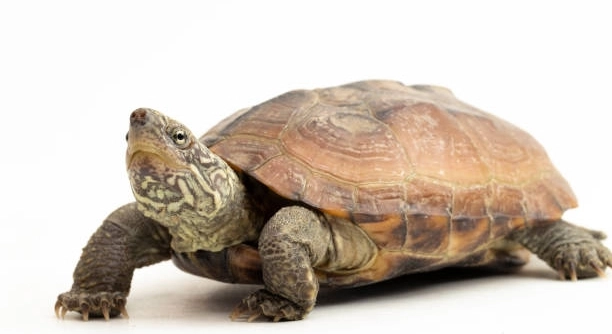
Musk turtles, like many animals, have their own preferences when it comes to their surroundings. Creating a peaceful environment for them is key to their health and well-being. Here are a few tips to consider.
Musk turtles prefer quiet spaces because they are sensitive to stress. Noise and commotion can disrupt their natural behavior and make them feel unsafe, leading to health issues. Quiet environments allow them to thrive and maintain a calm disposition.
In the following sections, we’ll explore simple yet effective ways to create the perfect space for your turtle. From tank setup to environmental adjustments, these tips will ensure your turtle remains happy and healthy in its home.
The Importance of a Quiet Environment
Creating a calm and quiet space for your musk turtle is essential. These turtles are naturally sensitive and can get stressed out by excessive noise or sudden movements. Stress can negatively impact their immune system, making them more vulnerable to diseases. A peaceful environment helps them feel secure, which promotes healthy behaviors such as eating, basking, and swimming. When turtles are calm, they can focus on their normal activities, which is crucial for their overall well-being.
While a quiet environment is vital, it doesn’t have to be completely silent. You can still have some background noise, but make sure it’s not too loud or disruptive. Consider placing the tank in a quiet room away from household traffic or loud sounds. Additionally, using soft lighting instead of bright or flickering lights can help to maintain a calm atmosphere. These small changes can make a big difference in how your turtle feels in its environment.
Establishing a quiet space also helps your turtle develop healthy routines. If the environment is peaceful, they will have fewer distractions and more time to focus on their instincts. Over time, you’ll notice your turtle becoming more active, healthy, and comfortable in their tank. The effort you put into creating this peaceful habitat pays off with a more vibrant and content turtle.
Tank Placement Tips
Choosing the right spot for your turtle tank is crucial. Avoid placing it near high-traffic areas where loud noises can startle your turtle.
Try to place the tank in a low-traffic, quiet area of your home. Keep it away from windows, doors, or places with constant movement. A calm, cozy corner works best. With this setup, your turtle can enjoy peace and thrive.
Lighting Considerations
Turtles prefer softer, more natural light. Avoid placing them under bright, harsh lights for long periods. Bright lighting can create unnecessary stress and disrupt their sleep cycle. Use a gentle light that mimics their natural environment, keeping them comfortable and active.
Invest in aquarium lights that offer UVB rays for basking. These rays help turtles synthesize vitamin D3, which is essential for their health. It also keeps them from feeling stressed out under dim, low-light conditions. Make sure the light is not too close to their basking area, as excessive heat can be uncomfortable.
Having a natural day-night cycle in the tank is also essential. Keep the light on during the day for around 10-12 hours, then allow it to turn off at night. This routine helps turtles establish a healthy sleeping pattern. Be mindful of the temperature and avoid sudden shifts that could disturb their comfort.
Water Temperature Control
Water temperature plays a critical role in your turtle’s comfort. If the water is too cold, your turtle may become sluggish and stressed. If it’s too warm, it may lead to health problems like skin shedding or a weakened immune system.
Keep the water temperature between 72°F and 78°F (22°C to 26°C) for best results. This range mimics the natural environment of musk turtles. Investing in a reliable water heater is essential to maintain this temperature consistently. Make sure to monitor the water regularly to avoid drastic fluctuations.
Remember, water quality and temperature are linked. Stale water can affect temperature control, causing your turtle to experience discomfort. Perform regular water changes and use a good filtration system to maintain a clean and comfortable environment.
Tank Size Matters
Providing an appropriate tank size for your turtle is key. A cramped tank can cause stress and limit their ability to move around. A larger tank gives them more freedom and helps create a more natural environment.
Make sure the tank has enough space for your turtle to swim freely and climb onto basking spots. A minimum of 20 gallons of water for a small turtle is recommended, with more space needed as they grow. This will help reduce stress and improve your turtle’s overall health.
Substrate Choice
Choosing the right substrate is important for your turtle’s comfort. Gravel or smooth sand works best, as it allows them to move around without feeling restricted. Avoid rough or sharp materials that could injure them.
Opt for natural, easy-to-clean substrates that won’t cause harmful build-up. Regular cleaning and water changes will help keep the environment healthy and free of harmful bacteria. Proper substrate management keeps your turtle’s tank in the best condition for long-term health.
FAQ
What should I feed my musk turtle?
Musk turtles are omnivores, which means they eat both plants and animals. A good diet consists of high-quality turtle pellets, supplemented with fresh vegetables, such as leafy greens like romaine lettuce, dandelion greens, and water plants. You can also feed them occasional protein sources like small fish, worms, or insects. Keep in mind that variety is key to ensuring they get a balanced diet. Avoid overfeeding, as this can lead to obesity and other health issues.
How often should I feed my musk turtle?
Young musk turtles need to be fed more frequently than adults. A general guideline is to feed them every day, offering small amounts of food. As they grow older, you can reduce feeding to every other day. This helps mimic their natural feeding habits and prevents overfeeding. Always remove any uneaten food from the tank to maintain water quality.
Can I keep multiple musk turtles together?
Musk turtles can be kept together, but you need to ensure that the tank is large enough to accommodate all of them comfortably. Overcrowding can cause stress and lead to aggression. Additionally, make sure each turtle has its own basking area. If aggression occurs, you may need to separate them.
What type of lighting do musk turtles need?
Musk turtles require both UVA and UVB lighting. UVA light is essential for their overall health and activity, while UVB light helps them produce vitamin D3, which is needed for calcium absorption. It’s important to use a UVB bulb designed specifically for reptiles and replace it every 6-12 months, as these bulbs lose their effectiveness over time.
What temperature should the basking area be?
The basking area should be warmer than the water. A temperature range of 85°F to 90°F (29°C to 32°C) is ideal for musk turtles. You can achieve this by using a heat lamp placed over the basking area. This will allow the turtles to regulate their body temperature effectively.
How do I keep the water clean for my musk turtle?
Maintaining clean water is vital for your turtle’s health. Use a good filtration system that can handle the size of your tank. Regular water changes are necessary, typically around 25-50% of the water every week. Test the water for ammonia, nitrite, and nitrate levels regularly to ensure the water quality is safe.
How big do musk turtles get?
Musk turtles are generally small, with adults reaching sizes between 4 to 5 inches (10 to 12 cm) in length. However, some species of musk turtles may grow slightly larger. Ensure that their tank size increases as they grow, allowing enough space for swimming and basking.
Do musk turtles need a swimming area?
Yes, musk turtles are aquatic and need a swimming area in their tank. They enjoy swimming and diving, so it’s important to provide enough depth and space for them to move freely. The water should be deep enough for them to submerge fully while allowing easy access to the basking area.
Can musk turtles live without a filter?
While it’s technically possible to keep a musk turtle without a filter, it’s not recommended. Filters help maintain clean water by removing waste, excess food, and toxins. Without a filter, you would need to perform frequent water changes to keep the tank clean, which can be time-consuming and difficult.
How do I prevent my musk turtle from getting stressed?
To prevent stress, make sure the environment is quiet and peaceful. Keep the tank in a low-traffic area where loud noises won’t disturb them. Ensure that the tank has proper lighting, temperature control, and plenty of space. Stress can lead to poor health and decreased activity, so it’s essential to maintain a stable environment.
Do musk turtles hibernate?
Musk turtles don’t typically hibernate, but they do go into a state of brumation when temperatures drop. This is a period of reduced activity where their metabolism slows down. If you live in a colder climate, make sure the water and basking areas are kept at the proper temperatures to avoid brumation unless it is necessary for the species.
Final Thoughts
Creating a comfortable and healthy environment for your musk turtle is essential to ensure their well-being. From providing a quiet space to maintaining the right water temperature, every small detail plays a significant role in their daily life. By taking the time to set up a proper habitat, you can help your turtle thrive and enjoy a long, healthy life. A peaceful and well-organized tank allows them to express their natural behaviors, which is not only beneficial for their health but also rewarding for you as their caretaker.
Consistency is key when it comes to caring for a musk turtle. Regular cleaning, feeding, and monitoring of their tank conditions help to prevent stress and health issues. By sticking to a routine, your turtle will feel more secure and adapt to its surroundings more easily. Small adjustments, such as adding the right lighting or ensuring a good diet, can have a big impact over time. Always observe your turtle for any changes in behavior, as this could be a sign that something in their environment needs to be improved.
Taking care of a musk turtle is a rewarding experience that requires attention to detail and dedication. As you continue to care for your turtle, you’ll learn more about their unique personality and preferences. The bond you build through consistent care helps ensure your turtle lives a happy and stress-free life. While it may take some effort to set up and maintain their ideal environment, the result is a healthy, active turtle that thrives in its home. Providing the best care shows in their behavior, and watching them flourish is a joy that makes it all worthwhile.

Hello,
If you enjoy the content that we create, please consider saying a "Thank You!" by leaving a tip.
Every little bit helps us continue crafting quality advice that supports the health, happiness, and well-being of pets around the world, for pets of all shapes, sizes, and species.
We really appreciate the kindness and support that you show us!