
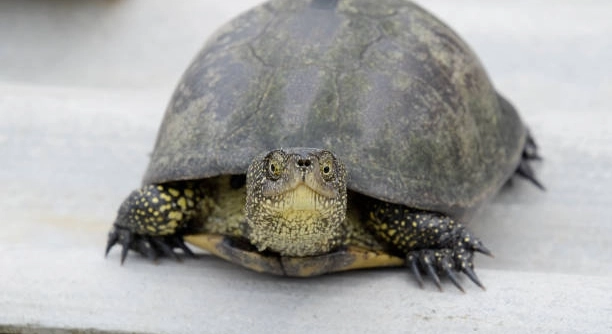
Do you ever find yourself unsure about the best way to maintain your musk turtle’s tank? Proper water care is essential for your turtle’s health and happiness. Let’s break it down step by step.
You should change your musk turtle’s water at least once a week. Partial water changes of 25-30% every few days help maintain water quality, while a full change is necessary to prevent harmful bacteria buildup and odors.
Caring for your musk turtle’s water doesn’t have to be overwhelming. With the right approach and a few simple tips, you’ll ensure a clean and safe environment for your shelled friend.
Why Clean Water Is Essential for Musk Turtles
Musk turtles rely on clean water to stay healthy and active. Dirty water can lead to skin infections, shell problems, and even respiratory issues. Additionally, poor water quality may cause a decline in appetite or energy levels. Regular water changes help maintain a stable environment by reducing harmful toxins like ammonia and nitrites. Clean water not only supports your turtle’s health but also prevents unpleasant odors in your home. Ensuring that your musk turtle’s tank is well-maintained is a crucial part of responsible care, helping your pet thrive in its aquatic habitat.
Changing the water regularly keeps your musk turtle safe and comfortable. A clean environment reduces stress and supports their immune system, allowing them to live a long, healthy life.
Consistent care and attention to water quality will make maintaining your musk turtle’s tank a manageable and rewarding part of your routine.
How to Change Musk Turtle Tank Water
Start by preparing dechlorinated water for the tank. Remove 25-30% of the water every few days to keep ammonia levels low. A complete water change once a week is essential to remove debris and refresh the habitat.
When performing a full water change, ensure the new water is at the same temperature as the tank. Sudden temperature changes can stress your turtle. Use a siphon or bucket to remove water, clean the tank walls with a soft brush, and rinse decorations or filters. Avoid using harsh chemicals or soaps, as they can harm your turtle.
After refilling the tank, test the water’s pH and ammonia levels to ensure a balanced environment. Adding a water conditioner can help neutralize any remaining chlorine. Following these steps will ensure your musk turtle enjoys a clean and healthy home.
Best Water Parameters for Musk Turtles
Maintaining proper water parameters is crucial for your musk turtle’s health. Aim for a water temperature between 75-80°F and a pH level of 6.5-7.5. Stable conditions help prevent stress and encourage normal behavior.
Ammonia, nitrite, and nitrate levels should be carefully monitored using a water testing kit. Ammonia and nitrite should always read zero, while nitrate levels should stay below 20 ppm. High levels of these toxins can harm your turtle and lead to serious health problems. Keeping a filtration system in the tank will help regulate these levels and maintain a balanced environment.
Water hardness is another important factor. Musk turtles prefer soft to moderately hard water, with a range of 50-150 ppm. Adjusting these parameters can be done through water conditioners, making it easy to create a safe and comfortable home.
Common Mistakes to Avoid
Overfeeding your musk turtle can lead to water quality issues. Uneaten food breaks down and produces toxins, which can quickly harm the tank environment. Feed only what your turtle can eat in a few minutes to prevent excess waste.
Another mistake is neglecting to clean or replace the tank’s filter regularly. A dirty filter cannot properly remove toxins, leading to poor water quality and an unhealthy habitat. Check your filter weekly and clean it according to the manufacturer’s instructions. Regular maintenance helps the filter function efficiently and keeps the water safe for your turtle.
Signs Your Musk Turtle Needs a Water Change
If your musk turtle starts avoiding the water or acts lethargic, it could be a sign that the water needs changing. Cloudy or smelly water is another clear indicator. These changes in behavior suggest that toxins are building up, making the water unsafe.
Inconsistent water temperatures or excessive algae growth also point to the need for a change. Regular monitoring of water quality will help you stay ahead of these issues, ensuring your turtle’s home remains clean and comfortable.
Best Filter for Musk Turtle Tanks
A high-quality filter is essential for maintaining clean water. Canister filters are often preferred for their ability to handle larger volumes of water and more waste. They are efficient and help keep the tank environment stable, reducing the frequency of full water changes.
Look for a filter rated for the size of your tank. Filters with a biological, mechanical, and chemical filtration system are ideal, as they work together to remove waste, debris, and harmful substances from the water. Make sure to clean the filter regularly to keep it functioning properly.
How to Prevent Algae Growth
Algae growth in your musk turtle’s tank is common but manageable. To reduce algae, limit light exposure by keeping the tank in a shaded area or using a timer for artificial lighting. Too much light encourages algae to bloom.
Use a good filtration system that will help reduce nutrients in the water that promote algae growth. Regular water changes and keeping the tank clean are key steps in preventing algae buildup.
FAQ
How often should I change my musk turtle’s water?
You should change your musk turtle’s water at least once a week. A partial water change of about 25-30% every few days is also beneficial for maintaining optimal water quality. Full water changes ensure that harmful bacteria and toxins are removed, keeping the environment healthy. Regular maintenance prevents water from becoming too polluted and reduces the risk of illness.
Can I use tap water for my musk turtle’s tank?
Tap water can be used, but it’s important to treat it first. Most tap water contains chlorine or chloramine, which can be harmful to your turtle. Use a water conditioner to neutralize these chemicals. Additionally, check the hardness and pH of your tap water to ensure it’s within the acceptable range for musk turtles.
What should the water temperature be for my musk turtle?
The ideal water temperature for a musk turtle is between 75-80°F (24-27°C). Keeping the water in this range helps your turtle stay active and healthy. Fluctuations in temperature can cause stress, so it’s important to use a reliable aquarium heater and thermometer to maintain consistent conditions.
How do I know if the water is clean enough for my musk turtle?
You can tell if the water is clean by observing your turtle’s behavior. If it’s swimming and eating normally, the water is likely safe. Cloudy or smelly water is a sign that it needs a change. Test the water for ammonia, nitrites, and nitrates to ensure they are at safe levels (0 ppm for ammonia and nitrites, below 20 ppm for nitrates).
Should I use a filter in my musk turtle’s tank?
Yes, using a filter is highly recommended. A good filter will help remove waste, debris, and toxins from the water. It will reduce the need for frequent water changes and keep the water clean for your turtle. Choose a filter designed for turtle tanks, as they need to handle higher waste loads than fish tanks.
How do I keep the water clear and free from algae?
To prevent algae growth, reduce light exposure in the tank. Place the tank in a location with limited direct sunlight, or use a timer to control artificial lighting. Additionally, use a quality filter and remove any visible algae manually. Regular water changes help keep nutrient levels low, reducing algae growth.
How can I clean my turtle’s tank without harming it?
When cleaning your turtle’s tank, avoid using harsh chemicals or soaps. Instead, rinse decorations, rocks, and the tank walls with warm water and a soft brush. If necessary, use a diluted vinegar solution to remove stubborn stains. Always rinse thoroughly to ensure no cleaning residues are left behind.
Is it okay to have live plants in my turtle’s tank?
Live plants can be a great addition to your turtle’s tank, as they help improve water quality by absorbing excess nutrients. However, musk turtles tend to nibble on plants, so choose sturdy species that can handle some chewing. Avoid delicate plants, as they may be eaten quickly.
What should I do if my turtle is avoiding the water?
If your turtle is avoiding the water, it may be a sign that the water quality is poor, or the temperature is off. Check the water parameters, including pH, temperature, and ammonia levels, to make sure they are within the safe range. If everything is in order, your turtle may just be stressed, so give it some time to adjust.
Can I add other animals to my musk turtle’s tank?
Musk turtles can sometimes coexist with other aquatic animals, but you need to be cautious. Avoid keeping them with small fish, as they may become prey. Other aquatic reptiles or amphibians may work, but always monitor interactions to ensure there is no aggression. It’s best to research the specific species you want to add before making a decision.
How do I prevent my musk turtle’s tank from smelling bad?
A smelly tank usually means the water quality is poor. Regular water changes and proper filtration will reduce odors. Make sure to clean the tank and remove any uneaten food or waste. Overfeeding is a common cause of foul smells, so feed your turtle only what it can eat in 5-10 minutes.
Why is my turtle’s shell soft or discolored?
A soft or discolored shell can be a sign of poor water quality, inadequate UVB light, or a calcium deficiency. Ensure the water is clean, and your turtle has access to proper lighting, including UVB light to help with calcium absorption. Consider adding a calcium supplement to its diet if needed.
Do I need to clean the filter in my turtle’s tank?
Yes, cleaning the filter is necessary to keep it functioning properly. It should be cleaned every 2-4 weeks, depending on the type of filter and tank size. Follow the manufacturer’s instructions for cleaning and replacing any filter media. Regular maintenance ensures that the filter continues to remove waste and toxins effectively.
How do I prevent my turtle from getting sick?
Maintaining clean water and a healthy environment is key to preventing illness. Regular water changes, proper filtration, and maintaining correct water temperature and pH are essential. Feed your turtle a balanced diet and provide UVB light to support its immune system. Regular observation of your turtle’s behavior will also help catch any health issues early.
Taking care of your musk turtle’s water is essential for its overall health and well-being. Regular water changes, along with maintaining the proper temperature and filtration, help ensure that your turtle remains active and happy. By keeping the tank clean and free of harmful toxins, you create a safe space for your turtle to thrive. Over time, this becomes a manageable part of your routine, and your turtle will benefit from a stable, healthy environment.
Avoiding common mistakes, like overfeeding or neglecting filter maintenance, is also key to preventing water quality issues. Keeping the water clean and clear not only improves your turtle’s quality of life but also reduces the chances of illness. If your turtle starts showing signs of distress or lethargy, it may be a signal that the water needs attention. Regularly testing the water helps you catch any potential issues early, before they become serious problems.
With just a few simple steps, you can create the perfect home for your musk turtle. Whether you’re new to turtle care or experienced, maintaining water quality is always an important priority. By keeping your turtle’s tank clean and healthy, you ensure that it lives a long, comfortable life. It’s not only about providing a safe environment but also about enjoying the bond you have with your pet as you watch it grow and thrive.

Hello,
If you enjoy the content that we create, please consider saying a "Thank You!" by leaving a tip.
Every little bit helps us continue crafting quality advice that supports the health, happiness, and well-being of pets around the world, for pets of all shapes, sizes, and species.
We really appreciate the kindness and support that you show us!